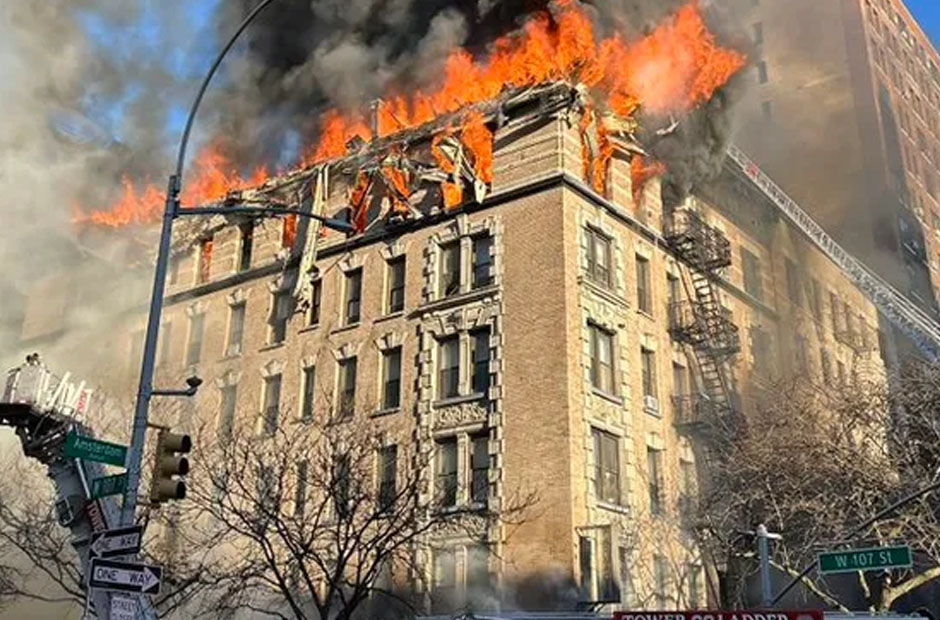
The First Bill Often Arrives Before the Fire Truck Leaves
An apartment fire does not politely wait for the monthly budget cycle. It barges in, grabs the wallet, sets the calendar on fire, and leaves everyone wondering where they are supposed to sleep that night.
Unexpectedly, urgent expenses are common. Residents may need toothbrushes, clean socks, phone chargers, prescriptions, and lodging. Before they all disappear, none of these seem dramatic. Replace a clothing, buy meals without a kitchen, and pay for transportation can empty savings in days.
Families face an even more complicated scramble. Parents may need school supplies, childcare, baby formula, or a way to transport children across town. Pets may require temporary boarding. People who work remotely may lose computers, internet equipment, and the quiet corner where their entire paycheck normally happens.
The fire itself may last minutes. The financial aftershock can continue for months.
A Fire Can Turn a Home Into a Question Mark
After firefighters leave, residents may not know whether they can enter their apartments. The building could be structurally unsafe, contaminated by soot, soaked by firefighting water, or filled with odors that make every breath feel like an argument with a chimney.
Even with walls, the apartment may be unlivable. Electrical systems can be hazardous. Floors may weaken. Windows may fail. Plumbing may fail. Mold can grow after water damage, slowing down the repairs and making wet spots unpleasant.
Residents should avoid treating the property like a treasure hunt. Entering too soon can expose people to unstable structures, toxic residue, exposed wires, and sharp debris. The missing laptop is frustrating. A preventable injury during an unauthorized return is much worse.
Access should be coordinated with building management, emergency officials, or qualified professionals. A hard hat and optimism do not transform a dangerous apartment into a safe one.
The Same Item May Have Several Different Values
Replacing belongings after a fire is not as simple as checking the original receipt and typing the number into a calculator.
Current replacement prices exist for some property. The value of some has declined. Sometimes sentimental goods are too important for an insurance spreadsheet. Family letters, wedding albums, homemade quilts, and children’s first drawings may have minimal economic value but great sentiment.
Specialty possessions create additional complications. Jewelry, musical instruments, collectibles, computers, business equipment, and artwork may require separate documentation or coverage limits. A tenant may discover that the antique camera inherited from a grandparent has a very different insurance treatment from a mass-produced television.
Descriptions should be detailed. “Kitchen stuff” is not especially helpful when the kitchen contained cookware, small appliances, knives, dishes, and a coffee machine with the emotional importance of a household member. Lists, photographs, purchase records, warranties, and digital receipts can make the inventory process more accurate.
When memories are foggy, residents can review old photographs, online orders, bank statements, and messages with family members. A vacation photo may quietly reveal the television, sofa, bookshelf, and lamp that nobody remembered writing down.
Water Can Join the Guest List
Fire damage gets the headlines, but water damage often sneaks in wearing a firefighter’s helmet.
Sprinklers, hoses, burst pipes, and rain entering through damaged roofs can affect apartments far from the original flames. Water may ruin flooring, drywall, insulation, furniture, electronics, and personal property. It can also migrate into neighboring units, turning one emergency into a building wide puzzle involving several families.
Residents should not assume that items untouched by fire are automatically safe. Wet upholstery can develop mold. Electronics can short out. Documents can fuse together like they are trying to become one extremely inconvenient book.
Photographs and videos should capture water damage as well as burns and smoke residue. Receipts for drying, cleaning, storage, transportation, and temporary lodging should be preserved. The boring paperwork may later become the most useful character in the story.
Lost Income Is a Hidden Part of the Damage
A resident recovering from burns, smoke exposure, or emotional trauma may be unable to work. Others may lose wages because they need to attend medical appointments, care for children, communicate with investigators, or search for replacement housing.
The workplace itself may also be affected. Someone who runs a business from home could lose inventory, tools, records, or equipment. A student may lose a computer, textbooks, and school materials just before an important deadline. Missing work can create late fees, missed payments, and a chain reaction that makes the original fire feel like it keeps sending unpleasant little postcards.
Keeping a timeline can help show how the fire affected daily life. Dates of missed shifts, medical visits, relocation, property inspections, and communications with management may all matter. Pay stubs, employer records, school notices, and business receipts can help document the broader consequences.
Responsibility Can Be Shared and Complicated
Determining who may be responsible for an apartment fire is rarely as simple as pointing at the nearest burnt outlet.
Possible contributing factors may include defective products, poor electrical work, ignored repair requests, missing safety equipment, code violations, unsafe renovations, or conduct by another resident. In some situations, more than one party may have played a role.
Some buildings’ histories are significant. Previous complaints, maintenance tickets, inspection records, repair invoices, and management correspondence may show if a hazard was neglected. A flickering hallway light that went unnoticed for six months may become more important after a fire.
Residents should preserve messages, emails, letters, photographs, and written repair requests. Casual conversations can matter too, especially if multiple tenants reported the same issue. Memories are useful, but written records tend to be less slippery.
A fire accident lawyer may help evaluate injury claims, property losses, relocation costs, lost earnings, and potential responsibility. The right legal path depends on the facts, the evidence, and applicable deadlines.
Health Problems May Hide Behind a Brave Face
People focus on obvious burns but ignore later symptoms. Smoking can induce throat irritation, headaches, disorientation, exhaustion, coughing, breathing issues, and chest pain. Carbon monoxide exposure can happen without a smell or warning, making it dangerous.
Children, older adults, pregnant people, and those with asthma or other medical conditions may face additional concerns. Stress can also make it difficult to distinguish ordinary exhaustion from a developing medical problem.
Medical records should detail the fire, symptom chronology, and post-exposure changes. Delaying treatment increases health risks and makes it harder to link symptoms. Professional evaluation is better than guessing because the body is not a filing cabinet.
Emotional injuries deserve similar attention. A survivor may feel fine on Tuesday and panic at the smell of toasted bread on Wednesday. Sleep disturbances, jumpiness, fear of elevators, and discomfort around apartment buildings can affect work, relationships, and ordinary routines.
Communication With Management Requires Care
After a fire, residents may receive requests for statements, forms, access, inspections, or agreements. Some paperwork may be routine. Some documents may affect important rights or financial recovery.
Residents should read everything carefully and keep copies of what they sign. They should avoid guessing about the fire’s cause or making confident statements about facts they did not personally observe. “I think the toaster did it because it looked suspicious” is not the same as firsthand evidence.
Communication should remain factual and organized. Dates, names, promises, repair updates, and payment discussions should be recorded. If a representative asks for a recorded statement or presents a release, legal advice can help explain what the document may mean before it is signed.
Recovery Often Involves More Than One Claim
A tenant may be dealing with several separate financial channels at once. Renters insurance, health insurance, disability benefits, employer assistance, public relief programs, and potential legal claims can overlap in confusing ways.
Each system may request different forms of proof. One may ask for receipts. Another may ask for medical records. A third may want information about temporary housing. Repeating the same story to multiple organizations can feel like being trapped in an administrative version of Groundhog Day.
A central recovery file helps. Leases, insurance policies, claim numbers, pictures, medical records, invoices, letters, inspection reports, income data, and unresolved issues may be included. Digital copies should be stored separately from damaged property.
FAQ
What should a tenant do immediately after an apartment fire?
Safety comes first. Follow instructions from emergency personnel and do not reenter the apartment until officials or qualified professionals say it is safe. Once possible, notify the insurance company, contact the landlord in writing, document available damage, and keep receipts for necessary expenses.
Can a tenant be responsible for an apartment fire?
Possibly, depending on the facts and applicable law. Responsibility may involve negligence, unsafe conduct, a defective product, building conditions, or several contributing causes. An investigation and supporting evidence are usually necessary before responsibility can be determined.
Does renters insurance pay for a hotel after a fire?
Many renters insurance policies include loss of use or additional living expense coverage, but limits, exclusions, deductibles, and documentation requirements vary. Policyholders should review the applicable terms and keep records of temporary housing and related costs.
What if the landlord says the tenant caused the fire?
A statement from a landlord does not automatically establish liability. Tenants should avoid arguing about the cause without evidence, preserve communications, and obtain copies of relevant inspection or investigation records when available. Legal advice may be useful if injuries, major losses, or disputed responsibility are involved.
Should damaged belongings be thrown away?
Not immediately, unless they create a health or safety hazard. Photograph and list damaged items first, then ask the insurer or a qualified remediation professional about inspection and disposal procedures. Some evidence may be important for evaluating a claim.
How long can apartment fire injuries last?
The duration varies widely. Burns, respiratory problems, neurological symptoms, and emotional trauma may require treatment for weeks, months, or longer. Some symptoms may emerge gradually, so follow-up medical care should not be ignored simply because the skin appears to be healing.
What evidence can help after an apartment fire?
Useful evidence may include photographs, videos, repair requests, maintenance records, leases, insurance documents, medical records, wage information, receipts, witness contact details, official reports, and messages with property management. A clear timeline can connect the fire to later expenses and disruptions.