Dental discomfort can range from mild annoyance to severe agony that disrupts daily functions. Recognizing whether an oral health issue requires immediate professional intervention or can wait for a standard appointment is essential. Postponing necessary treatment during an acute condition risks permanent damage to teeth, gums, and supporting jawbone structures.
Understanding key symptoms helps patients make informed decisions about seeking immediate care. Identifying critical warning signs early protects overall health and prevents minor complications from developing into complex systemic infections.
Severe Pain and Structural Trauma
Sudden physical damage or intense internal throbbing usually signals an urgent crisis within the tooth root or surrounding nervous tissue.
Severe, Constant Tooth Pain
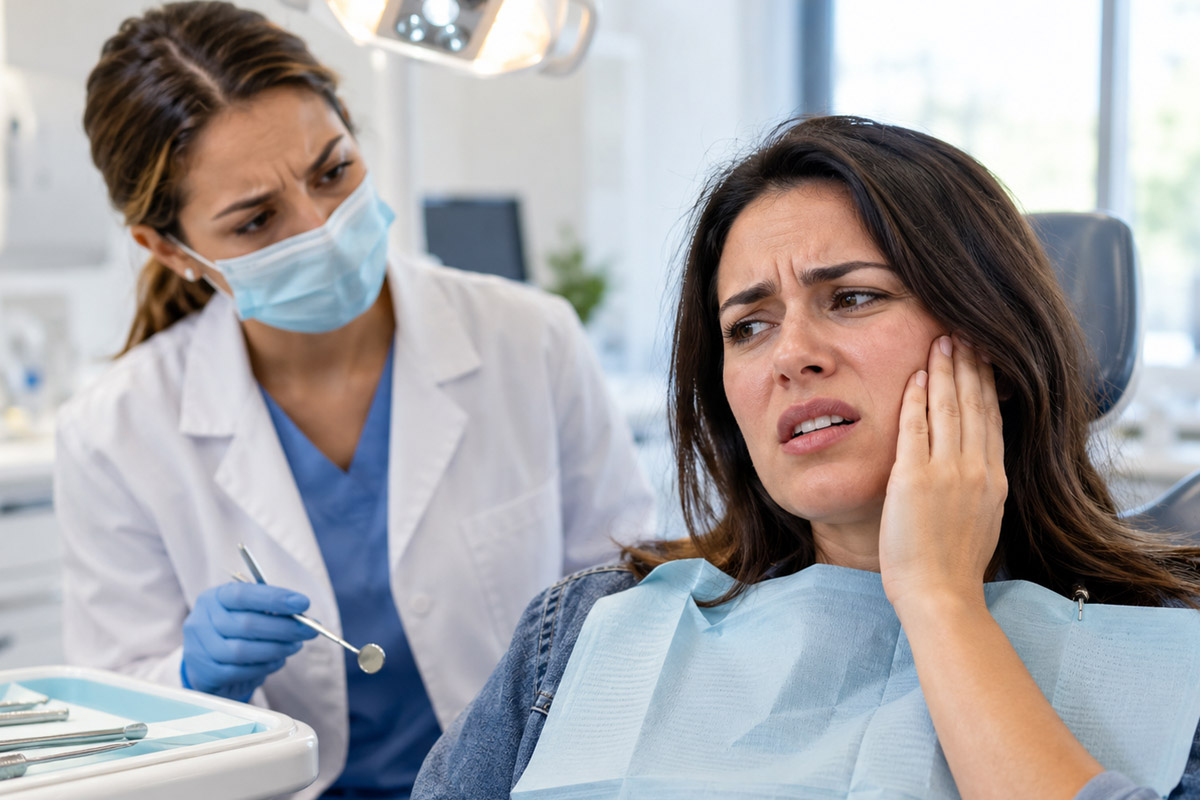
Persistent, severe throbbing in a tooth indicates deep decay, nerve exposure, or advanced internal inflammation. Pain that interferes with sleep, radiates toward the ear or neck, or worsens when lying down requires immediate evaluation. Leaving root canals or infected pulp untreated can lead to complete tooth loss.
Knocked-Out or Dislodged Tooth
A tooth completely dislodged from its socket due to blunt trauma constitutes a time-sensitive medical priority. Replantation success drops significantly after sixty minutes outside the mouth. Gently rinse the tooth without touching the root, attempt to reinsert it into the socket, or store it in cold milk while traveling immediately to a clinic.
Fractured or Cracked Teeth
Deep cracks extending beneath the gumline expose delicate inner pulp tissues to harmful oral bacteria. Sharp pain when biting, visible jagged edges, or broken pieces accompanying soft tissue bleeding warrant immediate restorative intervention to preserve structural integrity.
Infections, Swelling, and Soft Tissue Red Flags
Infections originating inside the mouth can quickly migrate to surrounding tissues, creating hazardous health situations that demand immediate intervention.
Facial or Jaw Swelling
Visible swelling along the cheek, jawline, or neck points to an advancing bacterial infection. Fluid accumulation can obstruct airway passages or spread toward cranial structures if ignored. Prompt antibiotic therapy or surgical drainage prevents dangerous systemic progression.
Abscesses or Pus Drainage
A small bump on the gums resembling a pimple often indicates an abscessed tooth pocket filled with pus. This localized infection causes foul tastes, bad breath, and sharp pressure pain. If a complex surgical extraction or deep tissue debridement becomes necessary, consulting an oral surgeon in Richmond, Indiana ensures proper treatment of severe bone involvement.
Uncontrolled Bleeding from Gums or Mouth
While minor bleeding during flossing signals early gingivitis, heavy bleeding following an impact or surgical procedure is abnormal. Continuous bleeding that does not stop after applying firm pressure with clean gauze for twenty minutes requires immediate emergency attention.
Unexplained Numbness and Hardware Failures
Loss of sensation or broken structural appliances can compromise oral health and cause severe soft tissue injury.
Sudden Numbness in the Jaw or Teeth
Losing sensation in the lower jaw, lip, or tongue without local anesthesia suggests deep nerve compression or severe infection surrounding tooth roots. Nerve trauma demands urgent diagnostic imaging to isolate causes and prevent permanent sensory loss.
Loose Permanent Teeth in Adults
Adult teeth should remain firmly rooted in jawbone tissue. Movement or wobbling indicates advanced periodontal bone degradation, physical trauma, or severe root fracture. Early stabilizing splints can often save loose teeth before total detachment occurs.
Damaged Restorations with Exposed Sharp Edges
Broken crowns, missing large fillings, or fractured bridge work expose sensitive inner dentin. Sharp porcelain or metal edges can cut the tongue, cheeks, and gums, creating open wounds susceptible to secondary infection.
How to Handle Common Emergency Situations
Taking proper initial steps at home before reaching a clinical office minimizes tissue damage and controls discomfort.
Managing Soft Tissue Wounds
For cuts to the lips or inner cheeks, rinse the mouth with warm salt water. Apply direct, gentle pressure using clean cotton pads to control bleeding, and place a cold compress on the outside face to reduce localized swelling.
Preserving Dislodged Tooth Structures
Keep knocked-out teeth moist at all times. Avoid wiping or scrubbing the root surface, as delicate periodontal ligament cells must remain intact for reattachment. If milk is unavailable, keep the tooth tucked inside the cheek pouch.
Temporary Relief Measures for Severe Pain
Over-the-counter pain relievers can alleviate discomfort temporarily, but never apply aspirin tablets directly against aching gums. Direct contact causes chemical burns on soft tissue surfaces without relieving internal root pain.
Triage Guide: Emergency vs. Standard Dental Needs
| Symptom / Condition | Urgency Level | Immediate Action Required |
| Knocked-out tooth | Immediate Emergency | Reinsert or place in milk; visit clinic < 60 mins |
| Facial swelling & fever | Immediate Emergency | Seek urgent care or emergency room evaluation |
| Severe throbbing pain | Same-Day Emergency | Schedule urgent appointment; use cold compress |
| Chipped tooth (no pain) | Non-Emergency | Call for regular appointment within a few days |
| Mild temperature sensitivity | Non-Emergency | Monitor symptoms; schedule routine checkup |
Distinguishing between minor dental issues and genuine emergencies protects long-term health. Promptly addressing severe pain, swelling, structural trauma, or infections preserves natural teeth and prevents complications across surrounding body systems.