In Asheville, a strong eye health plan can help you stay ready for everyday moments, from reading at home to enjoying the Blue Ridge scenery. Glaucoma often develops without obvious early changes in vision, so planning ahead matters. Understanding the risk factors for glaucoma explained can give you a useful starting point for conversations about your personal eye health.
A glaucoma-smart plan does not require guessing or waiting for a problem to become noticeable. It focuses on knowing your history, attending recommended comprehensive eye exams, protecting your eyes from injury, and seeking prompt care for sudden symptoms.
Why Eye Health Planning Matters
Clear sight is reassuring, but it does not always confirm that the optic nerve is healthy. Many people with common forms of glaucoma have no early symptoms, which makes regular eye care especially important. A plan gives Asheville residents a practical way to track risks and avoid relying only on how their vision feels.
Early detection is the central goal. When glaucoma is identified and monitored early, treatment can help slow or prevent additional vision loss. People who need individualized testing, monitoring, or next-step guidance can discuss glaucoma care and treatment in Asheville with an eye care professional.
What Glaucoma Can Do to Vision
Glaucoma is a group of eye diseases that damages the optic nerve, the connection that carries visual information from the eye to the brain. The optic nerve damage associated with glaucoma can lead to permanent vision loss if it is not addressed.
Open-angle glaucoma, the most common type in the United States, often progresses gradually. Peripheral vision may be affected before central vision, so a person may not notice a change right away. Other forms, including angle-closure glaucoma, can develop much more suddenly and require urgent evaluation.
Know Your Personal Risk
One risk factor does not mean you will develop glaucoma. It does mean routine exams and a complete health history become more important. Discuss these details with your eye care professional:
- Your age and any recent vision changes.
- A parent, sibling, or other close relative with glaucoma.
- Diabetes, blood pressure concerns, or other long-term health conditions.
- Nearsightedness, prior eye surgery, or an eye injury.
- Current or past use of steroid medicines.
- Race and ethnicity, which can affect glaucoma risk patterns.
Build a Screening Schedule
The right exam schedule depends on age, family history, medical conditions, and previous eye findings. People at higher risk should follow the return schedule recommended by their clinician instead of waiting for symptoms. The comprehensive dilated eye exams recommended for higher-risk adults can help identify glaucoma and other eye diseases before noticeable vision loss occurs.
Regular visits also create a comparison record. Eye pressure readings, optic nerve appearance, imaging results, and visual field testing can be reviewed over time, helping an eye care professional recognize meaningful changes.
Prepare for a Comprehensive Eye Exam
A little preparation can make an appointment more productive. Bring or write down the following:
- All prescription medicines, over-the-counter products, and supplements.
- Any known family history of glaucoma.
- Past eye injuries, surgeries, and steroid use.
- Changes such as blurred areas, trouble seeing to the side, or difficulty with glare.
- Questions about eye pressure, imaging, visual field tests, and your next appointment.
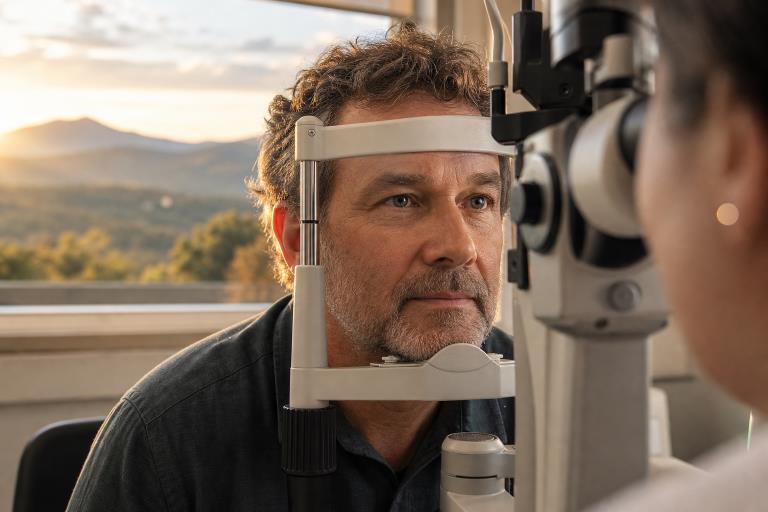
A glaucoma evaluation may involve more than a vision chart. Dilating drops, pressure testing, optic nerve assessment, imaging, and peripheral vision testing may all be part of a comprehensive evaluation.
Daily Habits That Support Eye Health
Healthy routines cannot replace eye exams, but they support overall health that matters to the eyes. Aim for physical activity appropriate for your abilities, balanced meals, blood pressure, and diabetes management with qualified medical guidance, and avoidance of smoking. Wear protective eyewear for home projects, sports, yard work, and jobs where debris or impact could injure an eye.
Medications, Injuries, and Eye Pressure
Always tell your eye care professional about steroid use, including pills, inhalers, creams used near the eyes, injections, and eye drops when relevant. Steroids can affect eye pressure in some people. Do not stop a prescribed medicine on your own, but ask the prescribing clinician and eye care professional whether monitoring is appropriate.
An old eye injury can remain relevant years later. After a serious eye injury, prompt evaluation is important even if vision seems to recover.
Warning Signs That Need Fast Care
Routine follow-up is appropriate for gradual concerns, but sudden or severe symptoms need faster attention. Seek urgent medical care for intense eye pain, a red eye with blurred vision, halos around lights, severe headache with nausea and visual changes, or sudden loss of part of your visual field. These symptoms can occur with acute angle-closure glaucoma and other serious eye conditions.
Questions to Ask an Eye Care Professional
- Am I at higher-than-average risk for glaucoma?
- How often should I have a comprehensive eye exam?
- What do my eye pressure measurements mean for me?
- Do I need optic nerve imaging or visual field testing?
- Could any of my medicines affect eye pressure?
- Which symptoms should prompt urgent care?
- Should close family members be checked earlier or more often?
A Simple Action Plan
Check whether your eye exam is due.
Gather family history and medication information.
Share prior injuries, surgeries, and health conditions at your visit.
Choose one eye-protective habit to strengthen this month.
Use safety eyewear during higher-risk activities.
Complete follow-up testing when advised.
Encourage close relatives to share their glaucoma history and schedule appropriate care.
Conclusion
A glaucoma-smart eye health plan for Asheville, NC, is built on awareness and consistency. You cannot control every risk factor, but you can keep your history current, protect your eyes, attend recommended exams, take prescribed treatment as directed, and respond quickly to unusual symptoms. Those practical steps can help support informed vision care in 2026 and beyond.