Key Takeaways
- Design the outdoor space around everyday activities, such as dining, relaxing, gardening, entertaining, and playing.
- Study sunlight, shade, slopes, soil, drainage, and existing features before choosing a layout.
- Address water management and grading issues before installing patios, paths, walls, or planting beds.
- Choose durable, site-appropriate materials based on climate, foot traffic, drainage, and maintenance needs.
- Select plants based on mature size, sunlight, soil, and moisture requirements to ensure year-round interest.
- Add shade, comfortable seating, and practical lighting to make the yard usable in different seasons.
- Plan construction in the right order: budget, layout, drainage, and major structures.
- Follow a seasonal maintenance schedule and seek professional help for complex grading, retaining walls, utilities, and electrical work.
A useful outdoor space should feel like an extension of the home, not another demanding item on the weekend to-do list. Whether the goal is quiet morning coffee, family meals, gardening, or hosting friends, a practical layout and durable features can make the yard easier to enjoy in every season. Elements such as patios, paths, planting beds, and custom garden walls work best when they support the way people actually move through and use the property.
Low maintenance does not mean maintenance-free. Every landscape needs occasional cleaning, pruning, inspection, and repair. The goal is to prevent unnecessary work by choosing materials that suit the site, plants that suit local conditions, and systems that reliably manage water from the start.
1. Why Year-Round Design Matters
Many yards are designed mainly for summer and become underused once the weather changes. A year-round approach considers spring rain, summer heat, fall leaves, winter moisture, and shorter daylight hours. It also balances appearance with access, safety, cost, and the amount of ongoing care the owner can realistically provide.
2. Start With How the Space Will Be Used
Before selecting plants or finishes, identify the space’s three most important jobs. A small patio intended for weekday meals needs different features than a play area, a garden retreat, or a place for larger gatherings.
3. Questions To Ask First
- Will the area be used for dining, relaxing, gardening, entertaining, or play?
- How many people will typically use it at one time?
- Do children, pets, or older adults need safer and easier access?
- Is privacy, open space, shade, or storage a priority?
- How much time is available for regular upkeep?
Separate essential features from future upgrades. This makes it easier to create a workable first phase without blocking access to later additions.
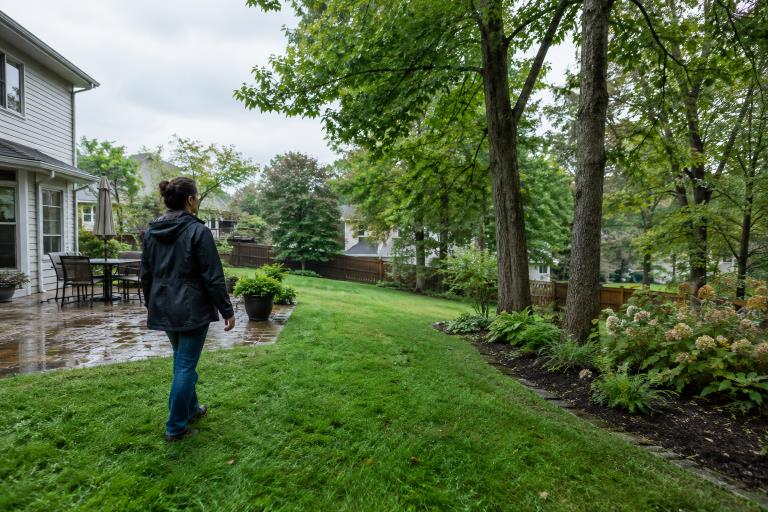
Good design responds to the property rather than forcing a fixed idea onto it. Observe sun and shade, slopes, existing trees, root zones, fences, utilities, property lines, wind exposure, and natural walking routes. Walk the yard after rain, during the hottest part of the day, and after dark. Those visits often reveal drainage concerns, uncomfortable exposure, and missing path lighting.
4. Solve Drainage and Water Issues First
Water management should come before finished surfaces and planting. Poor grading, roof runoff, compacted soil, or a low spot near the house can create problems that decorative improvements will not solve. Water should move away from structures and high-use areas without creating erosion elsewhere.
Depending on the site, solutions may include regrading, swales, drains, downspout extensions, permeable surfaces, or planted collection areas. Rain gardens help hold water on a landscape when they are properly located and matched to the property’s soil and drainage conditions. Irrigation should also be divided into zones, so plants with different moisture needs are not treated the same.
5. Choose Materials That Need Less Care
No single surface is right for every yard. Climate, slope, drainage, foot traffic, budget, and repair access should guide the decision.
- Concrete: Creates a stable, cleanable surface, but poor base preparation or drainage can contribute to cracking.
- Pavers: Individual units can be replaced if a localized repair is needed.
- Natural stone: Adds texture and character, though installation and cleaning requirements vary by stone type.
- Gravel: Supports drainage but may shift under frequent traffic and need occasional replenishment.
- Wood or composite decking: Provides a warmer feel, with upkeep requirements that differ by material.
Consider slip resistance, color in bright sun, furniture stability, and whether future repairs can be completed without rebuilding the entire area.
6. Select Plants for All-Season Interest
A balanced planting plan can provide structure without filling every bed with plants that need constant attention. Combine evergreen plants for winter form, flowering perennials for seasonal color, shrubs for screening, ornamental grasses for texture, and ground covers where turf is difficult to maintain.
Choose plants based on mature size, sunlight, soil type, and expected moisture levels. A small shrub placed too close to a walkway, wall, or utility area can become a recurring pruning task. Research-based garden guidance on soil health and plant care can help homeowners make choices that fit their local growing conditions.
7. Add Comfort With Shade and Lighting
Comfort features often determine whether an outdoor area is used beyond a few ideal weekends. Shade may come from existing trees, umbrellas, pergolas, retractable coverings, or careful placement of seating. Lighting should make steps, paths, and elevation changes easier to see while avoiding glare near seating areas and nearby windows.
8. Plan the Project in the Right Order
- Set a budget that includes permits, labor, utilities, drainage, and future upkeep.
- Map activity areas, paths, planting zones, and service access.
- Correct grading and drainage before installing finished features.
- Prepare utility connections for irrigation, lighting, water, or gas if needed.
- Install major structures, including patios, paths, walls, steps, and shade features.
- Finish soil preparation, planting, lighting, and furnishings.
9. Common Mistakes To Avoid
- Choosing plants before checking sun, soil, and drainage.
- Installing hard surfaces before correcting standing water.
- Ignoring mature plant size and maintenance access.
- Using too many unrelated materials in a small space.
- Designing only for warm-weather use.
- Underestimating lighting, irrigation, and repair costs.
10. Create a Simple Maintenance Calendar
Spring is a good time to inspect drainage, irrigation coverage, surfaces, and winter damage. During summer, monitor soil moisture, keep paths clear, and trim plants away from walkways and fixtures. In fall, remove leaves from drains and hard surfaces, protect furniture, and repair loose edging or pavers. Winter is an opportunity to watch for slippery areas, protect sensitive equipment, and note changes to make next season.
11. When To Call a Professional
Professional guidance is especially valuable for substantial grading changes, retaining walls, steep slopes, buried utilities, irrigation connections, electrical work, large trees, and projects involving permits or inspections. Before work begins, request a clear scope, material list, schedule, maintenance expectations, and payment terms.
12. Final Checklist
- The layout supports everyday use.
- Water moves away from structures and busy areas.
- Materials fit the site and expected traffic.
- Plants suit available light, soil, and moisture.
- Paths and steps remain safe in wet and dark conditions.
- The design includes access for cleaning, pruning, and repairs.
Conclusion
A low-maintenance outdoor space starts with a design that reflects how the property will be used and what its conditions can support. Address drainage and grading first, then choose durable materials, suitable plants, and comfort features to make the yard practical year-round. A sensible construction sequence and simple maintenance schedule can also prevent avoidable repairs and ongoing work. With thoughtful planning and professional guidance when needed, homeowners can create an outdoor space that stays attractive, functional, and enjoyable in every season.