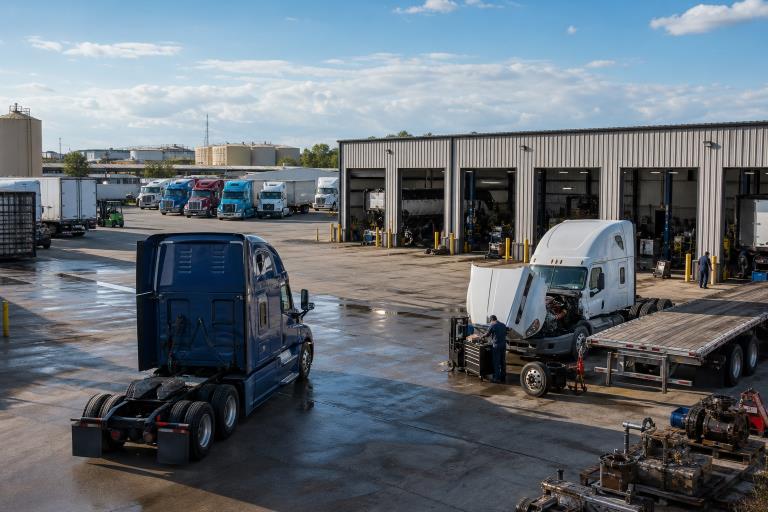
Key Takeaways
- Transportation careers include commercial driving, diesel repair, fleet service, trailer work, dispatch, and service coordination.
- People can enter the field through CDL training, technical education, apprenticeships, military experience, or entry-level shop roles.
- Safe work habits, communication, reliability, and problem-solving are essential in both driving and repair careers.
- Experience can lead to specialized technical work, driver training, dispatch, supervisory positions, or fleet management.
Commercial driving and diesel service offer practical career options for people who prefer hands-on work, clear responsibilities, and the satisfaction of keeping goods and equipment moving. Whether you are entering the workforce, changing careers, or building on mechanical experience, there are several ways to join our passionate team in the trucking industry while developing skills that can support long-term professional growth.
The best starting point depends on what suits you. Some people enjoy the independence and customer contact that come with driving. Others prefer diagnosing mechanical problems, working with tools, and seeing a repair through from inspection to final quality check. A third group may find its fit in fleet support, parts, scheduling, or service coordination.
Why Transportation Careers Still Offer Room To Grow
Trucks connect manufacturers, farms, warehouses, construction sites, retailers, and local businesses. That work is not limited to long-haul routes. Career opportunities can include local delivery, regional freight, dedicated routes, roadside support, trailer maintenance, preventive service, and shop operations.
The field also accommodates workers with different schedules and strengths. A driver may prefer local routes and regular customer stops, while another may choose regional work or specialized freight. A technician may focus on routine maintenance at first, then build toward electrical diagnosis, engines, brakes, suspension systems, or mobile service.
Choose The Right Career Lane
Before paying for a program or accepting a first job, compare the daily work involved in each path. The right choice is not always the one with the fastest entry. It is the one that aligns with your interests, responsibilities, physical comfort, and goals over the next several years.
Start With A Skills And Interest Check
Ask direct questions before committing to a path. Do you enjoy working with machines? Can you follow safety procedures consistently? Are you comfortable outdoors, in changing weather, or around noise and equipment? Do you prefer travel and route-based work, or would you rather solve technical problems in a shop? Honest answers can prevent an expensive training choice that does not fit your lifestyle.
- Commercial driver: A fit for people who enjoy operating vehicles, managing cargo responsibly, and working independently while staying in contact with dispatchers and customers.
- Diesel technician: A strong option for people who like mechanical systems, tools, diagnostics, repair procedures, and steady hands-on learning.
- Fleet service worker: A practical entry route involving inspections, preventive maintenance, cleaning, parts handling, and support for trucks and trailers.
- Service coordinator: A role for organized problem-solvers who can communicate clearly, schedule repairs, track work orders, and help keep service moving.
- Shop supervisor: A longer-term goal for experienced workers ready to combine technical knowledge with planning, safety oversight, and leadership.
Build The Right Foundation
Most entry-level roles require a solid base of practical skills rather than a four-year degree. Employers commonly look for a valid driver’s license when driving is part of the job, basic reading and math ability, reliable attendance, and the ability to communicate clearly. Workers also need to become comfortable with digital inspection forms, electronic work orders, and diagnostic screens. Physical readiness matters because the work can involve lifting, climbing, standing, bending, and working in tight spaces.
For people considering heavy truck driving, the median annual wage for heavy and tractor-trailer truck drivers was $58,640 in May 2025, according to the U.S. Bureau of Labor Statistics. Pay varies by location, employer, freight type, experience, schedule, and compensation structure, so candidates should evaluate an offer as a complete package rather than relying on one number.
Understand CDL Training And Licensing Steps
Commercial driver licensing is governed by federal and state requirements, so applicants should check the rules in the state where they expect to test and work. The usual process includes obtaining a commercial learner’s permit, studying the required knowledge areas, practicing inspections and vehicle control, completing road training, and passing the required tests. Some drivers may later pursue endorsements that match the equipment or freight they want to handle.
Applicants subject to federal entry-level driver training requirements can use the FMCSA Training Provider Registry to find registered training providers before taking the applicable CDL skills or knowledge test. State requirements may add to the federal baseline, so it is wise to confirm program details before enrolling.
Learn The Core Skills Employers Look For
For Drivers
- Pre-trip and post-trip inspections.
- Defensive driving and safe maneuvering.
- Cargo awareness, securement practices, and accurate paperwork.
- Clear communication with dispatchers, customers, and maintenance teams.
- Prompt reporting of vehicle defects, delays, and roadside issues.
For Diesel Technicians
- Preventive maintenance and inspection routines.
- Brake, steering, suspension, electrical, and engine service.
- Use of diagnostic tools and repair information.
- Accurate documentation of concerns, repairs, and follow-up needs.
- Safe testing, quality checks, and proper use of protective equipment.
Compare Training Paths
Several routes can build the foundation for a transportation career. Community colleges may offer structured classroom and lab instruction. Trade schools can provide focused, hands-on preparation. Apprenticeships combine supervised learning with real job experience. Entry-level shop work can introduce tools, inspections, parts systems, and daily service routines. Veterans may also be able to apply logistics, driving, maintenance, and safety experience gained during military service.
Build Experience One Step At A Time
Early responsibilities matter. Start by carefully completing inspections, handling parts accurately, maintaining a clean work area, and following instructions. Keep a record of completed training, tasks performed, licenses, endorsements, and certifications. Ask experienced coworkers for feedback, observe how they diagnose issues, and take on more complex work under proper supervision. Consistent improvement builds trust faster than claiming skills you have not yet developed.
Make Safety Part Of The Job
Safety is not a separate task from the job. Drivers need to manage fatigue, inspect equipment, remain alert around traffic, and report defects before they become larger problems. Technicians need to use proper lifting methods, secure vehicles before working underneath them, follow lockout procedures where required, and wear appropriate protective equipment. A worker who refuses to rush an unsafe inspection protects coworkers, customers, and the public.
Prepare A Strong Application And Plan Ahead
A strong application should honestly list licenses, endorsements, technical courses, tools, software, and hands-on experience. Use short examples that demonstrate reliability, teamwork, attention to detail, and problem-solving. Over time, drivers may move into specialized freight, training, dispatch, or fleet supervision. Technicians may progress toward diagnostic work, mobile service, lead technician roles, or shop management. Communication skills can also create opportunities in estimating, customer service, and operations.
Questions Readers May Have
Do You Need A Four-Year Degree?
Many driving and technician roles are built through licensing, certificates, trade training, apprenticeships, and supervised experience rather than a traditional four-year degree.
Is Diesel Repair Hard To Learn?
It takes patience and practice, but beginners can build capability through routine maintenance, technical instruction, careful observation, and progressively more complex supervised tasks.
Can You Change Careers Later In Life?
Yes. Skills from construction, farming, warehouse work, equipment operation, military service, and automotive repair can transfer well when paired with the right training and safety habits.
Final Checklist For Getting Started
- Choose the career lane that best matches your interests and schedule.
- Review local licensing, medical, and training requirements.
- Compare program costs, schedules, and practical training opportunities.
- Build safety knowledge and basic mechanical confidence.
- Apply for training, apprenticeships, or entry-level positions.
- Track your skills and set six-month and one-year goals.
Conclusion
A career in commercial driving, diesel repair, or fleet service can begin through more than one door. Training lays the foundation, but safe habits, steady practice, and a willingness to learn build momentum. Start with a realistic assessment of your strengths, choose a path that fits your life, and treat every new responsibility as preparation for the next opportunity.