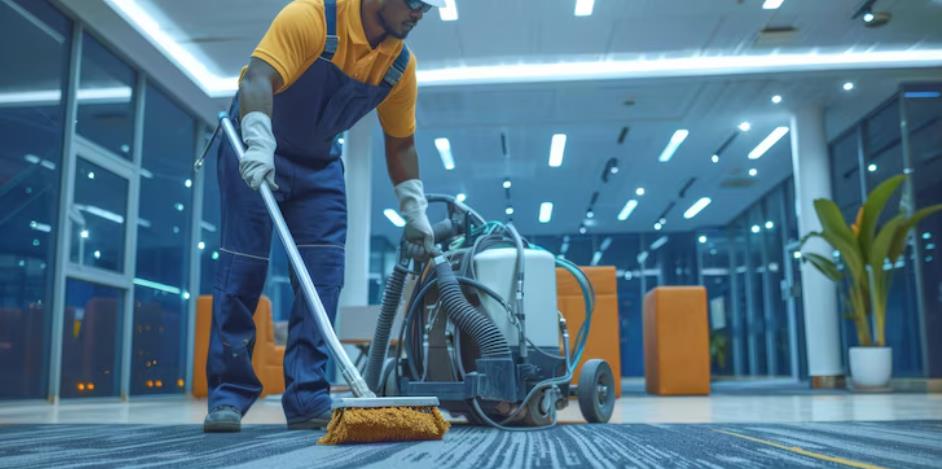
Let Cleanliness Work Like a Quiet Employee
A commercial property has a personality. Some spaces feel bright, organized, and ready for business. Others seem to whisper, “Please ignore the mysterious stain near the copier.” The difference often comes down to routine maintenance.
Cleanliness affects more than appearances. It influences how people move through a space, how comfortable employees feel, and how confidently customers interact with a business. A tidy office can make meetings feel more professional. A spotless retail store can encourage shoppers to browse longer. A clean restaurant can reassure guests that attention to detail extends beyond the dining room.
The most effective approach is not to wait for a mess to become impossible to ignore. Instead, cleaning should become part of the property’s normal rhythm. Small tasks completed consistently can prevent large problems from marching in later with muddy boots.
Build a Plan That Matches the Property
Every commercial building has its own cleaning personality. An office with quiet conference rooms has different needs from a busy restaurant, warehouse, medical facility, or retail store. Creating a useful plan begins with identifying how each area is used.
Consider the number of employees, customer traffic, operating hours, flooring materials, restrooms, food preparation zones, storage areas, and outdoor spaces. A lobby may need attention several times a day, while a rarely used supply room may need less frequent service. A warehouse may require dust control and careful debris removal, while an office may place greater emphasis on desks, shared equipment, and meeting rooms.
Divide cleaning duties into practical categories. Daily work can include emptying waste bins, cleaning visible surfaces, checking restrooms, and removing dirt from entrances. Periodic work can include detailed dusting, carpet extraction, upholstery care, window cleaning, and high surface cleaning.
This approach keeps the process realistic. A cleaning plan should be a useful map, not a fantasy novel in which one person somehow scrubs every ceiling tile before lunch.
Make Entrances a Daily Priority
The entrance is the property’s opening sentence. If it looks polished, visitors expect the rest of the building to be cared for. If it is cluttered, dusty, or covered in footprints, the business may appear distracted before anyone says hello.
Inspect entry doors, glass panels, mats, handles, nearby walls, and flooring. These surfaces collect fingerprints, rainwater, road dust, and whatever adventurous material people accidentally drag in from the parking lot. During wet or snowy weather, mats may need extra attention to reduce slippery conditions and keep moisture from spreading indoors.
A clean entrance also helps manage dirt throughout the building. High quality mats can capture grit before it reaches carpets and hard floors. Staff should remove damaged mats, misplaced boxes, promotional clutter, and other obstacles that make the doorway look cramped.
The goal is simple: visitors should walk in thinking about the business, not wondering whether the floor is trying to communicate in ancient mud symbols.
Beyond floor mats, exterior glass clarity plays an equal role in shaping a strong initial impression. Over time, hard water, dust, and weather buildup can dull glass surfaces and reduce natural light entering the building. Partnering with professionals like Glide Window Cleaning helps maintain clear glass, ensuring entryways and storefront display windows consistently look bright, inviting, and well cared for.
Protect Shared Spaces From Becoming Germ Museums
Break rooms, kitchens, elevators, copy areas, and conference rooms are shared by many people. That makes them convenient, useful, and occasionally suspicious. Coffee spills, crumbs, fingerprints, food odors, and overflowing bins can gather quickly in these spaces.
Frequently touched surfaces deserve special attention. Door handles, light switches, refrigerator handles, faucet fixtures, elevator buttons, shared keyboards, and table edges should be cleaned according to the needs of the building. Surface cleaning removes visible soil, while appropriate sanitizing practices can help reduce the spread of unwanted contaminants.
Break rooms also benefit from clear storage and regular refrigerator maintenance. Expired food should not be allowed to evolve into a new form of office management. Counters should be wiped after use, sinks should be rinsed, and floors should be checked for spills.
When shared spaces are cared for consistently, employees are more likely to use them responsibly. A clean room encourages clean habits. A neglected room can inspire the opposite, sometimes with impressive speed.
Treat Air Quality as Part of Cleanliness
A space may look tidy while still feeling stale. Dust, odors, moisture, and poorly maintained ventilation can affect comfort and the overall experience of employees and visitors. Clean floors and surfaces matter, but the air deserves a place in the maintenance conversation too.
Dust ceiling fans, vents, air returns, and other particle-collecting places regularly. The property’s maintenance requires filter replacement. Research persistent scents instead of hiding them with fragrances. A perfume cloud cannot fix a flooded carpet, overflowing drain, or neglected trash can.
Moisture deserves prompt attention. Leaks, condensation, and damp materials can create unpleasant smells and contribute to larger maintenance concerns. When water appears where it should not, staff should report it quickly and keep the affected area clear until it is addressed.
Fresh air is not flashy, but it quietly improves the entire building. Nobody writes a glowing review because the ventilation system behaved itself, yet people certainly notice when it does not.
Give Furniture and Fixtures Their Share of Attention
Desks, chairs, counters, shelves, partitions, and display fixtures can collect dust and fingerprints just as easily as floors. Because these objects sit at eye level or within reach, they strongly influence how clean a property feels.
Use cleaning methods suitable for each material. Wood, glass, laminate, metal, leather, and fabric may require different products and techniques. Excess moisture can damage certain surfaces, while harsh products may leave marks or dull finishes. Professional cleaners can help identify safe methods for materials that are expensive, delicate, or difficult to replace.
Upholstered furniture needs vacuuming and professional cleaning. Fabric chairs can retain dust, crumbs, and scents after the perpetrator leaves. Waiting rooms, reception areas, lounges, and conference venues where guests spend time need clean seats.
Small details add up. Straightened chairs, clean display shelves, dust free lamps, and polished fixtures can make a property feel orderly without demanding dramatic renovations.
Use Cleaning Equipment Properly
Only properly selected and used equipment can increase performance. Carpet vacuums may not work on hard floors. A bad mop or chemical might leave residue, stains, or damage a surface. Greater product does not necessarily guarantee greater cleanliness. Slippery floors and uneasy walks are sometimes all it takes.
Maintain, store, and replace cleaning tools when they fail. If mishandled, vacuum filters, mop heads, brushes, and cloths can spread filth. Color-coded supplies can distinguish restroom, kitchen, and general area cleaning.
Commercial properties may also require specialized equipment for carpet care, floor polishing, window cleaning, or high dusting. Professional service teams typically understand how to use these tools while reducing disruption to daily operations. Maintaining a clean and comfortable business environment also requires attention to ongoing operating expenses. Reviewing business energy rates can help business owners understand their energy costs and identify opportunities to manage electricity usage more efficiently.
Coordinate Cleaning Around Business Activity
A spotless property is useful, but cleaning should not create unnecessary interruptions. Scheduling matters. No one wants to hold an important client meeting while a loud machine roars nearby like a tiny aircraft preparing for takeoff.
Before opening, after closing, or during calmer times, cleaning might be scheduled. To keep corridors, doors, and restrooms accessible, high-traffic areas may need staged service. Businesses should notify the cleaning team of important events, seasonal traffic changes, construction, and temporary layout modifications.
Clear communication helps prevent missed areas and duplicated effort. It also allows cleaners to respond to unusual conditions, such as a spill, move, renovation, or sudden increase in visitors.
Track Results With Simple Inspections
A cleaning plan becomes more useful when someone checks whether it is working. Inspections do not need to be complicated. Managers can walk through the property and review entrances, restrooms, floors, shared surfaces, waste containers, windows, and outdoor areas.
Look for persistent issues, not isolated flaws. Schedule adjustments may be needed if the same restroom runs out. If dirt accumulates around one doorway, the entrance system may need better mats or more maintenance. If employees leave debris in communal areas, storage or signage may need updating.
Simple checklists can create accountability without turning cleanliness into a courtroom drama. They also help businesses recognize patterns and make informed decisions about professional cleaning frequency.
FAQ
How often should a commercial property be professionally cleaned?
The ideal frequency depends on building size, occupancy, industry, customer traffic, and the type of work performed inside. Busy properties may need daily service, while smaller or lower traffic spaces may use several visits each week along with scheduled deep cleaning.
What areas usually require the most attention?
Entrances, restrooms, reception areas, hallways, break rooms, kitchens, elevators, and shared equipment zones often become dirty quickly. These areas receive frequent contact and should be included in routine inspections.
Can regular cleaning help protect flooring?
Yes. Removing grit, spills, and moisture can reduce wear and staining. Carpets may need periodic deep extraction, while hard floors require products and equipment suited to their specific material.
Why is a cleaning schedule better than occasional cleaning?
A schedule prevents dirt, odors, clutter, and surface buildup from becoming larger problems. It also makes responsibilities easier to organize and helps maintain a consistent appearance throughout the property.
What should employees do between professional cleaning visits?
Employees can help by disposing of waste properly, reporting spills, keeping shared areas organized, and avoiding the habit of treating countertops as temporary storage warehouses. Small daily habits support the work of professional cleaners and help the property stay presentable.