Key Takeaways
- Safety comes before cleaning, belongings, or difficult conversations.
- Children need simple, honest information that fits their age and understanding.
- Emotional reactions may look different from person to person.
- Potentially hazardous areas should be handled only after proper guidance and assessment.
- Small routines can help restore a sense of order after a frightening event.
After a serious incident at home, it can be hard to think clearly. Whether the event occurred in San Francisco, Oakland, Concord, or another Bay Area community, the priority is to protect people from further harm. When an affected space may contain blood, bodily fluids, or other hazards, families may need trauma scene cleanup in San Francisco Bay Area after first responders have finished their work and released the area. From that point, the situation can affect each person differently. Some people may feel numb, while others may feel frightened, angry, or focused on small tasks. You do not have to solve every problem in one day. Taking one safe, practical step at a time can help your household move from chaos toward stability.
Start With Immediate Safety
If anyone may still be in danger, injured, or in need of urgent help, call 911. Leave the affected area, keep children and pets away, and follow directions from police, firefighters, paramedics, or other responders. Do not move items, throw anything away, or enter a restricted room if officials may need to document what happened.
Know When Not to Clean the Area Yourself
Ordinary household cleaning is different from cleaning after a traumatic event. Blood and bodily fluids can create health concerns. These materials are especially dangerous when they reach carpet, upholstery, flooring seams, mattresses, or other porous materials. Household gloves, paper towels, and a disinfectant spray may not be enough for a large, unknown, or hidden exposure. For families in eastern Contra Costa County, arranging Concord trauma scene cleanup can help relatives focus on each other while trained professionals address the affected area. While that support is arranged, never mix cleaning products, as some combinations can create dangerous fumes. Until the area has been assessed, keep visitors, children, and pets out of it.
Practical Steps to Take
- Avoid direct contact with blood, bodily fluids, or unknown materials.
- Close off the room if it can be done safely.
- Ask responding officials whether the area has been released.
- Write down questions before speaking with a cleanup or insurance professional.
- Do not assume a surface is safe just because it looks clean.
Protect Children From More Distress
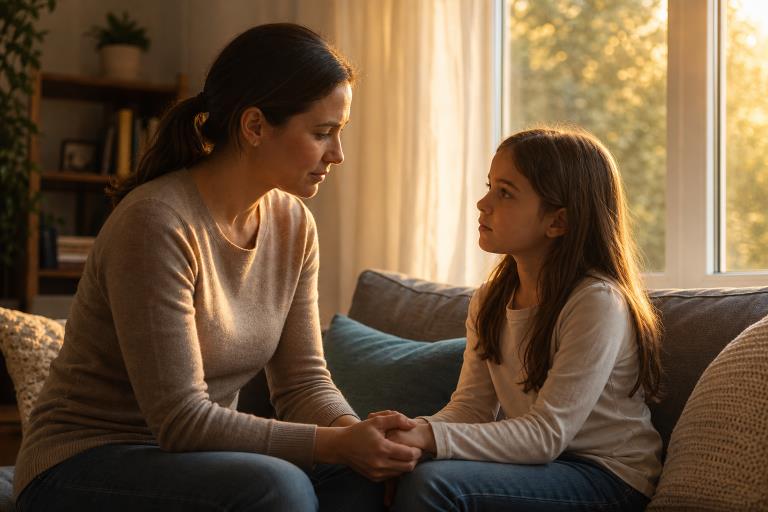
Children often notice more than adults expect. Younger children may become clingy, have trouble sleeping, or fear being alone. Older children and teens may become quiet, angry, distracted, or unusually worried. Their behavior may change more than their words do. Give children short, truthful explanations without sharing graphic details. Answer the question they ask, remind them that they are safe now, and let them respond in their own way. Talking, drawing, playing, or sitting quietly can all be healthy responses. Similarly, guidance on helping children regain a sense of well-being after a traumatic event encourages caregivers to maintain familiar routines when possible.
- Limit graphic news reports, videos, and social media posts.
- Keep meals, school plans, and bedtime as steady as possible.
- Let children know which trusted adults are caring for them.
- Do not pressure a child to talk before they are ready.
Support Adults Without Forcing a Timeline
Adults may experience shock, guilt, sadness, anger, confusion, or a strong need to stay busy. These reactions can change from hour to hour. A person who appears calm may still be struggling, and a person who wants to talk may need someone who can listen. Offer specific help instead of a general promise. Bringing a meal, driving someone to an appointment, caring for a pet, or helping with school pickup can reduce stress. Encourage family members to drink water, eat regular meals, rest when possible, and stay connected with people they trust.
Create a Simple Family Communication Plan
A crisis can bring many calls, messages, and questions at once. Choose one main contact person and one backup person to share confirmed updates. Decide who will speak with officials, a landlord, a property manager, an insurer, or other service providers. Protect the family’s privacy by avoiding online posts that include names, photos, home details, or unverified information. A brief message such as “The family is safe and will share updates when ready” can set a clear boundary without inviting more stress.
Document Practical Details When It Feels Possible
After the immediate emergency has passed, basic records may help with medical care, temporary housing, insurance, or legal matters. Keep the process simple by writing down the date, time, and basic facts you know. Save contact information, claim numbers, receipts, and official documents in one secure folder. If an investigation may still be active, ask before taking photos. If the household needs to leave for a hotel, a relative’s home, or another safe place, keep receipts for transportation, meals, emergency supplies, and lodging.
Choose Help Based on the Situation
- Immediate danger or injury: Call 911.
- Possible exposure or a medical concern: Contact emergency medical services or a healthcare provider.
- Hazardous contamination: Keep people away and seek qualified cleanup support.
- Housing or insurance concerns: Contact the insurer, landlord, property manager, or a local support agency.
- Severe emotional distress: Reach out to a licensed mental health professional or crisis service.
Watch for Signs That More Support Is Needed
Stress after a traumatic event can last beyond the first few days. Seek professional support when fear, sleep problems, panic, withdrawal, hopelessness, anger, or increased alcohol or drug use begin to interfere with daily life. If someone talks about self-harm or harming another person, get immediate help now. Use support networks, limit repeated exposure to news, return to routines, and contact help when symptoms become overwhelming.
Help the Household Return to a Routine
Recovery often begins with small actions. Set regular times for meals and sleep. Help children stay connected to trusted adults. Return to work, school, and normal responsibilities gradually when possible. Make room for grief, quiet time, and different emotional needs within the same family. A traumatic event can make a familiar home feel uncertain, but families do not have to carry every task alone. By prioritizing safety, communicating clearly, accepting practical help, and seeking professional care when needed, Bay Area households can begin taking steady steps forward.
Conclusion
After a serious incident at home, recovery often begins with safety, patience, and manageable next steps rather than trying to solve everything at once. Families should follow the direction of first responders, keep children and pets away from unsafe areas, and avoid handling blood, bodily fluids, or other potentially hazardous materials without appropriate guidance. Children and adults may respond differently, so allow space for individual reactions while maintaining familiar routines to provide a sense of stability. Practical support, including help with meals, transportation, childcare, documentation, insurance matters, or temporary housing, can also reduce the burden during the days that follow. When emotional or physical reactions persist, become severe, or interfere with daily life, professional support may be appropriate. To close, Bay Area families can focus on immediate safety, communicate honestly, protect privacy, accept help when needed, and take gradual steps toward a safer and more stable home.