Key Takeaways
- Workers’ compensation is often the first source of benefits after a construction injury, but it may not be the only available claim.
- A lawsuit may be possible when a negligent third party, such as a subcontractor, property owner, equipment maker, or driver, contributed to the accident.
- The facts, employment relationships, contracts, and state law can all affect what options are available.
- Prompt medical care, reporting, and evidence preservation can matter for both benefits claims and potential lawsuits.
Construction sites involve serious risks, including falls, equipment incidents, electrical injuries, trench collapses, and struck-by accidents. After an injury, it is natural to wonder whether you can sue, especially if unsafe conditions or another company’s actions played a role. Information available through quinnlawyers.com may help injured workers better understand the questions to raise after a serious workplace accident.
The answer depends on the circumstances. In many cases, an injured employee files for workers’ compensation benefits through an employer’s insurance coverage. However, a separate personal injury claim may be available if someone other than the employer caused or contributed to the harm. Because construction projects often involve multiple companies, these situations can be more complicated than those in a typical workplace injury.
What To Do Immediately After the Accident
Safety and medical care come first. Notify a supervisor or site manager immediately, seek emergency treatment if needed, and follow medical personnel instructions. Do not return to dangerous areas like unstable scaffolds, exposed wiring, moving equipment, or damaged trenches just to collect belongings or photograph. When safe, record the date, time, location, task, equipment, and witnesses. OSHA lists hazards such as falls, heavy equipment, electrical risks, silica dust, and asbestos, highlighting the importance of prompt incident documentation.
How Workers’ Compensation Usually Works
Workers’ compensation provides benefits for injured employees regardless of fault, including medical care, some wages, and disability needs. Rules and benefits vary by state. In return, employees usually cannot sue their employer for negligence, a rule called the exclusive-remedy. However, claims against others not their employer are sometimes allowed. State officials offer specific contact info and procedures.
When a Third-Party Lawsuit May Be Possible
A third-party claim may be possible when someone or a company outside the employer-employee relationship caused the accident. For example, a worker could potentially have a claim if a negligent driver entered a work zone, a subcontractor created a dangerous condition, or a defective piece of equipment failed during normal use.
Common Third-Party Claim Scenarios
- A delivery driver, motorist, or equipment operator employed by another company causes an injury.
- A subcontractor leaves an unprotected opening, unsafe work area, or dangerous material condition.
- A property owner or site controller fails to address a hazardous condition within its responsibility.
- A manufacturer, distributor, or maintenance company provides defective machinery, tools, safety gear, or components.
- A general contractor or another project participant may have legal duties related to site safety, depending on its authority and role.
A successful lawsuit requires more than showing that an injury occurred. The injured person generally must establish that the other party had a legal duty, failed to use reasonable care, and caused compensable harm. The precise legal standard and the parties who may be sued depend on the state and the project’s contractual structure.
Evidence That May Matter
Evidence can disappear quickly after a construction accident. Equipment may be repaired, a site may change, surveillance footage may be overwritten, and workers’ memories may fade. Preserving information early can help clarify how the accident happened and who had control over the work area or equipment.
Useful Records To Preserve
- Incident reports, safety reports, and supervisor communications.
- Photographs or video of the work area, equipment, protective gear, and visible injuries.
- Names and contact information for coworkers, witnesses, and responding personnel.
- Training records, work orders, inspection logs, and maintenance documents when available.
- Medical records, bills, prescription information, and notes about physical limitations.
- Pay stubs, time records, and documentation of missed work or modified duties.
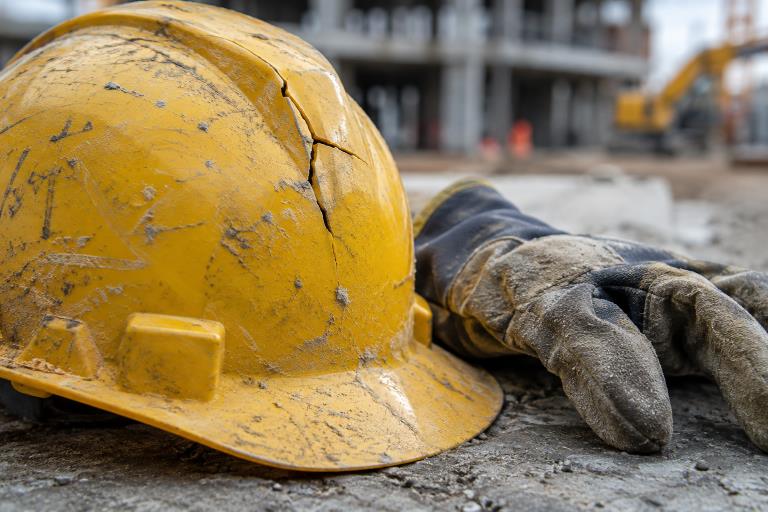
Do not alter, discard, or attempt to repair equipment that may be relevant to the incident. A hard hat, harness, ladder, power tool, machine component, or damaged clothing may later help explain the mechanism of injury. If an employer or another company controls the item, make a written record identifying it and noting its location.
Medical Care and Injury Documentation
Some construction injuries are immediately obvious, while others develop over time. Back injuries, concussions, hearing damage, soft-tissue injuries, respiratory issues, and repetitive-use conditions may not be apparent on the day of the event. Reporting symptoms accurately and attending follow-up care helps create a clearer injury record and its impact on work and daily life. Keep a simple recovery journal noting pain, sleep issues, appointments, missed work, restrictions, and difficult activities. It isn’t a substitute for medical documentation but helps recall relevant details.
Who May Be Responsible?
Construction projects involve various stakeholders like property owners, developers, contractors, subcontractors, staffing agencies, equipment rental companies, engineers, and suppliers. A company’s presence on-site doesn’t imply legal responsibility; liability depends on who controlled the work, provided equipment, created hazards, or was responsible for inspections. Employment status impacts coverage and liability, as employees, independent contractors, temp, and staffing workers may differ. Contracts influence insurance and safety duties among involved parties.
Mistakes To Avoid After a Construction Injury
- Waiting too long to report the injury. Report the incident promptly and keep a copy of any written report.
- Assuming workers’ compensation ends every legal inquiry. Another company’s role may need to be reviewed.
- Giving incomplete or speculative statements. Stick to facts you personally observed and avoid guessing.
- Posting accident details online. Public comments, photographs, and videos can be misunderstood or taken out of context.
- Ignoring medical restrictions. Returning to demanding work too soon may worsen an injury and lead to disputes over limitations.
- Throwing away documents or damaged equipment. Preserve records and physical items whenever possible.
When Legal Guidance May Be Useful
Professional guidance is especially helpful when injuries are severe, workers can’t return to the same job, multiple companies are involved, a defective product is suspected, or a workers’ compensation claim faces delays or denial. A legal expert can review deadlines, identify responsible parties, and clarify how third-party claims interact with workers’ compensation. Construction injury claims are highly fact-specific. The first steps are to protect your health, report the injury, preserve records, and avoid rushing decisions. These actions help secure benefits and determine if a third-party lawsuit is appropriate.