Key Takeaways
- The lowest starting price is not always the lowest cost over the life of a restoration.
- Implants, bridges, partial dentures, and full dentures replace missing teeth in different ways.
- Your gum health, bone support, remaining teeth, schedule, and budget all shape the right treatment plan.
- Future maintenance, repairs, relines, and replacement should be part of every comparison.
- A written estimate makes it easier to understand what is included before treatment begins.
Replacing missing teeth is a personal decision, especially for people balancing work, family commitments, and everyday routines in Cliffside Park, New Jersey. Reviewing dental implant cost Cliffside Park, NJ can be a useful starting point, but a good decision should look beyond one number on an initial estimate. Each option has a different treatment path, maintenance routine, and expected role in daily life. A removable appliance may have a lower upfront fee, while a fixed option may involve more planning and treatment visits. The most appropriate choice depends on the individual mouth, health history, lifestyle, and financial priorities.
Why the First Price Does Not Tell the Whole Story
Tooth replacement fees can vary because no two treatment plans are exactly alike. The number and location of missing teeth, the condition of nearby teeth, gum health, available jawbone, materials, dental imaging, temporary restorations, and laboratory work can all affect the final estimate. An online price range cannot account for those individual details. It is also important to compare the full treatment journey. A lower-cost option may later need adjustments, relining, repair, or replacement. A treatment with a higher initial fee may include surgery, healing appointments, and a final restoration, but may offer a different level of stability or convenience. Neither approach is automatically right for every patient.
The Main Tooth Replacement Choices
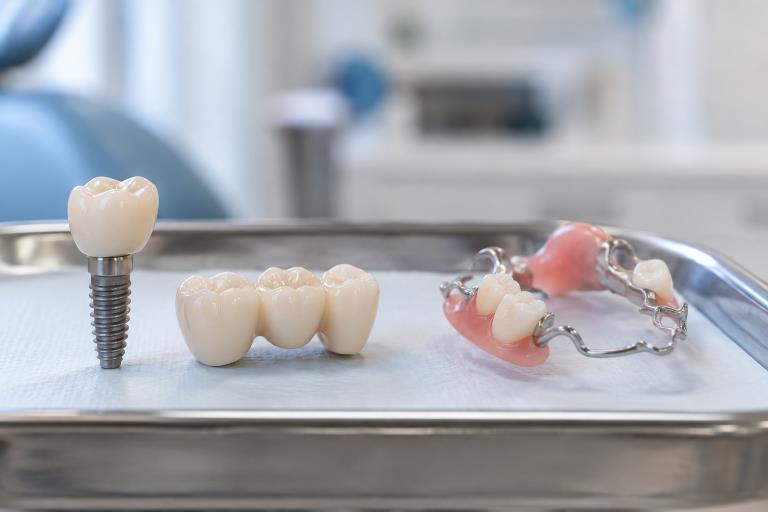
The most common choices are dental implants, bridges, partial dentures, and full dentures. A dental implant supports a crown, bridge, or denture from within the jawbone, while conventional bridges and dentures mainly replace the visible portion of missing teeth.
- Dental implants: A surgically placed implant can support one replacement tooth, multiple teeth, or a denture.
- Dental bridges: A bridge fills a gap by connecting a replacement tooth to supporting teeth or implants.
- Partial dentures: A removable appliance replaces several missing teeth while natural teeth remain.
- Full dentures: A removable appliance replaces most or all teeth in the upper or lower arch.
Upfront Cost Versus Long-Term Cost
Dentures often have a lower starting cost because they do not necessarily require implant surgery. A bridge may fall between dentures and implants, depending on how many teeth are involved and whether adjacent teeth need crowns. Implant treatment may involve a larger initial investment because it can include surgery, healing components, an abutment, and a crown or other final restoration.
When comparing estimates, ask whether the projected total includes the following items:
- Examinations, X-rays, scans, and treatment planning
- Extractions or treatment for gum disease, if needed
- Bone grafting or other preparatory procedures, if recommended
- Temporary teeth during healing
- Final crowns, bridges, dentures, or implant-supported appliances
- Future adjustments, relines, repairs, or replacement restorations
What Research Can and Cannot Tell You About Cost
A recent cost analysis of prosthodontic rehabilitation found substantial differences among implants, bridges, partial dentures, overdentures, and complete dentures. It also found that implant procedures generally required more treatment time than several removable choices. The research was conducted in a private clinical setting in Greece, so its prices should not be used as current pricing for Cliffside Park or anywhere else in the United States. Its practical value lies in showing why treatment type, duration, and complexity matter when comparing costs.
How Each Option Can Affect Daily Life
Dental Implants
Implants are fixed in place and can support a crown without using neighboring teeth as bridge supports. They require surgery and a healing process, and not every patient is a candidate without preparatory care. Daily cleaning remains important, as does regular professional monitoring of the gums and restoration.
Dental Bridges
A bridge is fixed in place and may be completed on a shorter timeline than implant treatment in some cases. Conventional bridges usually rely on adjacent teeth for support, which means those teeth may need to be prepared for crowns. Cleaning under the replacement tooth requires special attention.
Partial and Full Dentures
Dentures can replace multiple teeth without implant surgery and may be a practical option for patients who want a removable solution. Fit, retention, speech, and chewing comfort can vary. Because the shape of the mouth can change over time, dentures may need professional adjustments or relining.
Health Factors That Can Change the Treatment Plan
A consultation should evaluate gum disease, jawbone support, tooth grinding, oral hygiene habits, medical history, tobacco use, and the health of nearby teeth. Some patients need an extraction, periodontal treatment, or a healing period before receiving a final replacement tooth. These steps can affect both timing and cost, but they help create a treatment plan based on the mouth’s actual condition.
- Identify teeth that are missing or cannot be restored.
- Complete an examination and any needed imaging.
- Review gum health, bone support, and nearby teeth.
- Compare fixed and removable treatment choices.
- Request a written estimate for every treatment phase.
- Ask about maintenance needs and possible future costs.
Questions to Ask Before Choosing
- What exactly does the quoted fee include?
- Are scans, extractions, temporary teeth, and the final restoration included?
- How long will treatment take from the first visit to the final result?
- What daily cleaning routine will this option require?
- How might future repairs, relines, or replacement be handled?
- Will insurance contribute to any part of treatment?
- Are payment plans, health savings accounts, or flexible spending accounts available?
- What lower-cost alternatives are clinically reasonable for my situation?
Insurance and Payment Planning
Dental benefits vary widely by plan. Coverage for implants, crowns, bridges, dentures, and major restorative treatment may be limited by annual maximums, waiting periods, exclusions, or other plan rules. Requesting a written benefits estimate before treatment begins can help clarify the expected out-of-pocket portion. If financing is considered, review the interest rate, payment schedule, and total repayment amount.
Compare the Full Picture
For Cliffside Park patients, the best tooth replacement option is not simply the one with the lowest first estimate. It is the choice that fits the condition of the mouth, the desired timeline, comfort goals, cleaning routine, and realistic budget. Comparing complete written plans, rather than isolated prices, creates a clearer path toward a decision that can work well both now and in the years ahead.
Conclusion
Choosing a tooth replacement option involves balancing immediate affordability with long-term comfort, maintenance, and overall cost. Dental implants, bridges, partial dentures, and full dentures each offer different advantages, but the right choice depends on oral health, bone support, remaining teeth, personal preferences, and financial circumstances. For patients in Cliffside Park, NJ, a detailed consultation can help identify suitable options and clarify whether preparatory treatment, additional appointments, or temporary restorations may be needed. Before making a decision, request a written estimate that outlines all included services, potential additional expenses, future repairs, and routine maintenance. It is also worth reviewing insurance benefits and financing terms to understand the full financial commitment. By comparing complete treatment plans rather than focusing only on the initial price, patients can make a more informed decision that fits their health needs, daily routines, and budget over time.