Key Takeaways
- Confirm ownership, liens, taxes, and property status before advertising the home.
- Review community rules early if the home sits in a manufactured home park.
- Prioritize safety, function, and documentation over costly cosmetic upgrades.
- Compare offers by estimated proceeds, conditions, and closing certainty, not price alone.
Selling a mobile home in Dallas can be straightforward when the paperwork, location details, and community requirements are handled early. Whether you plan to list traditionally, sell directly, or explore options such as we buy mobile homes in Dallas, TX, begin by identifying exactly what is being sold: the home alone, the home and land, or a home that must be moved.
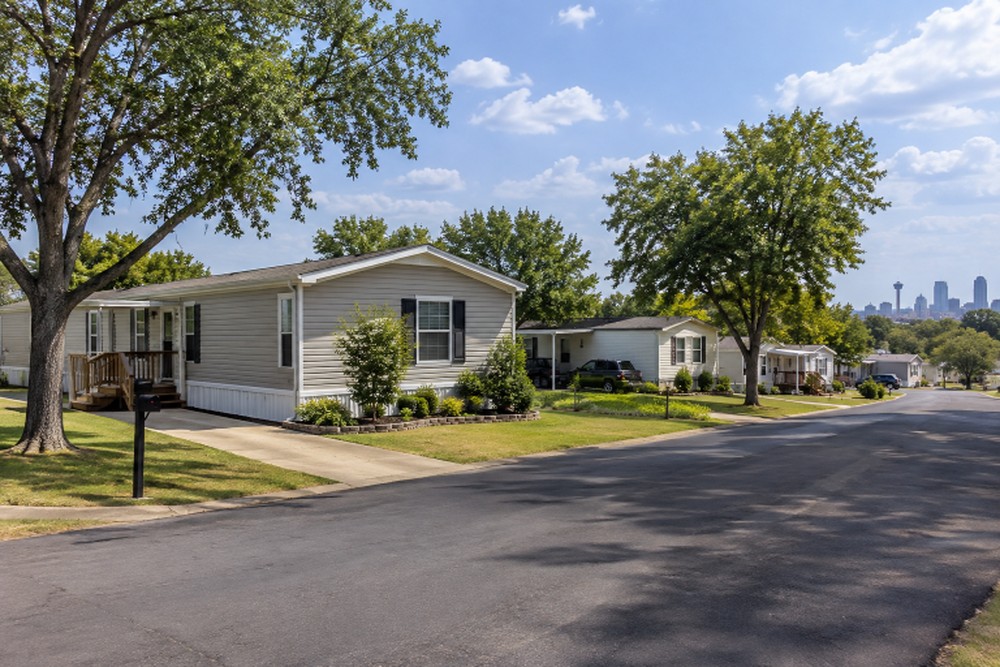
Dallas-area sellers often face different steps depending on whether the home is in a manufactured home community or on privately owned land. A home in Garland, Mesquite, Irving, or southern Dallas County may have its own lot rules, while homes on land can involve county records, taxes, and real-property questions.
Start With the Dallas Housing Setting
North Texas weather deserves attention before a sale. Summer heat places heavy demands on cooling equipment, while storms, wind, and hail can expose roof, siding, window, and drainage problems. A buyer will usually notice active leaks, soft flooring, damaged skirting, or an unreliable air-conditioning system quickly, so it helps to understand the home’s condition before setting a price.
Start by answering a few practical questions: Is the home in a park? Is land included? Is there unpaid lot rent, a loan, a tax balance, or a lien? Can the home remain where it is after the sale? If it must move, who will pay for transport, permits, utility disconnection, and setup?
Confirm Ownership and Property Status
Ownership is the foundation of a smooth transaction. Owners who want to sell your Dallas Texas mobile home should verify the names on the ownership record, the home’s identifying information, and whether every owner must sign before accepting a firm closing date.
Texas manufactured homes commonly use a Statement of Ownership rather than a vehicle-style title. The Texas Department of Housing and Community Affairs explains that the Statement of Ownership identifies ownership and recorded liens, and it also reflects whether the home is treated as personal property or real property. Review the state’s Statement of Ownership requirements if records are missing, a lien was paid off, ownership changed through inheritance, or the home has been relocated.
Details to Verify Before Listing
- Names of all owners shown in the records.
- Serial number, HUD label, or Texas seal information.
- Outstanding lender interests, tax liens, or released liens.
- The home’s current physical location and property classification.
- Whether the land is included with the sale.
Gather the Right Documents
Organized records make it easier for a buyer, community manager, lender, or closing professional to review the transaction. Keep original documents secure, but prepare clear copies for legitimate requests. Check that names, dates, and identifying numbers match across the paperwork.
- Statement of Ownership and prior bill of sale.
- Loan payoff information and lien releases, if applicable.
- Property-tax records or paid tax receipts.
- Lot lease, lot-rent statements, and community correspondence.
- Repair invoices, warranties, appliance manuals, and insurance information.
- Probate, divorce, power-of-attorney, or estate documents when relevant.
Review Manufactured Home Community Rules
A willing buyer does not always mean an immediate closing in a manufactured home community. Many communities require the incoming resident to apply, meet occupancy standards, sign a new lease, and satisfy rules related to pets, exterior condition, or age restrictions. Ask the manager for the current transfer process in writing.
Questions for the Community Manager
- Does the buyer need approval before the sale can close?
- Are application, transfer, inspection, or administrative fees required?
- Must past-due lot rent or utility balances be paid first?
- Can the home stay on its existing lot after transfer?
- Are repairs to steps, skirting, porches, sheds, or paint required?
Decide Which Repairs Make Sense
Focus first on defects that affect safety, weather protection, and everyday use. Repairing an active roof leak, loose steps, broken windows, unsafe outlets, plumbing leaks, or a nonworking HVAC system may make the home easier to show and reduce later disputes. Take photos and keep invoices for completed work.
Major luxury upgrades may not return their full cost, particularly if the home is older or must be moved. Avoid spending heavily on custom finishes without comparing the likely sale benefit. Do not hide water damage, floor issues, or other known defects. Clear, honest disclosures help buyers evaluate the property realistically.
Estimate a Fair Asking Price
Mobile home value depends on more than square footage. Consider the year built, single-wide or double-wide layout, maintenance history, roof and HVAC condition, monthly lot rent, community appeal, land ownership, and whether the buyer can keep the home in place. A home sold with land is evaluated differently from a home in a leased-lot community.
Gather more than one local opinion and compare similar homes carefully. If relocation is required, factor in the buyer’s moving and setup costs because those expenses can affect demand and negotiations.
Compare Offers Carefully
Look beyond the purchase price. A lower offer with fewer contingencies and a reliable closing plan can be preferable to a higher offer dependent on uncertain financing, extensive repairs, or community approval.
- Price: What is the total amount offered?
- Conditions: Is the offer subject to inspection, financing, repairs, or park approval?
- Costs: Who pays transfer fees, taxes, lot-rent balances, or moving expenses?
- Timing: Is the proposed closing date realistic?
- Net proceeds: What remains after agreed payoffs and seller-paid costs?
Prepare for Closing and Move-Out
Before handing over possession, confirm the final agreement, required signatures, payment method, and community paperwork. Remove personal items and trash, photograph the home’s move-out condition, and keep signed copies of every document. Transfer keys, gate remotes, appliance manuals, and access codes only when the agreed closing steps are complete.
If a buyer will move the home, clarify responsibility for permits, route planning, utility disconnections, transport, installation, and damage before finalizing the deal. Sellers using a paid representative should also understand when licensing rules apply. The Texas Real Estate Commission provides guidance on selling a manufactured home with or without real estate.
Final Dallas Seller Checklist
- Confirm the home’s location, ownership status, and whether land is included.
- Locate the Statement of Ownership and check for liens or tax balances.
- Review lot-rent status and community transfer requirements.
- Address practical safety and weather-related repairs.
- Collect repair records, warranties, and relevant legal documents.
- Compare offers by conditions, costs, timing, and net proceeds.
- Set closing only after required approvals are in place.
- Keep copies of signed documents and move-out photographs.
A successful mobile home sale in Dallas, Texas starts with accurate records and realistic expectations. By addressing ownership, park requirements, property condition, and closing details in the right order, sellers can reduce avoidable delays and make more confident decisions.