Tooth pain can range from a brief annoyance to a sign that urgent care is needed. In Palm Coast, Florida, a cracked tooth during a bike ride, a sports injury, sudden facial swelling, or a severe nighttime toothache can leave families unsure whether to contact a dentist, visit an emergency room, or wait until morning.
Knowing where to turn can make the next step easier. Dentique Dental provides general, restorative, cosmetic, and urgent dental care for Palm Coast patients, including treatment for severe tooth pain, dental injuries, uncontrolled bleeding, and possible infections. When symptoms require prompt attention, an emergency dentist Palm Coast patients can contact is available through Dentique Dental to help assess the problem and determine appropriate treatment.
The Difference Between Pain and Danger
Not every sore tooth requires emergency treatment, but pain should not be casually ignored. A toothache may be caused by trapped food, sensitivity, decay, a crack, gum disease, or an infection. Pain that becomes severe, keeps returning, interferes with sleep, or appears alongside swelling or fever deserves prompt professional attention.
An emergency room can be essential for a serious medical emergency, especially when breathing, swallowing, bleeding, or major facial injury is involved. However, emergency departments generally do not perform dental procedures that fix the underlying issue, such as fillings, crowns, root canals, or tooth repairs. For many dental problems, a dentist is the most direct place to begin.
What Counts as a Dental Emergency?
Call a dental office promptly when any of the following occurs:
- Severe, worsening, or persistent tooth pain.
- Swelling in the gums, jaw, mouth, or face.
- Bleeding that does not stop with steady pressure.
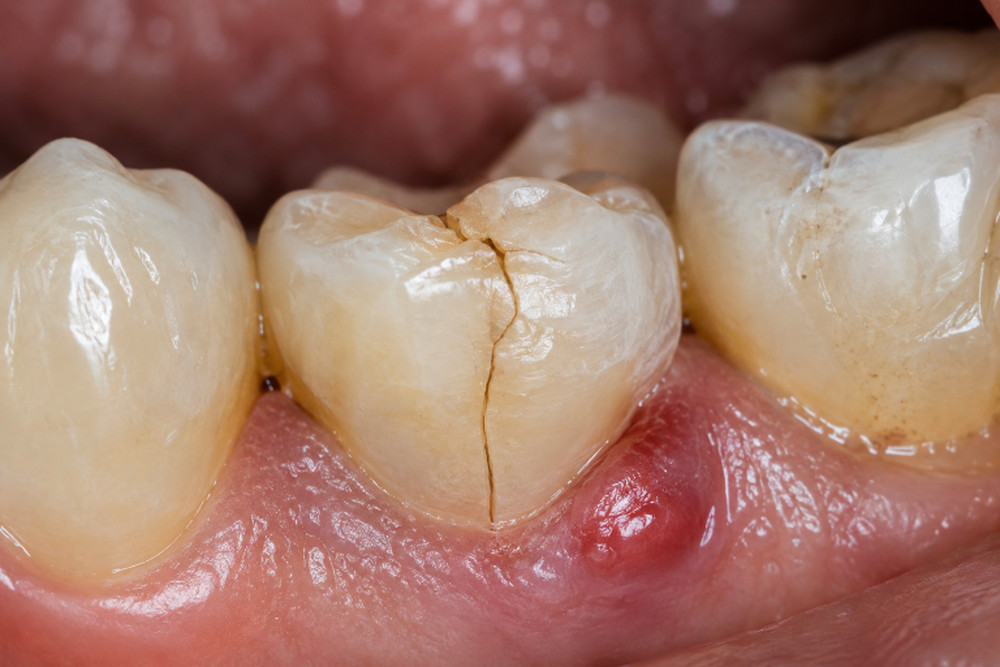
- A permanent tooth that has been knocked out, loosened, cracked, or badly broken.
- Signs of infection, such as pus, fever, facial swelling, or a bad taste near a painful tooth.
- An injury to the teeth or mouth after a fall, vehicle collision, or sports accident.
Call 911 or go to the emergency room immediately for trouble breathing, trouble swallowing, rapidly expanding swelling, loss of consciousness, uncontrolled bleeding, or major trauma involving the face or jaw.
When It May Be Safe to Wait Briefly
Some concerns can often wait for a regular dental appointment, provided symptoms stay mild. Examples include a small chip without pain, a lost filling or crown without swelling, short-lived sensitivity after hot or cold foods, or a mild toothache without fever or injury.
Still, waiting briefly should not mean postponing care for weeks. A small cavity can deepen, a crack can spread under chewing pressure, and a lost restoration can leave a tooth more vulnerable. Call the dental office and describe the symptoms so the team can help determine the appropriate timing.
First Aid for Common Dental Problems
For a Knocked-Out Permanent Tooth
- Pick up the tooth by the crown, which is the chewing surface, not the root.
- Rinse it gently with clean water if it is dirty. Do not scrub or scrape the root.
- If possible, carefully place the tooth back into its socket without forcing it.
- If reinsertion is not possible, keep the tooth moist in milk, saliva, or a tooth-preservation product.
- Seek dental care immediately.
The American Dental Association’s guidance on common dental emergencies also recommends keeping a knocked-out permanent tooth moist and getting to a dentist right away.
For a Cracked or Broken Tooth
- Rinse the mouth gently with warm water.
- Apply a cold compress to the outside of the cheek to help limit swelling.
- Save broken pieces of the tooth when possible.
- Avoid chewing on the injured side.
- Arrange a dental evaluation as soon as possible.
For a Severe Toothache
- Rinse with warm water and floss gently to remove trapped food.
- Use over-the-counter pain medicine only as directed on its label.
- Do not place aspirin directly against the tooth or gums.
- Call a dentist if pain persists, returns frequently, or worsens.
For Bleeding or a Lip, Tongue, or Gum Injury
Apply clean gauze with steady pressure for several minutes. Use a cold compress outside the mouth to reduce swelling. Seek immediate medical care if bleeding continues, the wound is deep, or there is concern about a jaw injury.
Dentist or Emergency Room: Where Should You Go?
- Call a dentist first for: severe tooth pain, a broken tooth, a lost crown, a suspected abscess, a loose tooth, or a knocked-out permanent tooth.
- Go to the emergency room for: breathing or swallowing difficulty, uncontrolled bleeding, major facial trauma, loss of consciousness, or quickly spreading facial swelling.
The emergency room can stabilize a serious condition, manage dangerous swelling, or address trauma. A dental office is usually needed afterward to treat the damaged or infected tooth itself.
What to Expect During an Urgent Dental Visit
When calling, be ready to explain the location and intensity of pain, whether swelling or bleeding is present, when the problem started, and whether an accident occurred. The office may ask about medications, allergies, and relevant health conditions.
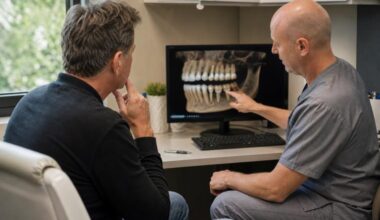
At the visit, the dentist may examine the tooth and surrounding tissue, take X-rays, and focus first on relieving pain, controlling infection, protecting an injured tooth, or creating a treatment plan. Some cases require a single visit, while others require follow-up treatment such as a restoration, crown, root canal, or extraction.
Why Delaying Care Can Make Treatment Harder
Temporary relief does not always mean the problem is gone. Decay can reach the inner portion of a tooth, infection can affect nearby tissue, and cracks can worsen over time. A knocked-out tooth also becomes harder to save the longer it goes without being replaced. Acting early may provide more options for repairing and preserving the tooth.
What to Keep in a Dental Emergency Kit
- Clean gauze and dental floss.
- A small clean container with a lid.
- Saline or bottled water.
- A cold pack.
- Dental wax for a sharp temporary edge.
- Your regular dentist’s phone number.
- A tooth-preservation product, if available.
A kit can support first aid during a busy Palm Coast day, but it cannot replace an examination by a dental professional.
Reducing the Risk of a Dental Emergency
Wear a mouthguard for contact sports and higher-impact recreation. Avoid chewing ice, hard candy, popcorn kernels, or non-food objects. Brush twice daily with fluoride toothpaste, clean between teeth each day, and keep up with routine dental visits. The CDC explains that fluoride toothpaste helps prevent cavities by helping protect tooth enamel.
Questions to Ask Before You Leave
- What likely caused this pain or injury?
- Can this tooth be repaired?
- What treatment is needed today, and what may be needed later?
- Which symptoms would mean the problem is getting worse?
- What foods, activities, and medicines should be avoided?
Act Early When Symptoms Are Severe
Severe pain, swelling, uncontrolled bleeding, infection symptoms, and dental trauma should be taken seriously. Calm first-aid steps can protect the mouth while help is arranged, but prompt professional care is often what prevents a painful problem from becoming more complicated. Keep your dentist’s contact information available, avoid risky home remedies, and seek emergency medical help when breathing, swallowing, or serious bleeding is involved.