A Playground Is More Than Equipment
A playground is a small kingdom where the laws of adult life become pleasantly unreliable. A tower may become a pirate ship, a tunnel may lead to a dragon’s pantry, and a simple climbing wall may transform an ordinary Tuesday into an expedition across Mount Giggle.
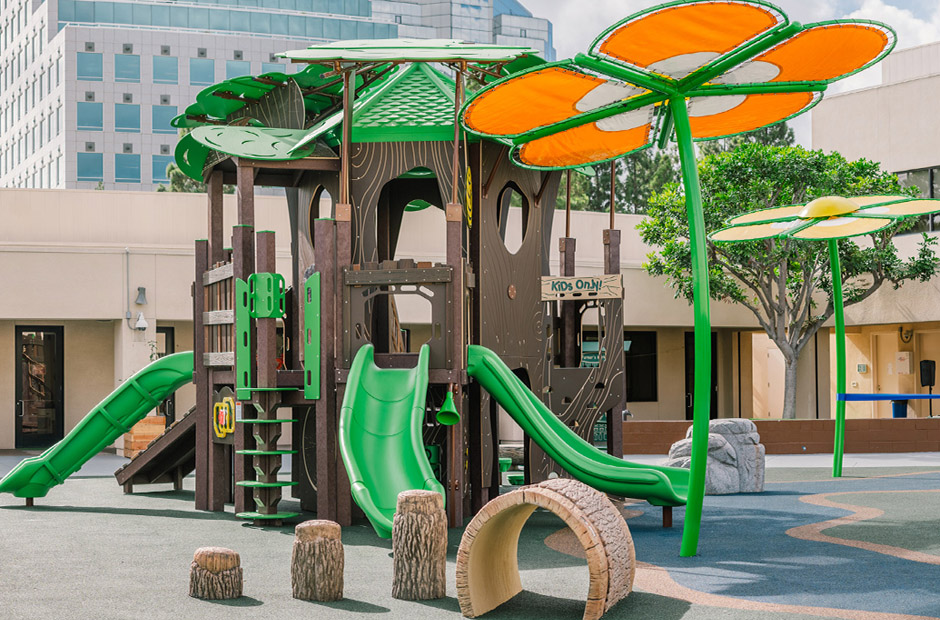
The best outdoor play areas do more than fill an empty patch of land. They give children room to move, imagine, negotiate, experiment, and occasionally announce that they are now the captain of everything. A thoughtfully planned complex de joaca can bring these experiences together in one lively environment, combining physical challenges with opportunities for creative and social play.
When children enter an engaging playground, they do not see a collection of materials and technical components. They see possibilities. One child may race toward the slide, another may inspect the climbing route like a tiny mountain guide, while a third may begin an elaborate game involving a lost treasure and three highly suspicious pigeons.
Designing Play Around Real Childhood Behavior
Children rarely use playgrounds exactly as adults expect. A bridge designed for crossing becomes a parade route. A platform becomes a stage. A tunnel becomes a secret headquarters. This is why flexible design matters.
A good playground complex includes spaces that support different types of play at the same time. Some children want fast movement and physical challenges. Others prefer storytelling, observation, or quieter activities. When the layout offers several choices, children can follow their interests instead of being forced into one style of play.
A balanced arrangement may include:
- Active climbing and balancing routes
- Slides with different levels of challenge
- Enclosed spaces for imaginative games
- Open areas for running and group activities
- Panels or features that invite discovery
- Comfortable places for rest and observation
This variety helps prevent the playground from becoming a one attraction show. The slide may be the celebrity, but the supporting cast deserves excellent lines too.
The Adventure of Gradual Challenge
Children enjoy challenge, but the challenge needs to feel achievable. If every feature is too easy, the playground becomes predictable. If every feature looks terrifying, even the bravest child may decide that watching ants is a better afternoon plan.
The most effective playgrounds offer progressive difficulty. A child might begin with a low climbing element, move to a slightly higher platform, and later attempt a more complex route involving ropes, ladders, or balance beams. Each success builds confidence and encourages the next attempt.
This gradual structure supports several important skills:
- Judging distance and height
- Controlling body movement
- Planning a sequence of actions
- Recovering after a small mistake
- Assessing personal limits
- Celebrating progress without needing a trophy ceremony
Children learn to make decisions through their bodies. They discover where to place a foot, how tightly to grip a rope, and when to pause before continuing. These lessons are practical, immediate, and much more memorable than a lecture about coordination.
Creating Spaces That Encourage Friendship
Playground friendships often begin with a very important question: “Can I play too?” A well-designed environment makes that question easier to answer.
Multiple entry points, shared platforms, wide bridges, and group friendly features encourage children to interact naturally. They can invent rules, assign roles, take turns, and adjust their games as new players join. This creates a lively social laboratory, except the scientists are wearing trainers and arguing about who gets to be the dragon.
Shared play also teaches children that not everyone approaches an activity in the same way. One child may rush across an obstacle while another takes a careful route. Some will lead the game, while others will contribute ideas from the sidelines. These interactions help develop patience, communication, compromise, and the ability to cope when someone proposes a completely different dragon storyline.
Designing for Imagination Without Instructions
The most memorable playground features do not always have a single obvious purpose. A neutral platform, a series of connected tunnels, or a cluster of posts can become almost anything in a child’s mind.
Castles, woodlands, spacecraft, space stations, and jungle adventures are possible themes. The theme should allow students to incorporate their own thoughts. Every detail explaining what the equipment represents may provide less room for imagination’s fascinating odd work.
Natural colors, textures, viewing points, and partially enclosed locations might inspire children to tell stories. Small openings can be concealed windows. A curving channel can be a cave. A raised platform can be a control room, bird observatory, or bustling six-year-old mayor’s office.
Making Movement Interesting From Head to Toe
Physical development is not limited to running. Children need opportunities to stretch, grip, twist, balance, crawl, climb, jump, and change direction.
A good playground plan encourages whole-body mobility. Challenges like climbing build arms and legs. Balance elements promote control. Crawling improves bodily awareness. Slides alter speed and location. Open spaces let kids sprint with the determination of ice cream van chasers.
Different movement types also help children discover personal preferences. Some may love height, others speed, and others the quiet concentration required to cross a balance element. Offering variety makes the play area more welcoming to a broader range of personalities and abilities.
Making Safety Part of the Experience
Safety should not make a playground dull. It should make adventurous play possible without unnecessary hazards.
A well-planned installation considers fall zones, spacing, visibility, access routes, secure connections, material quality, and play element relationships. Falls can be mitigated by impact-absorbing surfaces, safety barriers, and well-designed components.
Supervision also matters. Adults should be able to see important areas without needing to perform a dramatic obstacle course of their own. Clear sightlines help caregivers respond quickly and allow children more freedom to play independently.
Regular inspections are equally important. Busy playgrounds experience constant use, changing weather, muddy shoes, enthusiastic climbing, and the occasional snack dropped in a place where no snack should ever be. Checking fasteners, surfaces, platforms, slides, and structural components helps preserve the quality of the environment over time.
Supporting Inclusive Play
A modern playground should welcome children with different physical abilities, confidence levels, communication styles, and sensory preferences. Inclusion does not mean making every feature identical or removing challenge. It means creating several ways for children to participate.
Accessible routes can connect important areas of the playground. Ground level activities may provide enjoyable alternatives to elevated structures. Transfer points, supportive handrails, interactive panels, and wide circulation spaces can help more children take part in shared experiences.
Inclusive design also benefits children who are temporarily tired, recovering from an injury, or simply not interested in climbing to the clouds that day. A playground with varied experiences gives everyone a meaningful place within the action.
Choosing Materials for Daily Adventures
Playground materials need to look inviting, feel comfortable, and withstand repeated use. Outdoor structures face sunlight, rain, temperature changes, dust, and the enthusiastic creativity of thousands of small hands.
Durable surfaces and well-protected finishes help maintain appearance and performance. Smoothly finished components reduce splinters and uncomfortable contact points. Strong hardware and reliable construction support stability during energetic play.
Material choices can also influence the atmosphere. Warm colors may create a cheerful environment, while natural tones can help a playground blend into a park or garden. Textures add sensory interest, giving children more ways to explore with their hands and feet.
Planning the Playground Around Its Location
The same playground concept may work differently in a schoolyard, hotel garden, residential community, or public park. The surrounding space influences the design.
A school playground may need to support large groups during short breaks. A residential development may benefit from a compact layout with strong visibility for nearby families. A hotel may choose a visually distinctive installation that gives younger guests an exciting activity between swimming and asking for snacks.
Climate, available space, expected attendance, maintenance access, shade, drainage, and nearby paths should all be considered. A playground that fits its location feels natural and remains easier to use throughout the year.
How Playgrounds Change With the Children
Successful play spaces show fresh possibilities throughout time. A kid may use a structure cautiously, focusing on the rail. A few weeks later, the same child may comfortably navigate the route and describe the procedure to an adult who did not require a briefing.
This progression is one of the great strengths of outdoor play. Children return to familiar equipment with new abilities and new ideas. The playground stays recognizable while the experience changes.
For this reason, a complex should include features that remain interesting beyond the first visit. Different routes, varied heights, interactive details, and spaces for imaginative games encourage children to return and discover something new.
FAQ
What age group benefits most from a playground complex?
Playground complexes can support several age groups when they include varied levels of difficulty. Children in the six to twelve age range often enjoy climbing routes, bridges, obstacle features, slides, and active spaces that allow them to test growing strength and coordination.
How can a playground encourage creative play?
Creative play grows when equipment has more than one possible use. Platforms, tunnels, lookout points, panels, and enclosed spaces can become parts of stories, games, and role playing adventures. Open ended design gives children room to decide what the playground becomes.
Why are different challenge levels important?
Different challenge levels allow children to choose activities that match their abilities and confidence. Easier features provide a comfortable starting point, while more demanding elements encourage children to develop skills gradually.
What makes a playground suitable for a public space?
A public playground should be durable, easy to supervise, accessible, and appropriate for frequent use. It should offer varied activities, reliable construction, safe surfacing, clear movement routes, and features that appeal to children with different interests.
How does outdoor play support social development?
Outdoor play creates natural opportunities for children to communicate, share space, negotiate rules, take turns, and solve disagreements. Group games also help children understand cooperation while giving them countless chances to practice leadership and listening.
Why should playground equipment be inspected regularly?
Regular inspections help identify wear, loose connections, damaged surfaces, and other issues before they affect safe use. Consistent maintenance keeps the playground dependable, attractive, and ready for the next wave of enthusiastic explorers.