Managing real estate is a little like managing a busy kitchen. A rental property has its own recipe, with leases, tenants, repairs, and rent payments on the menu. A homeowner association has a different one, featuring budgets, board meetings, community rules, shared amenities, and the occasional argument about mailbox colors.
Both property managers and HOA managers keep real estate operations moving, but they serve different customers and solve different problems. Confusing the two can lead to missed responsibilities, unhappy residents, and financial headaches that multiply faster than weeds in an untended flower bed.
What a Property Manager Actually Does
A property manager is hired by a property owner, landlord, or investment group. The manager’s job is to operate one or more rental properties efficiently while protecting the owner’s financial interests.
This work begins before a tenant moves in. The manager may advertize a home, answer renter questions, schedule showings, verify applications, check references, and prepare lease paperwork. The property manager typically stands between a vacant unit and a new occupant with a moving truck full of boxes.
Once the lease is signed, the responsibilities continue. A property manager may collect rent, track late payments, respond to maintenance requests, coordinate repairs, and communicate with tenants about lease requirements. If a tenant reports a leaking ceiling at midnight, the property manager may not personally climb onto the roof, but they are expected to know whom to call.
Property managers also monitor expenses and income. They may prepare financial reports, recommend improvements, manage vendor relationships, and help owners decide whether a repair is worthwhile. Their performance is often measured through occupancy rates, rental income, expense control, tenant retention, and the overall condition of the property.
The central question for a property manager is usually this: How can the rental operate smoothly while producing a reasonable return for its owner?
What an HOA Manager Brings to the Community
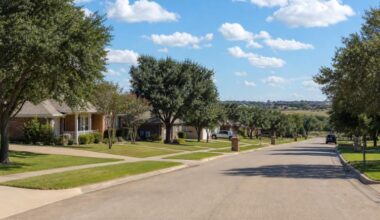
An HOA manager serves a community association rather than one individual property owner. The association is governed by a board of directors elected by homeowners, and the manager typically works under the board’s direction.
Instead of filling vacancies, the HOA manager may prepare meeting agendas, organize board packets, record decisions, and help directors follow the association’s governing documents. Their calendar may include budget discussions, vendor bids, annual meetings, reserve planning, insurance matters, and neighborhood improvement projects.
HOA managers also oversee shared spaces. A community pool, clubhouse, private road, playground, fitness room, or landscaped entrance does not maintain itself, despite what optimistic homeowners may believe. The manager coordinates contractors, checks whether services are being delivered, and reports problems to the board.
Another major responsibility involves assessments. HOA managers may prepare billing, process payments, follow up on delinquent accounts, and maintain financial records. These funds support common expenses such as landscaping, lighting, insurance, repairs, and long term capital projects.
Rule enforcement is another important part of the role. If the governing documents regulate parking, exterior changes, trash storage, pets, or landscaping, the HOA manager may send notices, document violations, and guide the board through the enforcement process. This requires consistency and tact. Nobody enjoys receiving a letter about an unapproved fence, especially if they believe the fence is a masterpiece of suburban architecture.
The central question for an HOA manager is different: How can the association operate fairly, financially, and consistently for the benefit of the entire community?
The People They Represent
A property manager generally represents an owner’s investment. While good managers treat tenants respectfully and respond to their concerns, their contractual duty is usually connected to the landlord or ownership group.
An HOA manager represents the association as directed by its board. That means the manager must consider the community as a whole rather than favoring one homeowner. The manager may communicate with every resident, but the board remains the governing authority.
This difference can be easy to miss because both managers answer phones, hire contractors, review invoices, and handle complaints. The important distinction is the decision maker behind the manager.
A landlord may instruct a property manager to renovate a kitchen, raise rent, or advertise a unit. An HOA board may instruct its manager to obtain landscaping proposals, enforce parking rules, or prepare a budget for roof replacement. The manager carries out authorized decisions but does not replace the owner or the board.
Their Daily Problems Look Very Different
Property management often revolves around individual units and tenant relationships. Common challenges include late rent, lease violations, move outs, emergency repairs, security deposits, and vacancies.
The manager may need to decide whether a damaged appliance should be repaired or replaced, whether a tenant’s request is covered by the lease, or how to reduce the time a unit remains empty. Every door, faucet, and smoke detector may become part of the day’s adventure.
HOA management focuses more on shared systems and collective expectations. The manager may deal with competing homeowner opinions, vendor performance, annual budgets, reserve funding, architectural requests, and disputes over rule enforcement.
A single homeowner might want a private basketball hoop, while another homeowner considers it a visual catastrophe. The HOA manager cannot simply choose the loudest opinion. They must refer to the governing documents, board decisions, applicable law, and established procedures.
Different Skills Lead to Different Results
Property managers benefit from strong leasing, marketing, tenant communication, maintenance coordination, and accounting skills. They should understand rental agreements, fair housing obligations, local landlord tenant requirements, and practical methods for reducing operating costs.
Negotiation is also valuable. A property manager may negotiate with a tenant over a renewal, with a contractor over repair pricing, or with an owner who wants luxury improvements on a shoestring budget.
HOA managers need distinct skills. They should know association governance, meeting procedures, assessment collecting, vendor oversight, reserve planning, and covenant enforcement. Community disputes can get heated, therefore they need diplomacy. Parking disputes can have courtroom drama-like emotions.
Written communication matters greatly in both professions. Property managers must write clear lease notices, maintenance updates, and payment communications. HOA managers must prepare meeting materials, violation letters, policy explanations, and board correspondence that is accurate without sounding like it was composed by a malfunctioning robot.
Financial Responsibilities Are Not Interchangeable
A property manager usually tracks the financial performance of specific rental homes or buildings. Income may come from rent, application fees, parking charges, or other permitted sources. Expenses may include repairs, utilities, insurance, taxes, landscaping, and management fees.
The financial goal is often to maintain cash flow and preserve the owner’s asset.
An HOA manager handles association funds collected from many homeowners. Those assessments support shared responsibilities rather than the private interiors of individual homes. The manager may help separate routine operating expenses from reserve contributions intended for major future work.
Reserve planning is especially important. Roofs, roads, exterior painting, elevators, fencing, and other common elements can be expensive when they fail. A community that ignores long term planning may eventually face sudden special assessments and a very unpopular meeting.
Because the money belongs to the association, financial transparency is essential. Accurate records, approval procedures, timely reports, and clear budgets help homeowners understand where their assessments go.
Why Hiring the Wrong Manager Creates Trouble
HOA specialists may mismanage vacancies, leases, and tenant issues. Asking a standard property manager to run an organization may result in poor meeting support, rule enforcement, or reserve planning.
The mismatch may not be obvious at first. Both professionals may be organized and friendly. Both may know how to call a plumber. The trouble appears when a specialized issue arrives.
A rental property needs someone who understands tenant screening and lease enforcement. An HOA needs someone who understands board authority, governing documents, and community wide obligations. A professional can be excellent in one environment and completely out of rhythm in the other.
How the Board or Owner Can Set Clear Expectations
Clients should write down the work before employing a manager. A landlord may need leasing, rent collecting, inspections, maintenance coordination, and financial reporting. HOA boards may need meeting administration, assessment processing, vendor management, rule enforcement, and budget development.
The agreement should explain who can approve repairs, how emergencies are handled, what financial reports are provided, and which decisions require board or owner authorization.
It is also useful to establish communication routines. A rental owner may want a monthly income statement and maintenance summary. An HOA board may need regular financial reports, violation tracking, project updates, and a calendar of upcoming deadlines.
Clear expectations prevent the manager from becoming the real estate equivalent of a contestant on a mystery game show, guessing what everyone wants while hoping nobody notices.
FAQ
Can one company provide both property management and HOA management?
Yes, some companies offer both services, but the teams and procedures may be separate. A company’s experience with rental homes does not automatically prove that it understands association governance. Ask about the specific staff, systems, credentials, and communities assigned to each service.
Does an HOA manager manage the inside of each homeowner’s house?
Usually, no. An HOA manager generally handles common areas and association operations. Individual homeowners are typically responsible for the interior of their homes and any private maintenance assigned to them by the governing documents.
Can an HOA manager collect rent from homeowners?
No. Homeowners usually pay association assessments, not rent. An HOA manager may process those assessments and follow up on unpaid balances, but the manager does not function as a landlord unless a separate rental management arrangement exists.
Does a property manager enforce HOA rules?
Property managers can inform tenants and owners of HOA rules, but the association or its management staff enforces them. The property manager should not create fines or act outside the lease, management agreement, or law.
Who makes the final decisions in an HOA?
The board of directors makes decisions for the association within the authority provided by the governing documents and applicable law. The HOA manager carries out approved tasks, provides information, coordinates services, and helps the board operate efficiently.
What should a rental owner look for in a property manager?
A rental owner should examine experience with similar properties, tenant screening procedures, maintenance response times, financial reporting, leasing performance, and knowledge of local rental requirements. References from comparable owners can reveal whether the manager handles ordinary problems before they become expensive ones.
What should an HOA board look for in an HOA manager?
An HOA board should look for experience with communities of similar size and complexity, strong financial procedures, knowledge of association operations, effective vendor oversight, and a fair approach to enforcement. Communication style matters too. A manager who can explain complicated issues clearly is often worth far more than one who hides behind impressive jargon.
Can a homeowner association hire a property manager instead?
Associations can choose their service provider, but they must have association management experience. Title alone isn’t enough. Whether the expert understands boards, assessments, common areas, governing documents, records, and community duties is crucial.