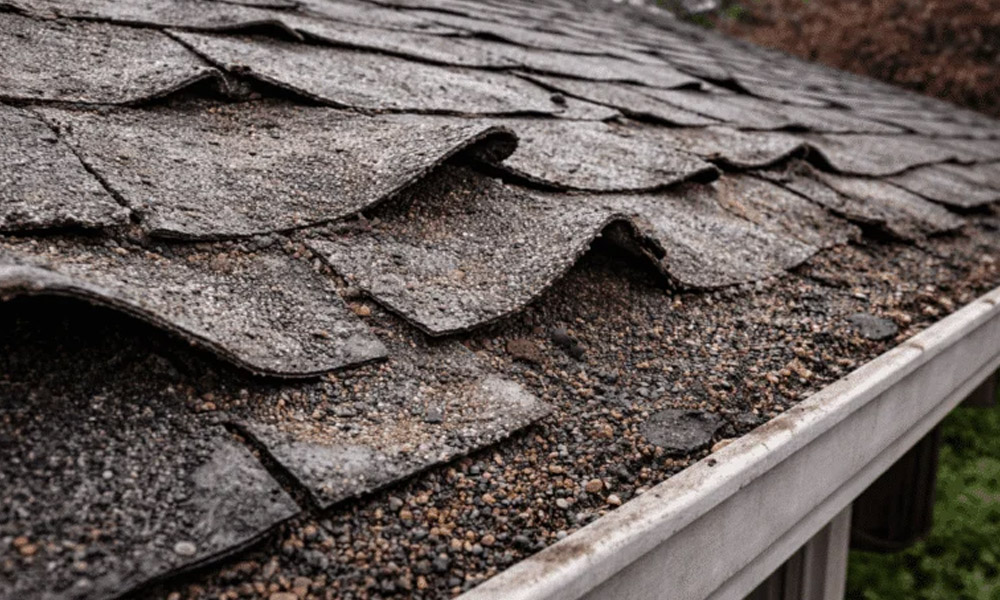
A roof can be a surprisingly talented actor. From the sidewalk, it may look perfectly calm, tidy, and respectable while quietly plotting its next escape attempt. Underneath those orderly rows of asphalt shingles, heat, moisture, wind, and age may be working together like a tiny committee determined to cause expensive drama.
Moline homeowners often ask if repairing an aged roof is better than replacing it. The answer depends on multiple missing shingles. Roof condition, ventilation, storm history, attic moisture, and reoccurring issues need attention.
Small Roof Clues Can Reveal a Larger Story
Roof deterioration rarely arrives with a marching band. It tends to begin with modest changes that are easy to dismiss. A shingle corner may lift slightly. A few granules may collect in the gutter. A faint stain may appear on the ceiling and then behave as though it has always lived there.
These clues deserve more respect than they usually receive. One isolated issue may be manageable, but several signs appearing across the roof can indicate that the entire system is losing its ability to protect the home.
Watch for conditions such as:
- Shingles that appear brittle, wavy, or unusually flat
- Exposed nail heads or gaps around roof fixtures
- Loose material near chimneys, skylights, valleys, and vents
- Granules collecting heavily at downspout outlets
- Sections that look different after repeated repairs
- Gutters containing more roofing material than leaves
A roof with scattered cosmetic flaws may still have useful service ahead. A roof with widespread changes may be sending a much less charming message.
When Repairs Begin to Feel Like Subscription Fees
Repairs make sense when damage is limited and the surrounding roof remains strong. Replacing a few wind damaged shingles or resealing a small flashing gap can extend the life of a sound roofing system.
The calculation changes when repair visits become routine. If a roofing contractor fixes one area and another problem appears soon afterward, the roof may be entering a cycle of temporary relief. This can feel like paying a monthly subscription for new surprises, except the subscription includes ladders, wet insulation, and occasional ceiling stains.
Frequent repairs can also create mismatched areas. New shingles may look noticeably different from older ones because of fading and weather exposure. The roof may remain functional, but its appearance can become a patchwork quilt that never learned how to sew.
A full replacement may provide better value when several roof sections need attention, the underlying deck has moisture damage, or the existing shingles have reached the later portion of their expected life.
The Attic Often Tells the Truth
The roof surface gets most of the attention, but the attic can provide some of the clearest evidence of trouble. It is the home’s behind the scenes department, and it does not always bother with polite explanations.
During an inspection, professionals may look for damp insulation, darkened wood, rusted fasteners, mold like growth, or daylight passing through areas that should be sealed. They may also check whether air moves properly through intake and exhaust vents.
Poor attic ventilation can create a troublesome chain reaction. Summer heat may build beneath the roof, causing shingles to age faster. In colder weather, warm indoor air can meet cold roof surfaces and create condensation. That moisture can affect insulation, wood components, and indoor comfort.
A replacement project provides an opportunity to correct ventilation problems instead of placing new shingles over an old airflow issue. New materials cannot perform their best if the space below them remains hot, damp, or poorly balanced.
Storm Damage Is Not Always a Dramatic Event
Some homeowners expect storm damage to look like a roof has been attacked by a giant flying lawn chair. In reality, hail and wind can leave subtler evidence.
Hail may create bruised areas that are difficult to spot from ground level. Wind can break adhesive seals, loosen tabs, and create openings around roof edges. Repeated storms may weaken the same vulnerable areas until an ordinary rainstorm finally exposes the problem.
After severe weather, a professional assessment can identify damage that may not yet be leaking. This timing matters because water intrusion often begins quietly. By the time a stain appears indoors, moisture may already have traveled through insulation, framing, or ceiling materials.
A storm review should include roof slopes, ridges, valleys, flashing, vents, gutters, and nearby exterior elements. Checking only the most visible section is like examining one wheel and declaring the entire family car healthy.
Replacement Planning Can Make the Process Less Disruptive
A planned roof replacement is usually easier to manage than an emergency project scheduled around an active leak. Homeowners can compare material colors, discuss ventilation improvements, review flashing details, and understand the work sequence before crews arrive.
Planning also allows time to consider how the roof will work with the rest of the home. Shingle color affects curb appeal, but installation quality affects long term performance. Proper underlayment, carefully installed flashing, secure edge protection, and accurate ventilation details all contribute to a dependable result.
The roof deck should be reviewed during the project. Shingles may hide rotten wood, and forgetting to repair decking can put the new system on an unsteady base. A trustworthy contractor discusses how to handle such problems during removal.
Choosing Materials for Moline Weather
Moline homes experience changing seasons, which means a roof must cope with summer heat, freezing temperatures, strong winds, heavy rain, and winter precipitation. Asphalt shingles remain popular because they offer a broad range of colors and styles while fitting many household budgets.
Material selection should account for more than appearance. Homeowners may compare wind resistance, impact performance, warranty terms, algae resistance, and compatibility with the home’s ventilation design. A roof that looks impressive in a sample book should also be prepared for the less glamorous realities of February ice and August humidity.
The right product depends on the home, the roof slope, local exposure, and the owner’s long term plans. A knowledgeable roofing professional can explain the practical differences without turning the conversation into a vocabulary contest involving seventeen types of underlayment.
Indoor Comfort Can Improve After Roof Work
A roof replacement is not primarily an indoor comfort project, yet the roofing system plays a role in how the upper part of a home handles heat and moisture. Damaged shingles, wet insulation, and poor attic airflow can contribute to uneven temperatures and persistent humidity.
During replacement planning, homeowners can ask for attention to ventilation, insulation condition, and areas where air may leak into the attic. Correcting these details can support a more stable indoor environment and reduce the chance that moisture will continue harming the new roof from below.
This does not mean a new roof magically turns every bedroom into a luxury spa. It does mean that a properly assembled roofing system can help the home manage seasonal conditions more effectively.
Questions to Ask Before Signing a Roofing Agreement
A clear conversation before work begins can prevent confusion later. Homeowners should understand what the estimate includes, how hidden deck damage will be addressed, whether old materials will be removed, and how cleanup will be handled.
Useful topics include:
- Who will supervise the installation?
- What products will be installed beneath the shingles?
- How will flashing around walls and roof openings be replaced or repaired?
- What happens if weather interrupts the project?
- How will landscaping, siding, windows, and driveways be protected?
- What workmanship coverage comes with the completed installation?
A dependable contractor should answer these questions in plain language. If the explanation sounds like it was written by a confused robot trapped inside a toolbox, ask for clarification before approving the work.
FAQ
How can I tell if my roof needs replacement instead of another repair?
A roof may need replacement when damage appears across multiple areas, repairs happen repeatedly, shingles show widespread aging, or moisture has affected the decking and attic. A professional inspection can determine whether the remaining roof system is strong enough for another repair.
Can a roof look fine from the ground and still have serious damage?
Yes. Hail bruising, lifted seals, damaged flashing, and soft decking may not be visible from the street. Some problems become noticeable only through a close inspection of the roof and attic.
Why should attic ventilation be checked during replacement?
Balanced ventilation helps control heat and moisture beneath the roof. Without it, shingles may age faster and condensation may affect insulation or wood components. Replacement is an appropriate time to correct airflow problems.
How long does a typical asphalt shingle roof last?
Service life varies according to product quality, installation, ventilation, weather exposure, maintenance, and storm history. The roof’s actual condition matters more than a calendar estimate, so an inspection is useful when the system begins showing age related changes.
What interior signs may indicate a roofing problem?
Ceiling discoloration, peeling paint near upper walls, damp insulation, musty attic odors, and unexplained moisture can point to trouble above. Water may travel away from the original entry point, so the visible mark may not identify the exact source.
Is roof replacement possible during every season in Moline?
Roofing work depends on temperature, precipitation, wind, and material requirements. Experienced contractors schedule projects around suitable conditions and protect exposed areas if weather changes during installation.