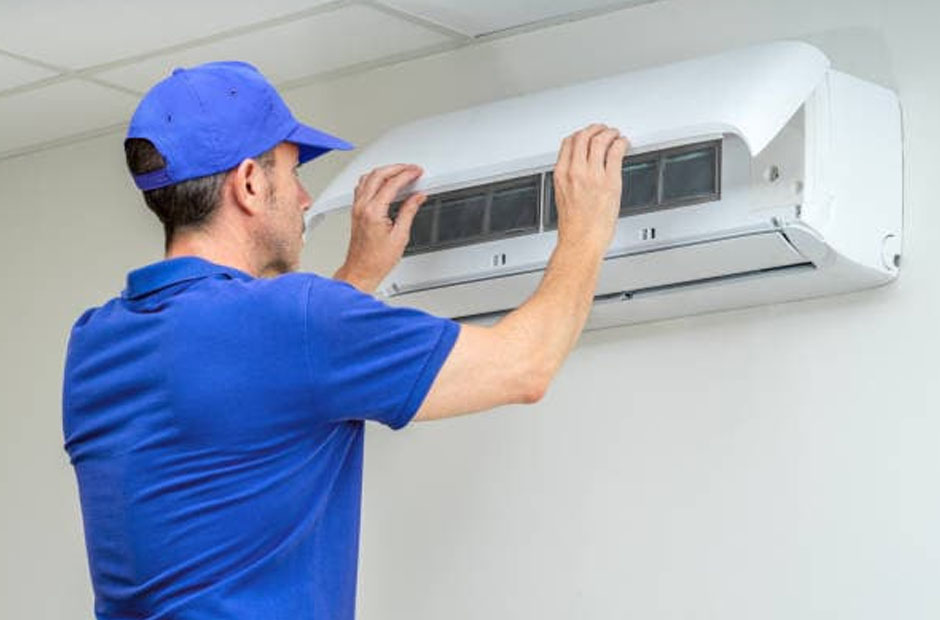
The First Clue Is Often a Change in Behavior
AC units rarely break without notice. It may hum longer than usual, blow air that feels like a lukewarm handshake, or turn on and off so often that it looks undecided. These changes go beyond home irritations. They may indicate airflow, temperature management, moisture removal, electrical, or cooling circuit issues.
Paying attention to unusual behavior can help prevent a small defect from becoming a large repair bill. A dirty filter may restrict air movement and strain the blower. A weak capacitor may leave the outdoor unit struggling to start. A clogged drain may turn a quiet utility closet into a miniature swimming pool. Each symptom tells a different story, and accurate diagnosis matters because replacing the wrong part is about as useful as giving a raincoat to a fish.
Systematic troubleshooting helps narrow down mechanical and electrical issues before components experience total failure.
When unexpected cooling failures happen during warm humid months, quick diagnostic assessments help prevent permanent damage to internal components. Homeowners seeking ac repair in Savannah often rely on professional evaluations to ensure refrigerant lines, electrical connections, and airflow pathways remain fully operational during periods of peak summer demand.
When cooling performance drops unexpectedly, scheduling an air conditioning repair service can help pinpoint hidden system faults, protect major components like the compressor, and ensure consistent indoor comfort during peak temperature periods.
Improve Airflow Before the System Suffocates
Poor airflow is one of the most common reasons an air conditioner fails to cool properly. When return vents or supply registers are blocked by furniture, rugs, dust, or an ambitious collection of houseplants, the system cannot circulate enough air. The indoor coil may become too cold, and restricted movement can cause frost to form where it does not belong.
A clogged filter is another frequent culprit. Filters capture dust and airborne particles, but they eventually become packed with debris. A heavily loaded filter forces the blower motor to work harder while reducing the amount of conditioned air entering the rooms. Replacing the filter with the correct size can restore circulation, although a filter change will not solve deeper problems involving duct leaks, blower damage, or crushed ductwork.
Technicians also inspect the blower assembly, evaporator coil, and duct system when airflow remains weak. A dirty blower wheel may have difficulty pushing air, while a coated evaporator coil can act like a blanket over the cooling surface. Leaking ducts may send chilled air into attics, crawl spaces, or wall cavities instead of the living areas. In those cases, cleaning, sealing, or repairing the affected components may be necessary.
Regular inspection of ductwork and internal coils ensures that airflow remains consistent across every room in the house. When persistent cooling issues arise despite basic routine checks, working with regional specialists like Arnold Air Conditioning, Inc. of Melbourne helps locate hidden system inefficiencies, restoring balanced air distribution and keeping operational strain to a minimum during peak summer temperatures.
Keep the Outdoor Unit From Fighting the Backyard
The outdoor condenser needs room to release heat. If grass clippings, leaves, weeds, cottonwood fluff, or mystery yard debris cover the coil, the unit must work harder to perform its job. The condenser can begin running for long periods, consume more electricity, and struggle during hot weather.
A technician can inspect the coil for compacted dirt and bent fins. Careful cleaning removes buildup without damaging the delicate metal surfaces. Bent fins may also need gentle correction so air can pass through the coil more freely. The surrounding area should remain open enough to support proper ventilation, since an air conditioner cannot breathe well when crowded by shrubs or decorative garden structures.
The outdoor fan deserves attention too. Strange rattling, squealing, or grinding noises may indicate a worn motor, loose panel, damaged blade, or failing bearing. Ignoring these sounds can allow a relatively contained issue to affect the compressor, which is one of the most expensive parts in the system. A quiet condenser is not always a healthy condenser, but a noisy one is certainly asking for an inspection.
Investigate Electrical Trouble Before It Becomes a Fireworks Show
Air conditioners depend on several electrical parts that coordinate startup, operation, and shutdown. Capacitors provide the extra electrical push needed by motors, while contactors help control power to major components. Relays, wiring, circuit boards, and disconnects also play important roles.
A failing capacitor may cause the outdoor fan or compressor to buzz without starting. In some cases, the motor starts slowly or shuts down after overheating. Contact problems can create intermittent operation, producing a system that works perfectly in the morning and behaves like a stubborn mule by afternoon.
Despite system shutdown, stored voltage can be dangerous, so only a specialist should diagnose it. The technician may test voltage, wiring insulation, terminals for heat damage, corrosion, and loose connections during an inspection. Burn marks, burned insulation, swelling capacitors, and frequent breaker trips need repair.
Resetting a breaker may restore operation temporarily, but repeated trips usually point to an underlying fault. Continuing to reset it can place additional strain on the equipment and electrical system. The breaker is not being dramatic. It is attempting to prevent a worse event.
Complex electrical issues should always be evaluated by a professional to ensure safety and system longevity. Consulting an electrician in Grand Forks can help identify faulty wiring, overloaded breakers, or voltage issues that may disrupt cooling performance and create unexpected hazards in the home. Proper evaluation ensures that all electrical components operate safely and support your cooling system effectively.
Protect the Cooling Circuit From Pressure Problems
A balanced refrigerant flow moves heat from interior to outdoors in the refrigeration circuit. The system may run constantly with poor cooling if the charge is too low. Ice can form on refrigerant lines or interior coils, keeping rooms warm after long cycles.
Low refrigerant is usually a symptom rather than the entire problem. A leak in a connection, coil, or line must be located before adding refrigerant. Otherwise, the system may briefly improve and then return to its previous condition. Professionals may use pressure readings, electronic detection equipment, ultraviolet methods, or bubble testing to narrow down the leak location.
Repair decisions depend on the size, position, and age of the equipment. A small accessible leak may be repairable, while a severely corroded coil or repeated leak may make replacement more practical. The system also needs the correct refrigerant type and charge level. Guessing at the amount can lead to poor performance and additional component stress.
Give the Thermostat Better Instructions
The thermostat acts as the air conditioner’s manager. If it sends confusing instructions, the equipment may respond with equally confusing behavior. A blank display may result from dead batteries, a tripped low voltage circuit, loose wiring, or a problem inside the thermostat itself.
Temperature placement also affects performance. A thermostat positioned beside a sunny window, above a warm appliance, or directly in the path of a supply vent may sense a temperature that does not represent the rest of the room. The system can then shut off too early, run too long, or cycle more often than necessary.
Technicians can check thermostat accuracy, wiring, communication signals, and configuration settings. Some systems use communicating controls that must match the indoor and outdoor equipment. If the thermostat is outdated or incompatible, replacing it may solve control problems that cannot be corrected through adjustment alone.
Stop Condensate Water From Making a Mess
Air conditioners remove moisture as they cool indoor air. That moisture collects in a pan and travels through a drain line. Dust, algae, rust, and biological growth can gradually narrow the passage until water backs up.
A blocked drain may cause water around the indoor unit, stains on ceilings, damp insulation, or a musty odor. Many systems include an overflow switch that shuts the equipment down when the pan fills too high. Although an unexpected shutdown is inconvenient, the switch may be preventing serious water damage.
Drain service can include clearing the line, cleaning the pan, checking the trap, and confirming that water flows correctly. The technician may also inspect the safety switch and surrounding insulation. If the home has persistently high humidity, repairing the drain alone may not solve the comfort problem. Additional humidity control may be needed to reduce that clammy feeling that makes a room seem determined to impersonate a greenhouse.
Know When Strange Sounds Are Useful Evidence
Sounds often provide valuable clues. A clicking noise may occur during normal startup, but repeated clicking without ignition can suggest a control or electrical issue. Bubbling or gurgling may indicate drainage trouble or air in the condensate line. Screeching can point to belt or motor concerns, while grinding may signal bearing damage.
Although wind via a confined hole might make a similar sound, hissing is connected with escaping refrigerant. Rattling may signal a loose panel or a broken fan blade or internal component. Describe when, where, and if the sound changes with system speed to help a technician find the source.
While cooling systems draw most of the attention during summer, heating components often require similar care as seasonal weather shifts. Irregular cycling or unexpected noises during colder months can indicate mechanical issues within a central heating system. Finding a reliable furnace repair service in Richmond ensures heating units operate safely and maintain consistent indoor comfort throughout changing seasons.
FAQ
How can I tell whether my air conditioner has an airflow problem?
Weak air from several vents, uneven room temperatures, long cooling cycles, and ice on the indoor coil can indicate restricted airflow. A dirty filter is a simple possibility, but blocked ducts, a dirty blower, or a damaged fan may also be involved.
Why does my air conditioner run but fail to cool the house?
Possible causes include inadequate airflow, a dirty outdoor coil, a malfunctioning compressor, thermostat trouble, or low refrigerant caused by a leak. Because these problems produce similar symptoms, testing is needed to identify the correct repair.
What does it mean when the outdoor unit hums but does not start?
A failing capacitor, defective contactor, wiring issue, or motor problem may prevent startup. Turning the system on and off repeatedly can increase damage, so the equipment should be inspected rather than treated like a reluctant lawn mower.
Why is water leaking around the indoor air conditioning unit?
A clogged condensate drain, blocked drain pan, frozen coil, damaged condensate pump, or improper installation may allow water to escape. Prompt attention helps protect ceilings, flooring, insulation, and electrical components.
Is ice on the refrigerant line a sign that the system needs more refrigerant?
Ice can occur when refrigerant is low, but restricted airflow can create the same symptom. Adding refrigerant without checking airflow and searching for leaks may hide the actual problem and allow it to return.
Why does my air conditioner keep turning on and off?
Short cycling may result from an oversized system, thermostat placement, restricted airflow, overheating, low refrigerant, or electrical trouble. Frequent cycling increases wear and prevents the system from removing humidity effectively.