In Las Vegas, luxury is not simply a matter of square footage, a dramatic entry, or a premium address. A home can look exceptional in listing photos yet fall short in daily life if its outdoor areas lack shade, its kitchen cannot handle a dinner party, or its technology is difficult to use. The most satisfying properties balance visual impact with comfort, privacy, and practical upkeep.
Buyers comparing Las Vegas Custom Luxury Homes for Sale can use Gavin Ernstone’s inventory resource to explore design-led residences and current options across the Las Vegas Valley. As a luxury real estate professional with longstanding experience in the local market, Gavin Ernstone provides a useful perspective for buyers evaluating distinct high-end settings in Summerlin, Henderson, and surrounding communities, where location can matter as much as architecture.
Start With the Community, Not the Floor Plan
A remarkable floor plan cannot compensate for a location that does not fit your life. In Las Vegas, the community affects privacy, views, access, security procedures, traffic, and the atmosphere you experience every time you come home. A guard-gated enclave may suit a buyer who values controlled entry and a quieter streetscape, while a high-rise residence may appeal to someone who wants a lock-and-leave lifestyle closer to dining, entertainment, and major events. Larger suburban lots can offer space and separation, but may also require more exterior maintenance.
Before falling in love with a home, spend time learning how the neighborhood works.
- Drive through at morning, afternoon, and evening to observe traffic, noise, and sunlight.
- Review HOA rules, fees, architectural restrictions, and maintenance responsibilities.
- Ask about planned construction, vacant parcels, and nearby zoning that could affect views or privacy.
- Check realistic travel times to the airport, medical services, work, restaurants, and family.
Design for Desert Living
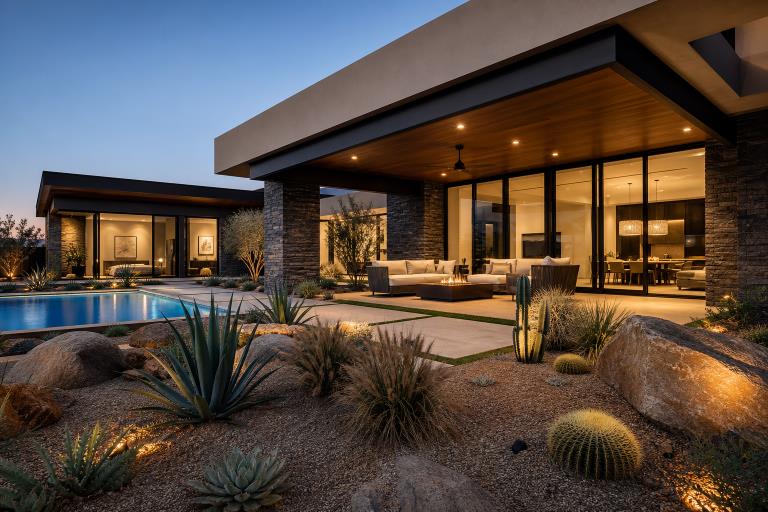
Las Vegas homes must contend with intense sun, summer heat, dust, and water-conscious landscaping needs. Good desert design begins with orientation. Deep roof overhangs, covered patios, exterior shade systems, insulated roofs, and thoughtfully selected windows can help reduce direct sun exposure and make rooms feel more comfortable. Large glass openings can be beautiful, but west-facing glass without a shade strategy may create glare and unnecessary heat gain.
Landscape planning deserves equal attention. A home should have irrigation that is easy to monitor, plant selections suited to local conditions, and hardscape that does not become an ongoing repair project. The Southern Nevada Water Authority offers guidance on water-smart landscaping and seasonal watering practices, which can help owners make more informed choices about outdoor design and maintenance.
Make Outdoor Areas Work Beyond the Pool
An outdoor space becomes valuable when it serves more than one purpose. Look for a covered lounge that works for a quiet morning coffee, an outdoor dining area with convenient kitchen access, and flexible seating for larger gatherings. Fire features, ceiling fans, misting systems, heaters, and layered lighting can improve comfort when the temperature changes.
Views matter, but usability matters more. A patio oriented toward mountain, valley, golf course, or Strip views should still have enough shade, circulation space, and privacy to feel inviting. Avoid judging an exterior solely by its resort-style appearance. Ask whether the space would actually support the way you relax, dine, and entertain.
Plan the Kitchen for Real Entertaining
Luxury kitchens often act as the center of a home, but the best layouts separate presentation from production. A show kitchen can provide a refined setting for guests, while a prep kitchen or scullery keeps dishes, catering supplies, and cleanup out of view. This arrangement is especially useful for buyers who host frequently.
- Is pantry storage sufficient for everyday groceries and entertaining supplies?
- Can multiple people cook without blocking the refrigerator, oven, or island?
- Is there effective ventilation for serious cooking?
- Can food move easily between the indoor kitchen and the outdoor dining area?
- Does the cleanup zone remain discreet when guests are present?
Add Wellness Features With a Clear Purpose
Fitness rooms, steam showers, saunas, cold plunges, massage rooms, and quiet recovery spaces can make a home feel more personal. Still, a wellness feature should match the owner’s actual routines. A compact, well-ventilated workout room used several times each week is more valuable than an elaborate spa wing that remains unused.
For any moisture-heavy feature, confirm that ventilation, drainage, waterproofing, electrical capacity, and service access were considered from the start. These details often determine whether a wellness amenity remains enjoyable or becomes a maintenance concern.
Choose Technology That Fades Into the Background
The most successful smart homes feel effortless. Lighting, motorized shades, climate zones, security cameras, audio, pool equipment, and network coverage should work through clear controls rather than a collection of unrelated apps and remotes. During a tour, test the systems instead of accepting a feature list at face value.
For a custom build, plan equipment rooms, wiring pathways, cooling for electronics, Wi-Fi access points, and future service needs before walls are closed. For resale, ask which systems are included, who services them, whether passwords and accounts can transfer, and whether replacement parts remain available.
Build Privacy and Security Into the Experience
Privacy should feel natural, not defensive. Courtyards, controlled sightlines, layered landscaping, discreet cameras, secure package delivery areas, and well-lit pathways can create a more relaxed home environment. Landscaping can soften views from neighboring properties without unnecessarily blocking a valuable vista.
Review guest parking, gate procedures, camera placement, emergency access, and exterior lighting before purchase. The goal is a home that feels protected while remaining easy for residents, guests, and service professionals to navigate.
Compare Custom Builds With Luxury Resales
A custom build offers greater control over layout, materials, energy features, and technology infrastructure. It also requires patience, strong professional oversight, and decisions that can continue long after the initial design phase. A luxury resale may provide faster occupancy, established landscaping, and a clearer understanding of the finished neighborhood.
For an existing home, complete focused due diligence:
- Inspect HVAC equipment and request available service records.
- Review the roof, windows, pool, exterior finishes, and drainage.
- Test home automation controls, Wi-Fi coverage, and security systems.
- Evaluate water use, irrigation condition, and landscape maintenance needs.
- Confirm permits for additions, conversions, and major improvements.
Understand Ownership Costs and Market Context
The purchase price is only part of the commitment. Build a realistic annual budget for property taxes, insurance, HOA dues, utilities, pool care, landscaping, cleaning, security, repairs, and periodic replacement of major systems. In a large desert home, cooling equipment and exterior maintenance deserve particular attention. Request actual utility bills and vendor records when they are available.
Market data can help frame a decision, but broad averages cannot determine a home’s true value. Compare recent sales and active listings with similar locations, lot sizes, conditions, views, privacy levels, and architectural quality. Nevada’s tax structure may also matter to relocating buyers, although personal tax decisions should always be reviewed with a qualified tax professional.
Questions to Ask Before Buying
- Does this location support my normal routine and travel needs?
- Will the home remain comfortable during the hottest months?
- Are the outdoor spaces shaded, flexible, and manageable?
- Does the kitchen support the way I actually entertain?
- Are the technology systems reliable, intuitive, and serviceable?
- What will ownership realistically cost each year?
- Does the property offer privacy without sacrificing access or views?
- Would a custom build or an established resale better suit my timeline?
Look for Fit, Not Just Flash
The strongest luxury homes in Las Vegas combine memorable design with everyday ease. Rather than choosing the largest home or the most dramatic feature list, choose the property that supports your routines, your maintenance preferences, your need for privacy, and the way you want to enjoy the Las Vegas Valley for years to come.