Key Takeaways
- Prepare vulnerable pipes and outdoor faucets before freezing weather arrives.
- Investigate unexplained water use, damp surfaces, and running toilets promptly.
- Keep drains clear of grease, wipes, yard waste, and other materials that can cause blockages.
- Know the location of the main water shut-off valve before an emergency occurs.
- Call for professional help quickly when water is actively leaking, sewage backs up, or a water heater leaks.
Springdale homeowners can prevent many plumbing emergencies with a few practical checks before freezing nights, heavy rain, or a sudden change in water use. Pipes, drains, water heaters, and outdoor connections all deserve attention because small warning signs can lead to larger repairs if ignored. For homeowners comparing local repair options, plumber Springdale, AR, information from Nwa C&S Plumbing covers common residential concerns, including leak detection, drain cleaning, sewer-line repair, and water heater work. The company serves Springdale and other Northwest Arkansas communities, including Fayetteville, Rogers, and Bentonville, making its website a useful local reference when a plumbing issue needs more than basic maintenance.
Why Springdale Homes Need a Seasonal Plumbing Plan
Northwest Arkansas weather can move quickly between mild conditions, freezing temperatures, rain, and storms. Those shifts can put added stress on pipes in garages, crawl spaces, attics, exterior walls, and other areas that are not fully protected by indoor heat. A short seasonal inspection is usually far easier than dealing with wet drywall, damaged flooring, or an interrupted water supply afterward. It is also useful to stay aware of local utility notices. The Springdale Water winter advisory outlines practical measures for protecting household plumbing during freezing conditions and responding to suspected water loss.
Check the Plumbing System Before Freezing Weather
Start with the parts of the system exposed to cold air. Disconnect garden hoses, drain them, and protect exterior faucets if your home has covers designed for that purpose. A connected hose can trap water at the faucet, increasing the risk of damage during a hard freeze.
- Close crawl-space openings when appropriate and make sure cold air is not blowing directly onto water lines.
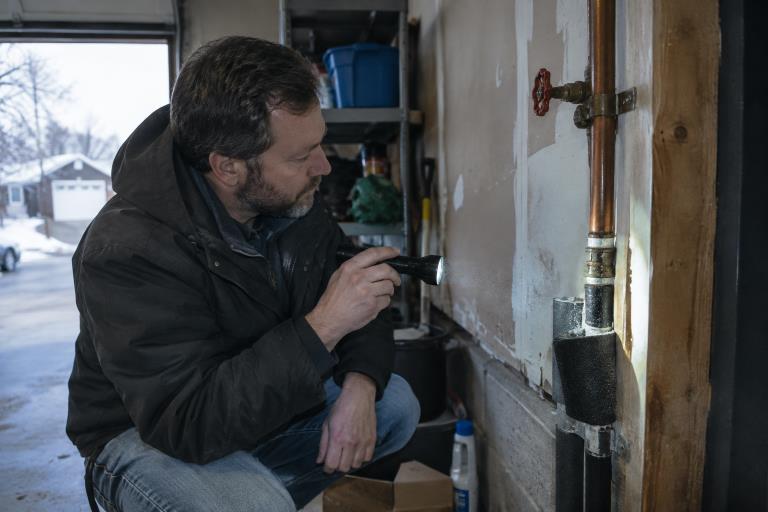
- Insulate accessible pipes in unheated garages, attics, or exterior-wall areas.
- Open cabinet doors below sinks on outside walls so warmer indoor air can circulate.
- Keep the garage door closed during cold weather if plumbing runs through the garage.
Know What to Do If a Pipe Freezes
Weak flow or no water at a fixture can indicate a frozen pipe, particularly when temperatures have recently dropped. Do not assume that a pipe is safe just because it is not visibly split. Take measured steps:
- Leave the affected faucet open slightly if water is still moving.
- Look for frost, bulges, cracks, or damp areas on accessible pipes.
- Warm the surrounding area gradually with safe indoor heat.
- Never use an open flame, torch, or improvised combustion heater near plumbing.
- Shut off the main water supply immediately if a pipe breaks or sprays water.
- Call a qualified plumber if the frozen section cannot be located and thawed safely.
Watch for Hidden Leaks and Higher Water Bills
Not every leak produces a puddle. Water can escape beneath a home, behind a wall, under a slab, or through an intermittently running toilet. A water meter that continues to register water use even when all fixtures are off may warrant further investigation.
A Five-Minute Leak Check
- Turn off faucets, appliances using water, and irrigation controls.
- Check the water meter and note its reading or leak indicator, if present.
- Wait several minutes without using water, then check it again.
- Listen for toilets that refill on their own and inspect beneath sinks for dampness.
- Look at outdoor spigots, hose connections, and visible supply lines.
Musty odors, peeling paint, soft flooring, new stains, or a sudden change in pressure can also warrant a closer inspection. A professional can help determine whether the cause is a fixture, a supply line, a drain problem, or a concealed pipe.
Prepare Drains and Sewer Lines for Heavy Rain
Rainy periods are a good time to look at how water moves around the property. Keep leaves, soil, and yard debris away from exterior drains, and make sure downspouts discharge away from the foundation where practical. Indoors, do not put grease, paint, chemicals, or disposable wipes into household drains. Slow drains, gurgling toilets, sewer odors, and water returning through a tub or floor drain can signal a developing drainage problem. Repeated backups need professional evaluation. Local construction, utility activity, and weather-related scheduling notices may also be posted through the City of Springdale’s utility updates.
Build a Simple Emergency Plumbing Kit
Keep a small kit in an easy-to-reach place so a minor leak does not turn into a frantic search for supplies. Include:
- An adjustable wrench
- A bucket and absorbent towels
- Plungers appropriate for sinks and toilets
- A flashlight with fresh batteries
- Pipe repair tape for short-term water control
- A label for the main water shut-off valve
- Contact information for the water utility and a plumbing professional
Repair tape may help temporarily limit water loss, but it is not a permanent repair for a cracked or leaking pipe.
Decide Which Problems Need Immediate Help
Some issues should not wait for routine scheduling. Seek fast professional help when a pipe bursts, the main shut-off valve will not close, water appears on a ceiling or floor, sewage backs up through a fixture, a water heater leaks from the tank or relief valve area, or a large water loss has no obvious source.
Choose a Qualified Springdale Plumbing Professional
Before approving repairs, ask whether the company is licensed and insured, whether the technician can explain the cause of the problem, and whether you will receive a written estimate. For underground work, ask whether permits, utility marking, or notifications may be required. The right repair should address the source of the issue, not only the visible symptom.
Use a Monthly Plumbing Check
A monthly routine can take less than 15 minutes. Look beneath sinks for moisture, test toilets for silent running, inspect visible shut-off valves and supply lines, and check the water heater for rust, drips, or unusual sounds. Clean faucet aerators when pressure drops, review the water bill for unexpected changes, and walk around the home after heavy rain to look for damp ground or water collecting near the foundation.
Common Questions From Springdale Homeowners
How much water can a dripping faucet waste?
The total depends on the drip rate and how long it continues. Even a slow, constant leak wastes water over time, so a faucet that continues dripping after a normal repair attempt deserves attention.
Should every faucet drip during a freeze?
Not necessarily. Focus on pipes that are especially exposed or have frozen before, and follow local utility guidance. Avoid shutting off water unless you understand how your plumbing system is arranged.
Why does a toilet gurgle when another fixture runs?
Gurgling can indicate restricted drainage, a venting issue, or a developing sewer-line problem. Repeated symptoms should be inspected rather than treated as a one-time nuisance.
When is a plumbing repair a DIY job?
Replacing a showerhead or clearing a minor sink clog may be manageable. Work involving gas lines, sewer lines, buried pipes, soldering, electrical connections, or major water loss is better handled by qualified professionals.
Small Checks Can Prevent Large Repairs in Springdale
Seasonal plumbing care does not need to be complicated. Knowing where the shut-off valve is, watching for changes in water use, and responding early to leaks or drainage trouble can help Springdale homeowners protect their homes through cold snaps, storms, and everyday wear in 2026.
Conclusion
Seasonal plumbing maintenance can help Springdale homeowners catch small problems before they lead to water damage, service interruptions, or costly repairs. Preparing exposed pipes and outdoor faucets for freezing weather, checking for hidden leaks, keeping drains clear, and monitoring unusual changes in water use are simple steps that can make a difference. Homeowners should also know where the main water shut-off valve is and keep basic emergency supplies accessible. When a pipe bursts, sewage backs up, a water heater leaks, or water loss cannot be explained, prompt professional attention is important. By combining regular inspections with timely repairs and sensible preparation for cold weather and heavy rain, homeowners can keep their plumbing systems more reliable throughout the changing seasons.