Designing a captivating backyard requires balancing natural beauty with structural functionality. A truly exceptional landscape goes beyond planting flowers or laying down stone pavers; it weaves plants, hardscaping, and outdoor structures into a unified, harmonious retreat. By combining living flora, durable stone or wood, and architectural framework, you can transform an ordinary yard into a dynamic, multi-dimensional sanctuary that enhances everyday comfort and increases property value.
Balancing Living Flora with Architectural Hardscapes
Achieving visual harmony in an outdoor environment begins with balancing living plants, known as softscapes, with non-living built surfaces, or hardscapes. An overabundance of concrete, tile, or stone can make a yard feel sterile and uninviting, while unmanaged foliage quickly grows untamed and disorganized. Combining structured stone patios or retaining walls with lush greenery creates a grounded, welcoming equilibrium across your landscape.
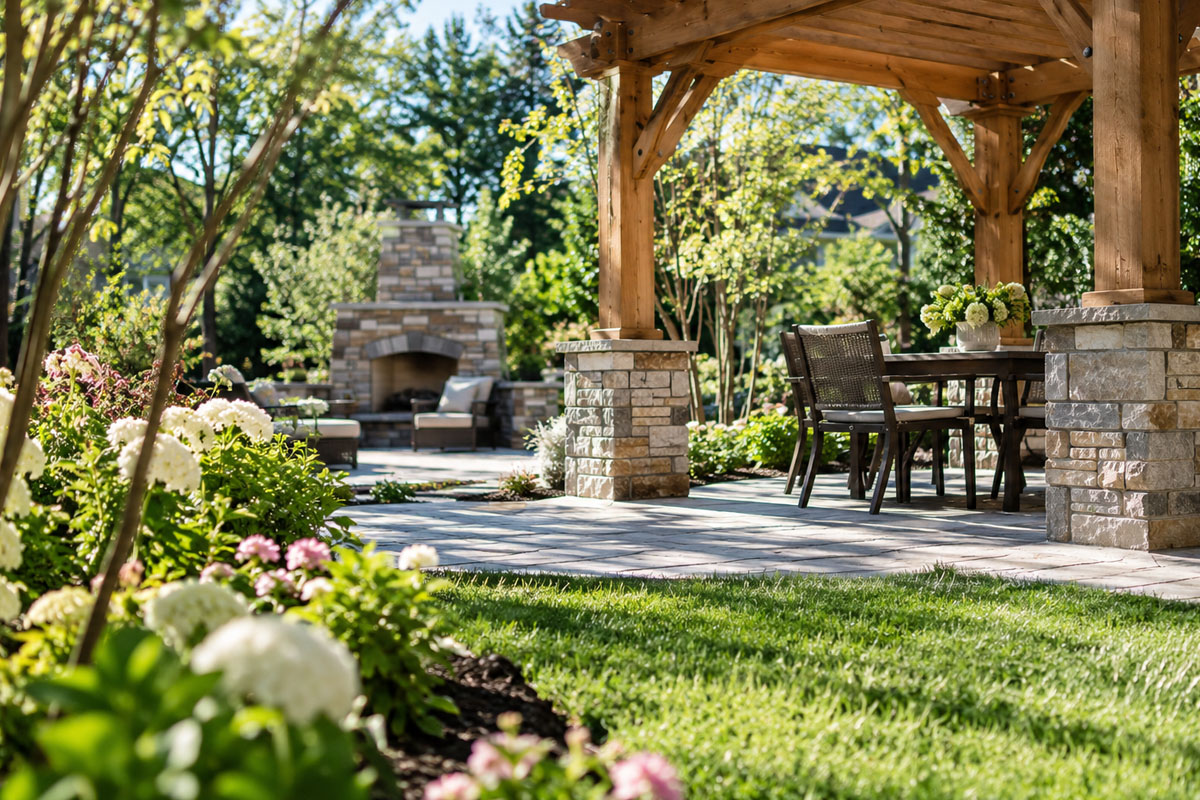
Built hardscapes establish clean geometric lines and functional zones for outdoor dining, lounging, and walking. Surrounding these rigid structures with soft, organic plant shapes softens sharp masonry edges, bringing vibrant color and natural texture to stone surfaces. For instance, framing a modern paver patio with layered perennial borders, ornamental grasses, or trailing ground covers creates a gentle visual transition between man-made features and the surrounding lawn.
Plant selections can also highlight specific architectural hardscapes, drawing attention to key design areas. Tall, vertical plants like Italian cypress or bamboo can frame stone entry pillars, while creeping vines like star jasmine climbing up pergolas weave living nature directly into wood or metal frameworks. Blending plants and hardscapes creates a rich, multi-layered visual experience throughout every season.
Integrating Functional Outdoor Structures for Depth and Shelter
Outdoor structures provide essential shelter, define living spaces, and add vertical architectural interest to flat yard landscapes. Incorporating pavilions, pergolas, gazebos, or cabanas creates covered destinations that encourage family and guests to gather comfortably outdoors. These structures establish outdoor “rooms” that extend the comfort of your interior home directly into nature.
Pergolas offer partial shade while creating open, airy spaces for outdoor dining or lounge seating. Outfitting wooden or aluminum pergolas with climbing vines creates a living canopy that lowers temperatures naturally through evapotranspiration. For full weather protection, solid-roof pavilions shield outdoor furniture, rugs, and electronic entertainment systems from rain and harsh sun, ensuring year-round usability.
Integrating boundary enclosures and decorative screens adds vital privacy and security to your landscape framework. Partnering with a professional fence company in Salt Lake City ensures your property lines are enclosed with durable, stylish fencing that complements your home’s architecture and surrounding garden beds. Combining sturdy boundary structures with climbing foliage or raised planter boxes creates an intimate, secluded backyard retreat.
Utilizing Trellises and Arbors for Vertical Gardening
Installing wooden or metal arbors over garden pathways creates inviting gateway transitions between distinct yard zones. Training flowering climbing plants, such as bougainvillea or climbing roses, across arbor arches adds rich fragrance and vibrant color overhead.
Vertical trellises mounted along blank wall surfaces or fence lines maximize growing space without occupying precious floor footprint. Vertical gardening adds botanical depth, softens structural boundaries, and creates eye-level visual interest across your outdoor living zones.
Designing Shade Solutions for All-Weather Comfort
Incorporating retractable awnings, louvered roof systems, or sail shades allows you to adjust sunlight exposure dynamically throughout the day. Variable shade structures protect outdoor seating areas during peak heat while opening up to capture warm winter rays.
Adding overhead ceiling fans, infrared heaters, and integrated LED lighting beneath solid pavilion roofs ensures your outdoor structure remains comfortable across changing seasons. Climate-controlled shelter extends your outdoor living enjoyment from early morning to late evening.
Blending Water and Fire Features with Natural Greenery
Water and fire elements serve as captivating focal points that bring sensory magic, warmth, and motion to outdoor landscapes. Combining these dynamic elements with surrounding stone masonry and lush plantings creates a resort-like atmosphere that enhances relaxation. The contrast of flickering flames or shimmering water against green foliage elevates the overall aesthetic appeal of your property.
Constructing a stone fire pit or linear fire table surrounded by gravel pathways and deep-seated loungers creates a cozy evening hub. Planting fragrant lavender, ornamental grasses, or low evergreen shrubs around fire features adds soft organic texture while keeping safety clearances clear. The warm glow of firelight reflecting off nearby foliage creates an enchanting, intimate setting for late-night conversations.
Custom water installations—such as fountain urns, weeping stone walls, or swimming pools—introduce cooling benefits and soothing acoustic sounds that mask neighborhood noise. Surrounding aquatic features with smooth river rocks, natural boulders, and water-loving flora embeds water installations naturally into the landscape. Combining fire tables near pool edges produces mesmerizing visual reflections across dark water surfaces at night.
Selecting Low-Maintenance Poolside Plants
Choosing non-shedding, resilient plant species around water features preserves water clarity and reduces poolside cleaning labor. Smooth-leaved succulents, palm varieties, and ornamental grasses thrive near pool decks without dropping messy petals, leaves, or sap into filtration systems.
Avoiding aggressive root systems near water lines protects subterranean plumbing and hardscape footings from damage over time. Thoughtful plant selection keeps aquatic environments clean, pristine, and visually striking with minimal upkeep.
Integrating Natural Rock Outcroppings and Boulders
Incorporating large natural stone boulders along garden slopes, waterfall drops, and raised planter beds bridges the gap between built masonry and soil terrain. Moss-covered rocks or stacked flagstone mimic natural riverbeds, adding rugged charm to man-made features.
Boulders provide structural soil retention while creating natural planting pockets for alpine flora, succulents, and creeping ground covers. Blending stone outcroppings with greenery grounds outdoor features firmly into the surrounding earth.
Managing Environmental Drainage and Sustainable Landscaping
Beyond visual beauty, combining plants, hardscaping, and outdoor structures requires smart environmental engineering to manage rainwater runoff and protect structural foundations. Impermeable built surfaces like solid concrete patios, driveways, and covered roofs prevent rainwater from absorbing naturally into the ground. Without proper drainage integration, cascading water can erode soil, drown garden beds, and damage building footings.
Integrating permeable hardscaping materials—such as interlocking paver systems, gravel walkways, and flagstone set over sand—allows rainwater to filter naturally through joints into underlying water tables. Combining permeable hardscapes with downslope rain gardens captures excess runoff safely during heavy downpours. Rain gardens planted with deep-rooted native perennials absorb standing water rapidly, filtering impurities and nourishing local soil ecosystems.
Constructing terraced retaining walls on sloped yards solves soil erosion challenges while creating level planting beds for shrubs and flowers. Incorporating underground French drains or decorative dry creek beds beneath downspouts channels heavy rainwater safely away from patios and structural footings. Smart groundwater management preserves your hardscape investments while keeping surrounding garden beds healthy and well-hydrated.
Utilizing Rain Barrels and Drip Irrigation Systems
Connecting rain barrels to roof gutter downspouts collects natural rainwater for garden irrigation during dry summer spells. Reusing rainwater conserves municipal water supplies and reduces monthly utility expenses effortlessly.
Installing automated drip irrigation networks delivers water directly to plant root zones, minimizing evaporation loss and overwatering. Smart irrigation technology keeps plants vibrant while optimizing water conservation across your entire landscape.
Incorporating Native Plant Species for Environmental Resilience
Selecting native trees, shrubs, and perennials ensures your garden adapts naturally to local soil conditions and seasonal weather patterns. Native flora requires significantly less fertilizer, pesticide treatment, and supplemental watering than exotic species.
Native gardens attract beneficial pollinators like butterflies, bees, and songbirds, fostering local biodiversity in your backyard. Embracing native plant landscaping creates an eco-friendly, low-maintenance environment that thrives naturally over time.
Layering Smart Outdoor Lighting Across Plants and Structures
Outdoor lighting serves as the ultimate unifying tool that bridges plants, hardscaping, and built structures after dark. A thoughtfully designed landscape lighting plan highlights architectural lines, illuminates pathways for safety, and casts dramatic shadows across plant foliage, turning your yard into an enchanting nightscape. Layering different light fixtures creates visual depth and accentuates key design features.
Uplighting mature tree canopies, stone pillars, or pergola posts creates majestic vertical height across dark yards. Subtle step lights built directly into stone risers, seat walls, and deck stairs ensure safe foot navigation while casting a gentle warm glow over low ground cover plantings. Concealing micro-fixtures beneath hardscape capstones illuminates underlying stone textures softly, avoiding harsh glare.
Highlighting the textural contrast between rough stone surfaces, smooth wood grain, and delicate leaf patterns creates mesmerizing nighttime visual effects. Illuminating water features with submerged LED lights projects shimmering reflections onto surrounding tree canopies and structure roofs. Coordinated outdoor lighting unifies every aspect of your yard, allowing you to enjoy your outdoor retreat comfortably well into the night.
Utilizing Silhouetting and Shadowing Techniques
Positioning spotlights behind dramatic plant forms—such as architectural agaves, weeping maples, or lattice screens—projects striking silhouettes against flat masonry or wood walls. Silhouetting adds artistic drama and visual intrigue to structural surfaces at night.
Casting light forward through moving tree branches projects soft, dancing shadows onto light-colored patio pavers when breezes blow. Creative lighting techniques elevate simple plants and structures into captivating visual features after dark.
Automating Smart Lighting Schedules
Integrating smart lighting transformers enables homeowners to control landscape lighting scenes effortlessly via mobile devices. Programming automated schedules turns pathway lights on at sunset and dims accent lights late at night to conserve electricity.
Customizable color-changing LED fixtures allow you to adjust lighting tones for casual family dinners or lively holiday gatherings. Intelligent lighting automation adds convenience, security, and a magical atmosphere to your outdoor sanctuary.
Conclusion
Creating an extraordinary backyard requires a thoughtful, harmonious synthesis of living plants, structured hardscaping, functional outdoor shelter, and smart lighting. By balancing soft organic greenery with rigid stone and wood features, managing environmental drainage, and layering ambient illumination, you convert a standard yard into an extraordinary multi-dimensional oasis. Investing in a cohesive outdoor design elevates daily living, expands usable home space, and provides an inspiring sanctuary for relaxation and entertainment for years to come.