Living near the coast gives a home plenty of personality. It also gives the roof a daily workout. Salt rides in on the breeze, sunlight lingers like an uninvited dinner guest, and coastal winds occasionally decide to rearrange anything that was not properly secured.
In Oceanside, a roof must do more than look attractive from the street. It needs to manage moisture, resist wind, handle intense sunlight, and support comfortable indoor temperatures. The right design can make a home feel cooler in summer, quieter during storms, and less likely to develop expensive surprises in the attic.
Roof shape, material, color, slope, and ventilation all influence performance. A dramatic roof may look wonderful in a listing photograph, but the best choice is the one that works with the home, the neighborhood, and the coastal environment.
Why Coastal Weather Changes Roofing Decisions
Oceanside homes can have moderate and demanding weather. Marine air contains salt, which accelerates metal corrosion. When left in full sun for years, ultraviolet radiation degrade some roofing materials.
Rain is another factor. Coastal Southern California may not be rainy every week, but a powerful seasonal downpour can reveal drainage problems quickly. Water searches for weak points with the determination of a cat trying to enter a forbidden room. If gutters, flashing, or roof valleys are poorly designed, moisture may find its way beneath the roofing surface.
Wind exposure varies from one property to another. A home close to the beach may experience stronger gusts than a property tucked farther inland. Roofs with secure fastening, properly installed flashing, and sound underlayment are better prepared for those occasional bursts of coastal drama.
Roof Pitch Helps Control Water and Heat
The pitch of a roof impacts water drainage and usable area below. Attic volume and faster drainage are increased by steeper roofs. Traditional, cottage, and craftsman-inspired homes may benefit from their more prominent architectural presence.
Lower sloped roofs seem sleek and fit modern architecture. They need careful drainage. A virtually flat surface needs slope to direct water to drains or edges. The roof may become an unsightly swimming pool if puddles remain after rain.
Pitch also influences heat movement. An attic beneath a sloped roof can become extremely warm without adequate ventilation. Ridge vents, soffit vents, and properly placed insulation help move hot air away from the living space. This can reduce strain on the air conditioner and make upstairs rooms less likely to feel like tropical greenhouses.
Gable Designs Bring Light and Attic Potential
A gable roof can give a home a welcoming silhouette while creating opportunities for windows, attic storage, and cross ventilation. The triangular end walls add visual height, which can make a smaller home appear more spacious.
The open shape may also support better natural airflow when windows or vents are positioned thoughtfully. That said, the broad gable ends can receive strong wind pressure. Secure framing and professional installation matter, particularly for homes in exposed locations.
Asphalt shingles, metal panels, and some tiles work well with gable roofs. Depending on material and trim, the look might be beach cottage or modern hideaway. A delicate roof color may reflect more sunshine, while deeper tones contrast better with light stucco or seaside landscaping.
Hip Roofs Create a Compact Coastal Profile
Hip roofs slope on every side, giving the structure a more enclosed and balanced shape. This design generally presents less vertical surface to gusty weather than a roof with large exposed gable ends. The result is a compact profile that can feel especially appropriate near the coast.
The continuous slope also produces broad eaves, which may help shade windows and exterior walls. Shading reduces direct solar exposure and can help protect paint, siding, and door finishes from fading.
Hip roofs can be especially attractive on ranch style houses, Mediterranean inspired homes, and larger single story properties. Their symmetrical appearance gives the home a calm, grounded look, as if it has already made peace with the weather.
Flat and Low Slope Roofs Need Excellent Drainage
Flat roofs are popular for contemporary homes, accessory dwelling units, garages, and additions. Their simple lines can make a property look sleek and architectural, while the surface may accommodate solar equipment or a rooftop seating area when the structure and local rules allow it.
The word flat is slightly misleading because successful flat roofs are designed with a subtle slope. That slope guides water toward drains, scuppers, or collection points. Without reliable drainage, standing water can shorten the life of the membrane and increase the chance of leaks.
These roofs need regular penetration, vent, seam, and flashing inspections. A storm can turn a little pipe opening into a lively indoor waterfall. In sunny weather, reflective roofing membranes and light-colored surfaces may reduce heat absorption.
Tile Offers Texture and Long Term Durability
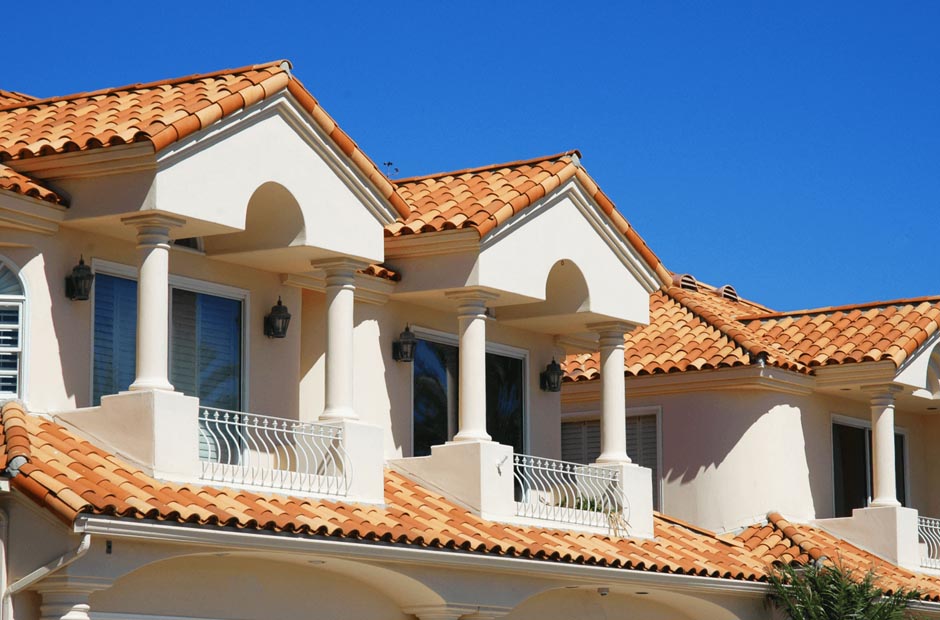
Tile roofing remains a familiar sight in coastal neighborhoods because it combines visual character with impressive resistance to heat and moisture. Clay tile can provide a warm Mediterranean appearance, while concrete tile offers a wide range of shapes and colors.
Tile is durable, but it is not indestructible. Individual pieces can crack after impact or become displaced if installation is poor. Walking across tile without proper care can also cause damage. Inspections should include the underlayment beneath the tiles because that hidden layer performs much of the water protection work.
The weight of tile must be considered before installation. The supporting structure needs to be capable of carrying the load. Tile also creates a textured roof surface that can add depth and shadow, giving a simple home more visual interest without resorting to architectural acrobatics.
Metal Roofing Brings a Modern Option
Metal roofing has become increasingly popular for homeowners seeking a clean appearance and long service life. Standing seam panels create narrow vertical lines that complement modern, minimalist, and industrial inspired homes. Metal can also be formed and finished in styles that resemble other materials.
Coastal applications require attention to corrosion resistance. Fasteners, flashing, coatings, and nearby metal fixtures should be selected for marine conditions. Galvanized or specially coated products may perform better than ordinary materials in salty air.
Depending on finish and color, metal roofs reflect a lot of solar energy. Although attic insulation and roof decking lessen rain noise, metal may be louder. Some homeowners find the sound relaxing. Some say it sounds like a percussion concert above the bedroom.
Roofing Color Influences Energy Use
Roof color affects how much sunlight the surface absorbs. Dark materials generally become hotter in direct sun, while lighter colors reflect more solar radiation. This does not mean every Oceanside home needs a bright white roof. A carefully selected tan, gray, muted green, or light terracotta can balance energy performance with neighborhood character.
The roof should match external walls, trim, windows, and landscape. Under bright afternoon light, a color that appears good on a small sample may look terrible on a large roof. Viewing samples outdoors is more dependable than choosing under showroom lighting that flatters everything.
Maintenance Protects the Investment
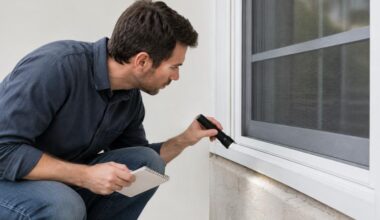
Routine maintenance helps even well-designed roofs. Homeowners should check for cracked or missing materials, congested drainage routes, broken flashing, moss or algae development, and inside wetness. Unexpected ceiling stains should be addressed before they become a larger art project.
Trees should be trimmed so branches do not scrape the roof or drop heavy debris. Gutters and downspouts need to remain clear, especially before the rainy season. Ventilation openings should not be blocked by insulation, nests, or accumulated dust.
Professional inspections are useful after major wind events and when a property changes ownership. Early repairs are usually more manageable than waiting until water has reached insulation, framing, drywall, and electrical components.
Taking care of minor issues promptly helps preserve structural integrity and prevents costly structural repairs over time. Homeowners who want to maintain their property value often get roofing information from Dynasty Roofing to better understand appropriate material choices and routine care requirements for long-term weather resistance.
FAQ
Which roof style is best for a windy coastal home?
Hip roofs are effective in windy areas because their sloped sides create a balanced design with fewer huge vertical surfaces. Construction quality is equally important as roof style. Wind resistance comes from secure fastening, solid framing, strong flashing, and adequate underlayment.
Are tile roofs practical near the ocean?
Yes, tile roofs can perform well in coastal environments when the tile, underlayment, fasteners, and flashing are selected correctly. The roof structure must also support the material’s weight. Regular inspections can identify cracked or shifted tiles before moisture reaches the layers beneath.
Can a flat roof support solar panels?
A flat or low slope roof can often accommodate solar panels, but the structure, membrane, drainage layout, and mounting system must be evaluated first. Panels should not block drains or create areas where water collects. Proper installation protects both the roofing surface and the equipment.
What roof color works well in sunny Oceanside neighborhoods?
Light and medium roof colors absorb less heat than dark ones. Soft gray, sand, mild brown, muted terracotta, and other reflective tones balance energy performance and esthetics. Best decision relies on home’s exterior materials and architecture.
How often should a coastal roof be inspected?
A roof should be checked at least periodically, with additional inspections after strong winds, heavy rain, or visible damage. Homes close to the ocean may benefit from closer attention to metal components, flashing, and fasteners because salt exposure can accelerate corrosion.