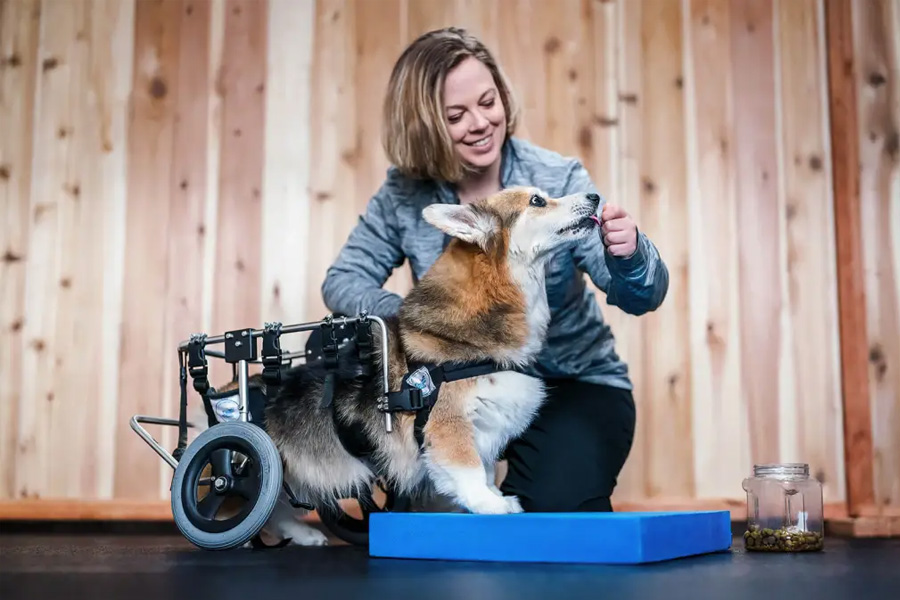
As dogs get older, recover from an injury, or develop mobility problems, physical therapy and rehabilitation may help them stay active and comfortable. If you’re looking for canine rehabilitation in Portland, there are several local resources worth knowing about.
What Canine Rehabilitation Can Help With
Canine physical therapy uses exercises and other rehabilitation techniques to help dogs improve strength, mobility, balance, and overall function. It may be recommended for dogs recovering from surgery or injury, as well as senior dogs experiencing age-related changes.
Your veterinarian can help determine whether rehabilitation is appropriate for your dog and what type of care may be helpful.
Canine Rehabilitation in Portland
- Canine PT & Me – Located in Southeast Portland, Canine PT & Me provides canine physical therapy and rehabilitation for dogs with mobility issues, injuries, and age-related changes. They also offer mobile services in the Portland area.
- Back on Track Veterinary Rehabilitation Center, LLC – They provide physical therapy and rehabilitation for dogs and cats, including individualized treatments and acupuncture.
- Amicus Animal Rehabilitation – Serves the Portland metro area with mobile physical therapy and rehabilitation for dogs and cats.
- Healing Arts Animal Care – Located in Beaverton, Healing Arts Animal Care offers pet rehabilitation and physical therapy, including therapeutic exercise, massage, laser therapy, and underwater treadmill therapy.
These are just a few of the rehabilitation resources available around Portland. The Oregon Veterinary Medical Association and local veterinary organizations also maintain referral and rehabilitation resources that can help you find additional providers.
Focus on What Your Dog Can Still Enjoy
Canine rehabilitation isn’t always about fixing a problem completely. For an older dog, success might mean being able to walk around the neighborhood more comfortably, get up without struggling, or spend more time participating in family activities.
Pay attention to the small changes. If your dog seems uncomfortable or is having trouble with activities they once handled easily, talk with your veterinarian about what might be causing the change and whether rehabilitation could help.
When Rehabilitation Isn’t the Answer
Rehabilitation can be a helpful part of care, but it’s not always about getting a dog back to where they were before. For dogs with progressive health conditions, the focus may eventually shift from improving mobility to keeping them comfortable and helping them enjoy the things they still can.
When the time comes and you need to consider end-of-life care options for your dog, it can help to understand what’s available and talk with your veterinarian about what may be right for your dog.
Ask about palliative care for your dog with terminal cancer, or if you’re wondering when to put down a dog with heart disease, talk with your veterinarian about your dog’s quality of life and what changes to look for.
And if your dog’s health continues to decline despite supportive care, it’s okay to start thinking about what comes next. Planning ahead can make an emotional time a little easier. Consider researching local aftercare providers, learning about the options they offer, and finding a provider you feel comfortable turning to when the time comes. You can also explore dog cremation in Portland, to learn more about the options available for your pet.