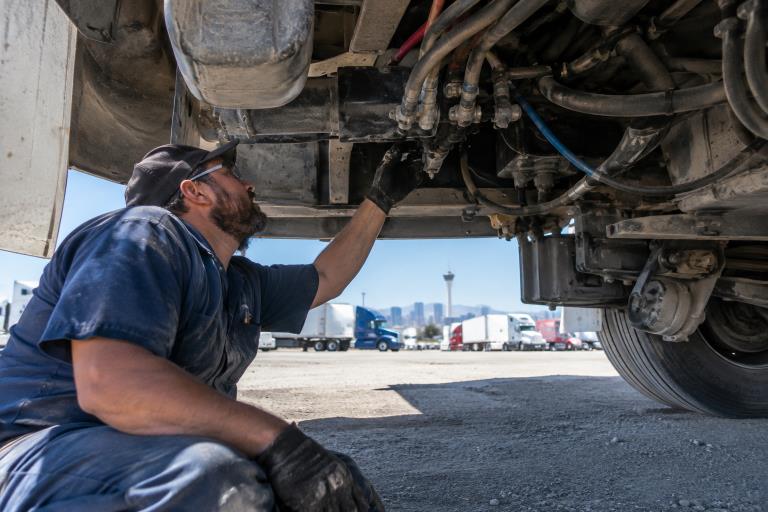
Las Vegas fleets work in conditions that can be demanding on equipment. Long highway runs, heavy construction activity, dry desert air, intense summer heat, and occasional dust or rain can all make consistent maintenance more important. A dependable plan for inspections and replacement parts helps owner-operators, repair shops, and fleet managers keep trucks and trailers ready for the next route.
Whether a vehicle serves local contractors, warehouse deliveries, hospitality suppliers, or regional freight lanes, access to truck parts Las Vegas can support faster repairs when routine wear turns into a service issue. The best approach is not simply replacing what breaks. It is identifying, developing problems early, documenting them clearly, and fixing the cause before downtime grows.
Why Parts Maintenance Matters In Las Vegas
A small leak, loose connector, worn bushing, or damaged hose can become a larger repair if it is ignored. In Las Vegas, where dispatch schedules often depend on quick turnarounds and the desert heat intensifies equipment stress, an unexpected roadside stop can disrupt drivers, customers, and shop workloads. Preventive maintenance gives teams more control over when and where repairs happen.
Maintenance also supports safer operation. Commercial vehicles should not be placed in service when their condition is likely to cause an accident or breakdown, and federal inspection and repair guidance explains the importance of documenting discovered defects. A clear inspection process helps ensure that reported concerns are not lost between drivers, dispatch, and technicians.
Start With A Simple Inspection Plan
A useful process does not require complicated software. It requires consistency. Build a short inspection routine around the same equipment areas, then record what was found and what action is needed.
- Review recent repair orders for repeat concerns.
- Complete a walk-around before the vehicle leaves the yard.
- Check for leaks, loose hardware, damaged wiring, and unusual wear.
- Test lights, tires, brakes, trailer connections, and safety equipment.
- Record defects with the vehicle number, date, mileage, and photos when helpful.
- Assign each repair a priority before dispatching the vehicle.
High-Priority Truck And Trailer Systems
Brakes And Air Systems
Inspect brake components, air lines, fittings, chambers, hoses, and visible hardware for damage or leakage. Slow pressure buildup, air loss, or unusual brake performance deserves prompt attention. Follow the vehicle and component manufacturer’s service procedures rather than relying on a generic replacement interval.
Tires, Wheels, And Hubs
Check inflation, tread condition, sidewall damage, valve stems, lug hardware, and hub seals. Uneven tire wear may point to an alignment issue, worn suspension components, or loading practices that need review. In Las Vegas, tire checks are especially valuable before a loaded trip across hot pavement or a long regional run, as the intense desert heat accelerates tire wear and increases blowout risk.
Lights And Electrical Parts
Visibility and trailer communication depend on sound lamps, connectors, grounds, harnesses, batteries, and charging components. Corrosion, cracked insulation, loose plugs, and intermittent signals are easier to address in the yard than at a delivery location after dark.
Suspension And Steering
Look at shocks, air springs, leaf springs, bushings, tie rods, mounting points, and fasteners. Sagging, abnormal noise, wandering, poor handling, or recurring tire wear can indicate that a closer inspection is needed. These components can influence cargo stability, driver comfort, and tire life.
How To Choose Replacement Parts
Part selection should be based on fit and specifications, not price alone. A replacement that physically installs but does not meet the proper load, electrical, temperature, or operating requirements can create another repair problem.
- Confirm application details: Match the part to the truck or trailer’s configuration, including model year, axle, engine, and system type.
- Review ratings: Compare dimensions, materials, capacities, and electrical requirements.
- Consider service life: A lower upfront price is not always the lower long-term operating cost.
- Check warranty requirements: Understand coverage limits and any installation conditions.
- Ask for qualified input: A technician can help prevent an incorrect or incompatible selection.
Managing A Useful Parts Inventory
Las Vegas operations can benefit from stocking fast-moving, broadly compatible items without filling shelves with slow-moving inventory. Focus on parts that help resolve common issues quickly, such as lamps, fuses, connectors, wiring supplies, air-line fittings, seals, filters, belts, hoses, clamps, and standard fasteners. Because Las Vegas experiences extreme heat and occasional dust storms, prioritize cooling-system components, air filters, and electrical connectors that resist corrosion.
Track how often each item is used, set minimum and maximum quantities, label parts by application, and remove damaged or obsolete stock. Review inventory after adding equipment, changing routes, or entering a new season. This keeps capital focused on items that are genuinely useful to the fleet.
Use Maintenance Data To Plan Repairs
Simple records can reveal trends before they become major failures. Track repair frequency by vehicle, system, and part number. Compare roadside repairs with planned shop repairs, record labor time and parts cost, and note whether the concern returned after service.
Ask practical questions: Which units need repeated brake work? Are particular trailers developing electrical problems? Do certain routes create extra tire or suspension wear? Are parts failing because of normal wear, impact damage, installation issues, or an unresolved system problem? The answers can guide better inspection intervals and purchasing decisions.
Common Maintenance Mistakes To Avoid
- Replacing a failed component without finding the reason it failed.
- Using a part that fits physically but lacks the required rating.
- Ignoring minor fluid, air, or electrical leaks.
- Skipping fastener and follow-up checks after wheel or suspension work.
- Failing to document inspections and completed repairs.
- Waiting for a breakdown before ordering frequently used parts.
Seasonal Parts Checklist For Las Vegas Climate
Before Hot Weather
- Inspect cooling-system components, belts, hoses, and batteries.
- Check tire pressures regularly and examine rubber components for cracking from desert heat exposure.
- Verify that air-conditioning and cab ventilation systems are functioning as intended.
- Replace air filters more frequently due to dust and debris from Las Vegas’s arid environment.
Before Cooler Or Wet Conditions
- Test lights, defrosters, heaters, batteries, and electrical connections.
- Inspect seals and air lines for brittleness or damage.
- Review fluids and filters according to the manufacturer’s maintenance schedule.
Before Long-Distance Work
Complete a thorough walk-around, verify emergency tools and spare supplies, and check trailer connections, safety equipment, lighting, and brake operation. Before dispatch, use recall and safety-defect resources for commercial truckers to check whether equipment may need attention.
Common Questions From Truck And Trailer Owners
How Often Should Parts Be Inspected?
Inspection frequency depends on mileage, loads, routes, weather, vehicle age, and manufacturer recommendations. Daily walk-arounds are useful, but they should support scheduled preventive maintenance rather than replace it.
Should A Fleet Use Original-Equipment Or Aftermarket Parts?
Either option may be appropriate when the part meets the correct specifications and application requirements. Safety-system compatibility, warranty terms, availability, and qualified technician approval should shape the decision.
When Should A Vehicle Be Removed From Service?
A vehicle should not operate when a defect affects braking, steering, tires, lighting, safe coupling, structural integrity, or another critical safety system. A qualified technician should determine when the unit is ready to return to service.
Final Takeaway
A strong Las Vegas truck and trailer maintenance plan is practical, repeatable, and built around local operating conditions. The desert climate, intense summer heat, and demanding freight lanes throughout Nevada require equipment to be in peak condition. Inspect equipment regularly, document what is found, choose properly matched parts, and repair concerns before they become disruptive failures. Consistent attention to the basics can help fleets protect uptime, control repair decisions, and support safer work throughout Southern Nevada.