Key Takeaways
- Move out of traffic only if it is safe and will not worsen an injury.
- Call 911, request medical help, and report the crash.
- Collect photographs, witness information, vehicle details, and records when possible.
- Do not guess about fault or minimize symptoms during early insurance conversations.
- Crossing outside a crosswalk may matter, but it does not automatically make the pedestrian fully responsible.
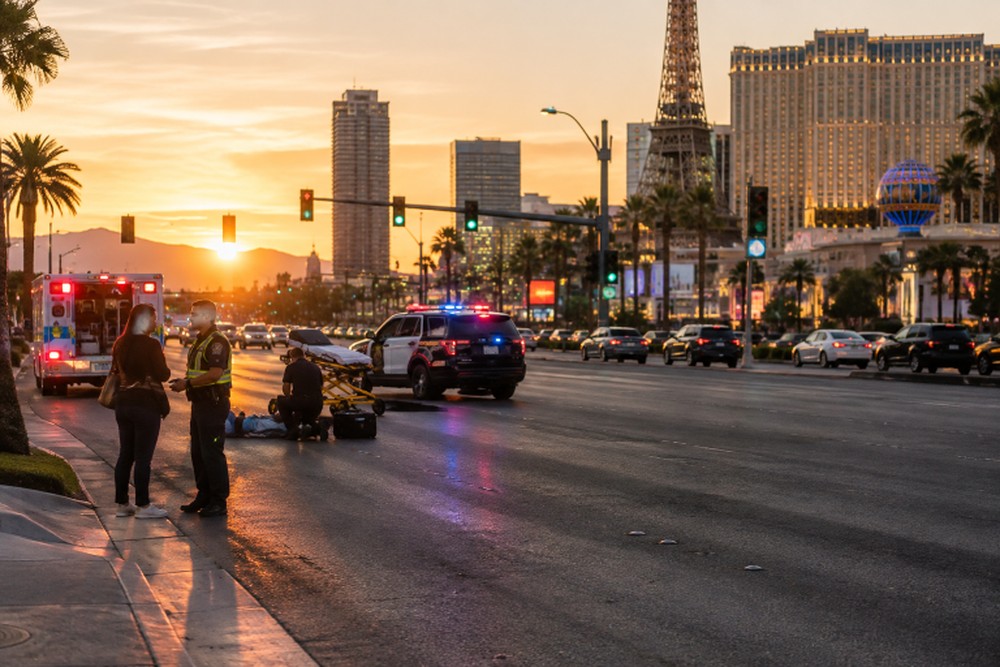
A pedestrian crash in Las Vegas can be disorienting, especially on wide, multilane roads, near resort corridors, parking lot entrances, or intersections where traffic moves quickly. Being outside a marked crosswalk can affect how the incident is evaluated, but it does not answer every question about responsibility, injuries, insurance, or recovery. People seeking Las Vegas pedestrian injury claim assistance should focus first on immediate safety, medical care, and preserving accurate information.
The first hours matter because pain and symptoms may not be obvious immediately after an impact. A calm, organized response can help protect a person’s health and preserve details that may later be important to police, insurers, medical providers, and anyone evaluating what occurred.
Why the First Hours Matter
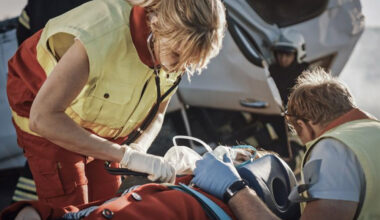
After a collision, adrenaline and shock can make it difficult to assess pain clearly. A person may feel able to stand at the scene but later experience headache, dizziness, neck pain, bruising, or difficulty walking. Prompt medical documentation can link reported symptoms to the crash and help providers identify injuries that need treatment.
Crash scenes also change quickly. Vehicles leave, debris is cleared, witnesses depart, and nearby video systems may overwrite recordings. In Las Vegas, conditions such as nighttime lighting, glare, heavy traffic, construction, valet zones, and roadway design can all be relevant details worth recording.
Step One: Reach a Safe Location
If there may be a serious head, neck, back, pelvic, or leg injury, avoid moving unless remaining in place presents an immediate danger. Tell 911 about the injury and follow dispatcher instructions. If movement is safe, get away from active travel lanes and avoid standing where other drivers may not see you. Bystanders should keep a safe distance from traffic rather than creating a second hazard.
Step Two: Call 911 and Request Help
Call 911 to request police and emergency medical assistance. Give the exact location or nearest intersection, explain whether anyone is injured, identify any immediate hazards, and say whether the driver remained at the scene. When available, save the report number and the responding agency’s information. A police report may preserve the basic time, location, involved parties, and initial observations.
Step Three: Obtain a Complete Medical Evaluation
Pedestrian impacts can cause injuries ranging from cuts and sprains to fractures, concussions, or internal injuries. Attend recommended follow-up appointments, take prescribed medication as directed, and report new or worsening symptoms. Keep a simple treatment log with appointment dates, symptoms, prescriptions, transportation costs, and time missed from work.
Step Four: Document the Scene Safely
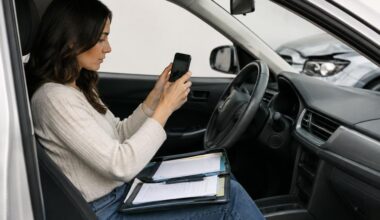
Take photographs or short videos only if it is safe to do so. Useful details include the vehicle, license plate, visible damage, roadway lanes, traffic signals, nearby signs, lighting, weather, skid marks, debris, clothing damage, and visible injuries. Note nearby businesses, residences, buses, hotels, or other locations that may have cameras facing the area.
Step Five: Gather Driver and Witness Information
Ask the driver for their name, contact information, insurance details, and vehicle information. If witnesses are willing, obtain their names and phone numbers. A witness may remember whether a vehicle was turning, how traffic was moving, whether headlights were on, or whether the pedestrian was visible before impact. Avoid arguing at the scene or making accusations while facts are still unclear.
Step Six: Be Careful With Insurance Calls
An insurer may contact an injured person soon after the crash. It is reasonable to provide basic identifying and crash information, but avoid estimating speed, distance, visibility, or fault when you do not know. Do not describe yourself as “fine” simply because you have not yet received a full medical evaluation. Read any proposed release or settlement document carefully before signing it.
Step Seven: Preserve Evidence After Leaving the Scene
Place the clothing and shoes worn during the crash in a clean, dry location instead of washing or discarding them. Keep damaged glasses, bags, phones, or other personal items. Save medical bills, discharge instructions, test results, prescription receipts, wage records, and communications with insurers. Write a timeline of what happened while the sequence remains fresh in your memory, and promptly ask nearby property owners to preserve relevant video.
What if the Driver Leaves the Scene?
A hit-and-run does not eliminate the need to act quickly. Report the crash immediately and provide every detail you recall, including the vehicle’s color, make, model, direction of travel, partial plate number, visible damage, and any distinguishing features. Witnesses, nearby cameras, rideshare vehicles, and local businesses may provide information that helps identify the vehicle.
How Fault May Be Evaluated in Nevada
Under Nevada rules for pedestrians, crossing outside a crosswalk generally requires yielding to vehicles. The law also limits crossing between adjacent signal-controlled intersections except at a marked crosswalk. Those rules are important, but they are only part of the factual analysis after a crash.
Investigators and insurers may consider driver attention, speed, turning movements, visibility, lighting, traffic controls, pedestrian actions, road conditions, witness accounts, and available video. Nevada’s comparative negligence law allows an injured person to recover when their negligence is not greater than that of the parties from whom recovery is sought. A police report, an insurance decision, and a final legal outcome are not necessarily the same thing.
Common Questions After a Pedestrian Crash
Should a crash be reported if the injury seems minor?
Yes. Reporting the incident creates a record and may help preserve identifying information. Some injuries become more apparent later.
Can a pedestrian still have a claim if they crossed outside a crosswalk?
Possibly. The answer depends on the full circumstances, including the conduct of the pedestrian, driver, and any other party that may have contributed to the crash.
How long should records be kept?
Keep crash reports, photographs, medical records, receipts, wage information, insurance letters, and contact details until the matter is completely resolved. Digital backups can prevent accidental loss.
Conclusion
Being hit outside a crosswalk in Las Vegas can create difficult questions, but the immediate priorities remain straightforward: get safe, call 911, obtain medical care, document what can be documented, and preserve records. The location of the pedestrian matters, but a careful review of all available evidence is necessary before anyone reaches a reliable conclusion about fault or next steps.