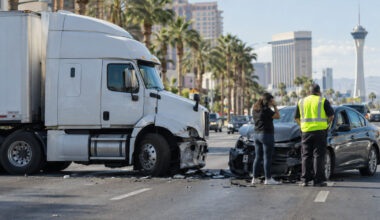
A collision can turn an ordinary Atlanta commute into a confusing, stressful day in seconds. Whether it happens on the Downtown Connector, a neighborhood street in Decatur, or a busy suburban intersection, the priorities are safety, medical care, and creating a clear record of what occurred.
This guide offers general steps for people dealing with the aftermath of a crash in Atlanta. When injuries, disputed fault, or insurance issues make the situation more complicated, speaking with a personal injury lawyer Atlanta residents can consult may help clarify the options available to them.
What to Do in the First Few Minutes
Take a breath and focus on immediate hazards. If the vehicle can be moved safely, get it out of active traffic and turn on the hazard lights. On fast-moving Atlanta roads, remaining in a travel lane can create another danger. Call 911 when someone is injured, vehicles are blocking traffic, or emergency assistance is needed. Follow instructions from law enforcement and emergency responders.
Exchange basic information with the other driver, including names, contact details, insurance information, license plate numbers, and vehicle descriptions. Do not argue about blame or apologize for the crash. A calm statement of facts is usually more useful than trying to resolve the fault at the roadside.
Why Medical Care Should Come First
Some crash-related symptoms are immediately apparent, while others may become noticeable later. Seek emergency care for urgent symptoms and arrange a medical evaluation when pain, dizziness, numbness, headaches, or other concerns develop. Explain that the symptoms followed a collision and describe when they began.
Follow the treatment plan provided by qualified medical professionals, attend recommended follow-up visits, and keep a simple daily note about pain levels, medication, sleep problems, mobility limits, and missed activities. Medical records and contemporaneous notes can help show how an injury affected everyday life. Stopping treatment without medical guidance may also make it harder to understand whether symptoms improved, worsened, or remained unresolved.
How to Preserve Useful Evidence
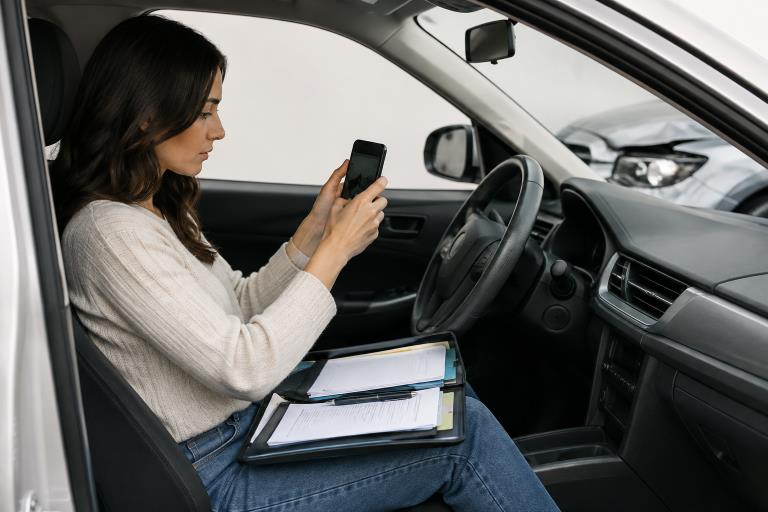
Evidence can disappear quickly after a collision. If it is safe to do so, use a phone to photograph the overall scene before vehicles are moved, then take closer images of damage and other relevant details. Atlanta weather, traffic congestion, lane markings, construction zones, lighting, and intersections can all provide useful context.
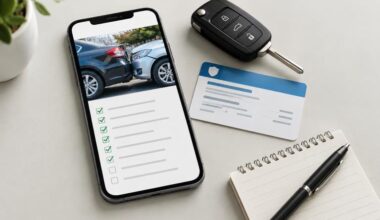
Evidence Checklist
- Photos of every involved vehicle, visible injuries, and damaged personal property.
- Images of traffic lights, signs, lane markings, road conditions, and debris.
- Names and contact details for witnesses.
- Dashcam footage, cellphone video, or security footage from nearby businesses.
- Notes identifying the date, time, location, weather, and sequence of events.
- Damaged helmets, clothing, child seats, or other physical items connected to the crash.
Nearby video may be overwritten as part of a business’s regular recording process. Identify possible cameras promptly and ask the owner or manager to preserve any relevant footage. Keep original photos and videos whenever possible, rather than relying solely on edited copies or social media posts.
Getting the Crash Report and Other Records
An official report may provide helpful details such as the location, the parties involved, vehicle information, and the responding agency. It may not include every fact or resolve every dispute, so preserve your own documentation too. Georgia drivers can review options for requesting a crash report through the Georgia Department of Transportation.
Records to Keep in One Place
- The crash report and any supplemental reports.
- Emergency medical, hospital, imaging, therapy, and prescription records.
- Vehicle photographs, repair estimates, towing receipts, and rental records.
- Insurance letters, claim numbers, emails, and payment offers.
- Work records showing missed shifts, reduced hours, or time away for appointments.
Speaking With Insurance Companies
Insurance adjusters gather information to evaluate claims. Be truthful, but keep communications factual and avoid guessing about speed, distance, future medical needs, or who was at fault. Save every written communication and, after telephone calls, make a note of the date, the representative’s name, and the claim number.
Be careful with recorded statements, broad medical authorizations, and settlement releases. A release can affect future claims connected to the collision, so it is sensible to understand what the document covers before signing. A quick offer may not reflect costs that are still developing.
Tracking Costs and Lost Income
A simple folder, spreadsheet, or phone note can make the financial consequences of a collision easier to follow. Keep receipts and bills even when the amount seems small. Transportation, pharmacy purchases, and household help can add up while someone is recovering.
- Medical bills, co-pays, therapy expenses, and medications.
- Transportation to appointments and parking costs.
- Vehicle repairs, towing, storage, and replacement transportation.
- Lost wages, missed workdays, and reduced hours.
- Child care, home assistance, or medical equipment made necessary by injuries.
Common Mistakes to Avoid
Stress can lead people to make avoidable choices after a crash. Try not to delay needed medical attention, discard damaged property, post detailed crash comments online, or give inconsistent accounts of what happened. Avoid accepting payment before considering whether treatment, vehicle issues, or lost income may continue. Also respond promptly to correspondence about insurance coverage, records, or deadlines.
When Professional Guidance May Help
Extra guidance may be especially useful when injuries are serious, fault is contested, multiple vehicles are involved, or an insurer denies responsibility. The same is true for crashes involving commercial trucks, rideshare vehicles, delivery drivers, government vehicles, uninsured motorists, or claims involving a fatal injury. A consultation can help a person organize records, identify questions to ask, and understand possible next steps.
Frequently Asked Questions
Should a minor crash still be reported?
Reporting can create an official record and may be important when injuries or damage become clearer later. Follow directions from responding officers and applicable Georgia reporting requirements.
What if pain starts a day or two after the collision?
Seek medical attention and accurately explain when symptoms began, what they feel like, and how they affect work, sleep, driving, or daily tasks.
Can a vehicle be repaired before an insurance claim is resolved?
Photograph the damage, obtain estimates, and check with the insurer first when practical. Do not continue driving a vehicle that appears unsafe.
How can drivers stay safer after a disabled vehicle crash?
Move away from traffic when it is safe, use hazard lights, and wait in a safer location when possible. Reviewing federal road safety guidance can also reinforce safer habits before your next trip.
Final Takeaway
After an Atlanta crash, put safety before paperwork, obtain appropriate medical care, preserve evidence, and communicate carefully with insurers. Organized records can make a difficult situation more manageable. This general information cannot replace advice based on the facts of an individual collision.