The Day Needs a Shape
An effective school day shouldn’t feel like a marble sack tumbling down a stairway. When every hour offers fresh demands, students may spend more time planning than doing. A daily routine organizes the day. It establishes learning, eating, activity, conversation, and rest points.
This does not mean every minute must be scheduled with military precision. A student should not need permission from a wall clock to take a deep breath. Instead, the routine should provide dependable landmarks. Morning preparation leads into classes. Classes lead into meals and activity. Study time has a clear beginning and ending. Evening preparation makes the next morning less chaotic.
Students transitioning to a new school, living away from home, managing a challenging course load, or balancing academics and sports and activities benefit from predictability. When the daily routine is familiar, pupils can focus on surprises like a tough arithmetic problem, a heated group project, or a cafeteria mystery involving a “vegetable.”
Replace Constant Checking With Intentional Connections
Phones are useful tools, but they are also talented attention thieves. A student may pick up a phone to check the time and emerge twelve minutes later knowing the vacation plans of a distant acquaintance and the opinions of three strangers about a sandwich. That small detour can make it harder to return to reading, listening, or writing.
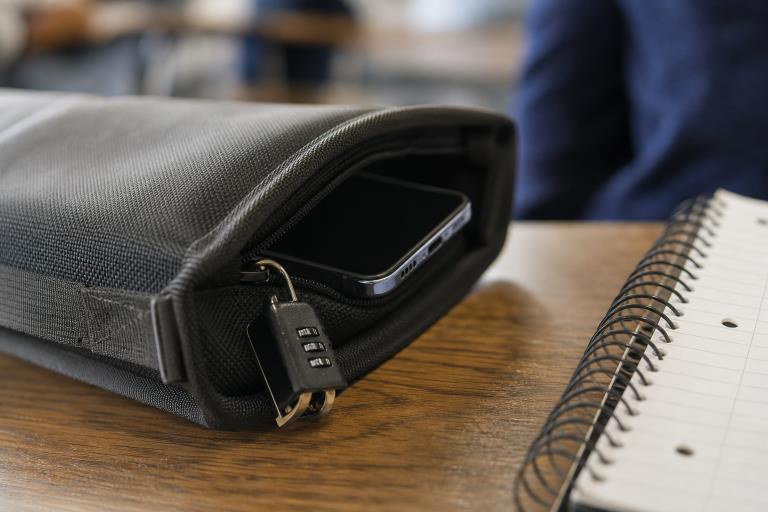
A school that limits personal phone use can create spaces where students are physically present and mentally available. In class, that may mean fewer interruptions during instruction. In a hallway, it may mean more greetings and fewer students walking together while staring at separate glowing rectangles. During meals, it can make room for conversation that does not require a notification sound.
The most useful approach treats phone limits as an attention policy rather than a punishment. Students should understand what the rule protects. They should also know where devices are stored, how urgent messages reach them, and when approved technology can be used for learning.
Technology is still crucial in schooling. Students can write, design, code, investigate, present, and exercise digital citizenship on classroom computers. Technology is employed. It is not roaming the classroom like a puppy hunting for food.
Build Transition Time Into the Schedule
Many routines fail because they pretend transitions do not exist. A schedule may say that class ends at 10:15 and study begins at 10:15, as if students can teleport from one task to another. In real life, students need time to gather materials, move through the building, ask a quick question, refill a water bottle, and remember why they walked into the room.
Transition periods do more than prevent tardiness. They help students shift mental gears. A short pause after a demanding class can make it easier to begin the next activity with patience. A few minutes before study time can be used to organize notes, identify priorities, and decide which assignment deserves attention first.
Adults can support this process by posting clear schedules, giving advance reminders, and teaching students how to prepare before a transition. A student who checks the next obligation before leaving a room is less likely to arrive at the following activity with the expression of someone who has just discovered an exam by accident.
Make Study Time More Than Quiet Sitting
A silent room is not automatically a productive room. Students need practical methods for using study time well. They may begin by listing assignments, estimating how long each task will take, and choosing one manageable starting point. Breaking a large project into smaller actions can make it less intimidating.
For example, “finish science project” is a cloudy instruction. “Choose a topic, locate two useful materials, and write three possible research questions” is much clearer. The second version gives the brain a handle to grab.
Study periods can include teacher check ins, peer collaboration, tutoring, reading, revision, and independent practice. Students should also learn when to ask for help. Waiting until ten minutes before bedtime to announce that an entire assignment makes no sense is a traditional habit, but not a particularly efficient one.
A focused study block should have a visible endpoint. Without one, students may continue working long after their concentration has turned into warm oatmeal. Scheduled pauses can help students return to the task with more energy and fewer dramatic sighs.
Use Meals as a Community Anchor
Meals are not merely fuel stops between academic events. They can be important social and emotional anchors in the day. A shared meal gives students time to talk, laugh, notice who seems quiet, and practice ordinary manners that do not appear on a test but matter greatly in adult life.
A phone free meal can encourage students to look up and participate in the room. Some conversations will be fascinating. Others will involve an intense debate about whether a particular dessert qualifies as food. Both are part of learning how to be with other people.
Giving students adequate time to eat, offering reasonable seating, and letting them know who to ask about dietary or health issues can make meals more enjoyable. A hasty supper can fatigue and distract students. A peaceful meal might revive the afternoon.
Treat Movement as a Learning Support
Movement should not be saved only for athletes or students who enjoy running voluntarily, which is a remarkable group of people but not the entire population. Walking, stretching, recreation, physical education, outdoor lessons, and team activities can all help students change pace and release built up tension.
Movement also creates opportunities for cooperation. Students learn to follow instructions, communicate quickly, handle disappointment, and encourage teammates. A student who misses a shot, loses a race, or struggles with a new skill receives practice in recovering without declaring the day permanently ruined.
Short movement breaks can be useful during long periods of concentration. Standing, stretching, or walking briefly may help students return to work with greater alertness. These pauses do not need elaborate equipment. Sometimes the grand athletic program is simply a walk around the building and a reminder that shoulders are not supposed to live beside the ears.
Turn Routine Into Leadership Practice
Leadership grows through repeated ordinary actions. Students practice it when they arrive prepared, keep a promise, notice a problem, or help a group move forward. A routine can make these opportunities visible.
A student may organize shared resources, welcome a new classmate, check equipment, conduct a conversation, or help younger pupils grasp a technique. Duties should be meaningful, not cosmetic. A clipboard doesn’t make someone a leader. Trust, decision-making, and accountability work more.
Reflection can strengthen the experience. Students might consider what went well, where communication broke down, and how they would handle a similar situation next time. This turns a daily task into a lesson about judgment. It also helps students understand that leadership is not a permanent state of confidence. Sometimes it is simply taking the next sensible step while feeling mildly nervous.
Create an Evening Reset
The final part of the day can influence the first part of the next one. An evening reset may include checking the schedule, charging approved devices outside the bedroom, packing materials, preparing clothing, and setting aside time for reading or quiet conversation.
A consistent bedtime routine supports rest, and rest affects attention, mood, memory, and patience. Students who are exhausted may find that a simple assignment becomes an epic quest involving three pencils, a missing notebook, and a sudden need to reorganize the entire desk.
The evening should not become another performance review. Students need room to relax and recover. A useful routine lowers tomorrow’s friction without turning the night into a second school day.
FAQ
Should every student follow the exact same routine?
No. A common structure can help a school function, but students may need different supports, pacing, accommodations, and levels of independence. The goal is dependable guidance with room for individual needs.
What should happen if a student forgets to store a phone?
The response should be clear, consistent, and proportionate. Students should know the procedure in advance, and adults should focus on restoring the routine rather than creating a public spectacle worthy of a courtroom drama.
Can students have access to technology during a structured school day?
Yes. Technology can support research, design, communication, coding, creativity, and accessibility. Planned use is different from unrestricted personal browsing during every quiet moment.
How can families support school routines at home?
Families can create predictable periods for meals, homework, movement, preparation, and sleep. They can also model the habits they expect by putting devices away during conversations and shared activities.
What makes a routine feel supportive instead of controlling?
Students need explanations, reasonable choices, respectful enforcement, and opportunities to take responsibility. A routine feels supportive when it helps students accomplish meaningful goals rather than merely tracking their obedience.
Is quiet time useful for every student?
Quiet time can help many students recover their attention, but the best setting varies. Some students work well in silence, while others benefit from quiet background activity, movement, or supervised collaboration. Flexible options can make focused time more effective.