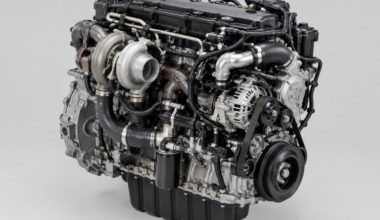
Start Each Trip With a Quick Walk Around
A diesel vehicle does not need a red carpet before every journey, but it does appreciate a brief inspection. A few minutes spent looking around the vehicle can reveal problems while they are still small enough to behave politely.
Check the tires for low pressure, uneven wear, or objects hiding in the tread. Look beneath the vehicle for fresh fluid spots. A dark oil stain, a bright coolant puddle, or a suspicious rainbow colored patch may be the vehicle’s way of waving a tiny mechanical flag. Do not ignore it.
Open the hood when the engine is cool and look for loose connections, cracked hoses, frayed belts, or signs of leaking fluid. Make sure the battery terminals are clean and secure. Diesel engines need strong electrical power to start, especially during cold weather, so a weak battery can turn a normal morning into an unwanted camping trip beside the driveway.
These simple checks are not a replacement for professional service. They are an early warning system that helps owners notice changes before they become dramatic.
Treat the Engine Oil Like Liquid Armor
Engine oil does much more than make the dipstick look shiny. It reduces friction, carries heat away from moving parts, and helps remove microscopic debris from sensitive engine surfaces. In a diesel engine, oil often works especially hard because of high compression, heavy loads, and soot produced during combustion.
Check the oil level on a flat surface with the engine off for the manufacturer’s specified period. Oil shouldn’t be above or below the safe range. Lack of oil can starve vital parts. Overfilling the crankshaft with oil can cause pressure and foaming.
Oil condition important. Thicker, gritty, or polluted oil needs attention. Diesel oil darkens faster than gasoline engine oil, thus color alone is misleading. Service interval, mileage, operating circumstances, and manufacturer specs are better guides.
Towing, many short journeys, dusty jobs, or heavy idling may require more attentive oil service than a highway cruiser. A pickup hauling equipment every day is different from one carrying groceries and a curiously huge houseplant.
Help the Fuel System Stay Clean
A diesel fuel system contains precision components that do not enjoy dirt, water, or mystery substances. Fuel injectors operate with extremely small clearances, and contamination can interfere with spray patterns, starting, power, and fuel economy.
Buy fuel from stations with a reputation for regular turnover and proper storage. If a vehicle has a water separator, learn how to inspect and drain it according to the owner’s manual. Water in diesel fuel can cause corrosion and may damage injection components if it travels through the system.
When the vehicle works in tough conditions, replace the fuel filter regularly. Delaying this servicing restricts gasoline flow and makes the fuel pump work harder. Hesitation, hard starting, loss of power under load, or an engine that dislikes slopes may be symptoms.
Do not ignore repeated fuel related symptoms. Replacing a filter may solve a simple restriction, but continued trouble could point to contamination, injector wear, a failing pump, or an electrical problem. Proper testing is better than guessing and replacing expensive parts based on vibes.
Give the Air Intake Room to Breathe
A diesel engine needs a steady supply of clean air. The air filter keeps dust and debris away from the turbocharger and cylinders, but it can become restricted over time. A clogged filter makes the engine work harder and may reduce power, increase smoke, and affect fuel economy.
Check the air filter per service schedule and driving conditions. Gravel roads, construction sites, farms, and dusty trails may load the filter faster than clear pavement. Cleaning a filter by tapping it against a wall is wrong. It can harm filters and leave dirt.
Check the intake system for loose clamps, split hoses, and damaged seals. Pressure loss from a turbocharger-engine leak can slow performance and cause odd noises. Oily residue near a connector may indicate air leaks.
Pay Attention to Turbocharger Behavior
The turbocharger helps a diesel engine produce useful power from a relatively compact package. It uses exhaust energy to push more air into the engine, which makes it possible to burn fuel efficiently and produce strong torque.
There should be no rapid sound change, odd smoke, or acceleration loss from a healthy turbocharger. High-pitched sirens, scraping, and whistling may signal a problem. Turbocharger problems can cause excessive oil use, but other engine difficulties can too.
Allowing the engine to idle briefly after demanding work may help stabilize temperatures, depending on the vehicle and manufacturer guidance. This is especially relevant after towing, climbing steep grades, or extended high speed operation. The goal is not to let the vehicle idle for half an hour while everyone watches the grass grow. A short, sensible cooldown is usually enough when recommended.
Use Driving Habits That Suit a Diesel
Diesel engines are built for torque and endurance, but constant short trips can create difficult conditions. When the engine never reaches full operating temperature, moisture and combustion byproducts may accumulate in the oil and exhaust system. Repeated cold starts also place extra demand on the battery, glow plug system, and starter.
Whenever practical, allow the vehicle to complete a longer drive after several short journeys. A fully warmed engine can operate more efficiently and give certain emissions systems the conditions they need to function correctly.
Avoid aggressive acceleration while the engine is cold. Cold oil flows less easily, and internal components need time to receive proper lubrication. Gentle operation during warmup is kinder to the engine and less likely to make it complain like an old gate in a thunderstorm.
If the vehicle is equipped with a diesel particulate filter, learn what its warning indicators mean. Interrupting regeneration repeatedly can create restrictions and lead to expensive repairs. Follow the vehicle’s instructions and obtain professional help if warning lights remain active.
Keep Cooling and Electrical Systems Ready for Work
Heat is one of an engine’s worst enemies, and diesel engines generate plenty of it under load. Inspect coolant levels only when the engine is cool, and use the correct coolant type rather than mixing products at random. Different coolant formulas may not cooperate peacefully.
Look for crusty deposits around hose connections, damp areas near the radiator, or a sweet smell after driving. These signs can indicate a leak. A cooling fan that runs constantly, a temperature gauge that moves higher than usual, or coolant that disappears without explanation also deserves prompt attention.
The electrical system deserves equal respect. Glow plugs, batteries, charging systems, and wiring all contribute to reliable starting. Slow cranking does not mean the vehicle is simply feeling dramatic. It may indicate a weak battery, corroded connection, failing starter, or charging problem. Testing the system before winter is far cheaper than discovering a dead battery during the coldest morning of the year.
Build Service Records That Tell the Story
A maintenance record is more useful than a glove box full of receipts that resemble ancient treasure maps. Record the date, mileage, service performed, parts used, and any symptoms noticed. Include tire rotations, fluid changes, filter replacements, inspections, and diagnostic work.
Clear records help a technician spot patterns. If fuel economy has declined gradually, several oil services occurred late, or the same warning light appeared repeatedly, the history may reveal what a single inspection cannot.
Professional diesel service is particularly valuable when the vehicle tows, carries heavy cargo, operates in extreme temperatures, or spends long hours idling. A trained technician can test systems, interpret diagnostic codes, inspect components, and separate a genuine repair from a part that merely looks suspicious under fluorescent lighting.
FAQ
How often should a diesel vehicle be serviced?
The correct interval depends on the manufacturer, engine design, mileage, age, and driving conditions. Heavy towing, dusty roads, frequent idling, and short trips may require more frequent attention. The owner’s manual provides the baseline schedule, while a qualified technician can help adjust it for demanding use.
Why does diesel engine oil turn dark quickly?
Diesel combustion produces soot, and modern engine oils are designed to suspend contaminants so they can be removed during an oil change. Dark oil is not automatically a sign of failure. Service timing, oil level, texture, fuel dilution, and engine symptoms provide more meaningful information.
What are common signs of a restricted fuel filter?
Hard starting, hesitation, weak acceleration, rough running, stalling, and reduced power under load can all occur when fuel flow is restricted. These symptoms can also come from other problems, so testing is important before replacing additional components.
Can short trips damage a diesel engine?
Short excursions can hurt the engine since it may not achieve full temperature. Moisture, soot, and incomplete emissions system cycles may worsen. When necessary, a longer drive can assist, but warning lights or performance difficulties should be checked professionally.
When should a diesel vehicle be taken to a mechanic?
Arrange professional service when warning lights remain on, the engine overheats, starting becomes difficult, smoke changes noticeably, power drops, or unusual noises appear. Prompt diagnosis can prevent a small fault from turning into a repair bill with its own zip code.