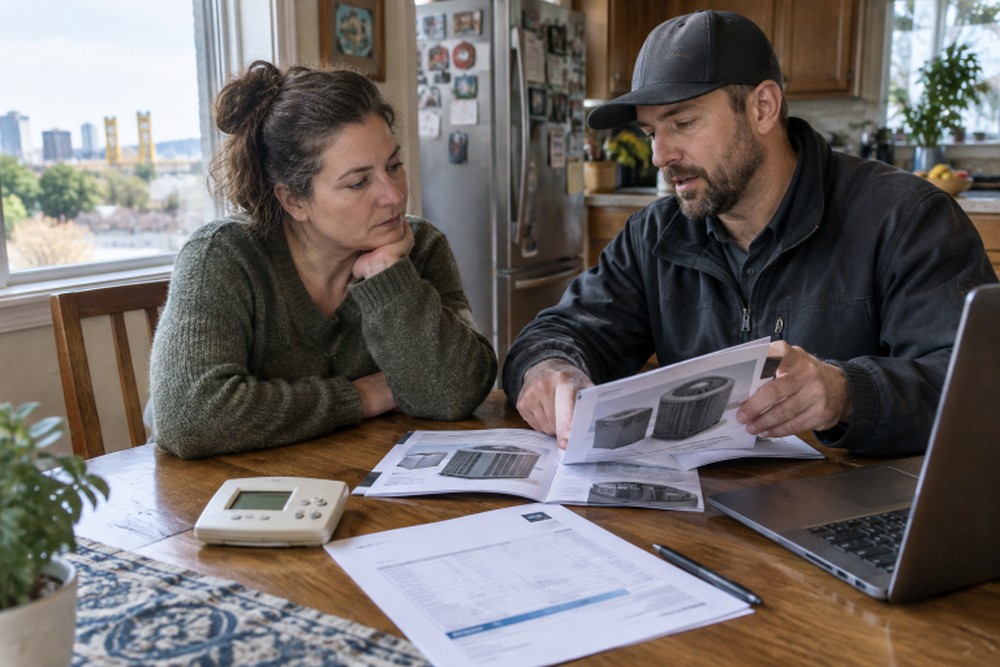
Sacramento summers put a home cooling system to work, and an unexpected breakdown can turn a careful purchase into a rushed decision. Planning ahead gives homeowners time to compare comfort concerns, energy use, ductwork, electrical capacity, and installation scope before the hottest stretch of the year arrives.
For homeowners served by SMUD, SMUD rebates for HVAC can be an important part of the planning conversation. Elite Mechanical Systems, a North Highlands HVAC contractor serving Sacramento County, maintains this local rebate resource to explain which heat pump equipment qualifies, contractor requirements, paperwork, and other factors that can affect an incentive application. It is a useful starting point when comparing a repair with a full heating and cooling upgrade.
Why Plan an HVAC Upgrade Before Summer?
Waiting for complete equipment failure often limits choices. Homeowners may need a fast replacement, while preferred equipment, appointments, or rebate funding can be harder to secure. A planned project allows time to address airflow problems, evaluate the home, and determine whether a single heat pump system can handle both heating and cooling.
Signs Your Sacramento Home May Need an Upgrade
No single symptom automatically means replacement is necessary, but several recurring issues deserve a full evaluation:
- Repairs are becoming frequent or costly.
- Bedrooms, additions, or upper floors stay noticeably warmer or cooler than the rest of the home.
- Summer electric bills rise without a clear change in household use.
- The system short cycles, makes unfamiliar noises, or struggles to maintain the thermostat setting.
- Older equipment relies on outdated technology or refrigerant.
- Airflow is weak because the ducts are leaking, damaged, undersized, or improperly placed.
Compare Repair, Replacement, and Heat Pump Options
- Repair: Often makes sense when a system is relatively young, and the fault is isolated.
- Like-for-like replacement: Can be practical when the home layout and duct system are working well, but the existing equipment has reached the end of its useful service life.
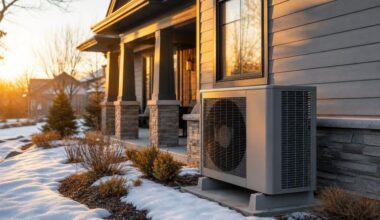
- Heat pump upgrade: Provides the home with a single electric system for both heating and cooling, making it worth considering when replacing gas heating, air conditioning, or both.
A helpful rule is to compare the expected repair cost, likely future repairs, comfort problems, and replacement cost together. A low repair bill may not be the best long-term answer if the system still leaves rooms uncomfortable or runs inefficiently.
Because program details can change, homeowners should review SMUD’s 2026 heat pump rebate update before signing a contract. Confirm the available funding, eligible model, account requirements, contractor qualifications, permit requirements, and application timing for the specific project.
Check the Home Before Choosing Equipment
The biggest HVAC unit is not automatically the best one. Oversizing can lead to excess cycling and uneven comfort, while undersizing can leave a home struggling through extreme weather. A professional load calculation should consider square footage, room layout, insulation, window condition, sun exposure, duct design, and air leakage.
Ask the contractor to inspect the duct size, placement, and leakage, rather than assuming new equipment alone will solve every comfort issue. Thermostat location matters as well. A thermostat exposed to afternoon sun, kitchen heat, or a draft can give the system misleading information.
Look Beyond the Equipment Price
A detailed proposal should show the full project scope, not simply the price of the indoor and outdoor units. Compare whether each estimate includes:
- Installation labor, permits, inspections, and old-equipment disposal.
- Duct sealing, duct repairs, or replacement where needed.
- Electrical work, a dedicated circuit, or panel-related work.
- A compatible thermostat and system commissioning.
- Rebate documentation, warranty terms, maintenance needs, and expected operating considerations.
Plan Electrical Work and Home Comfort Together
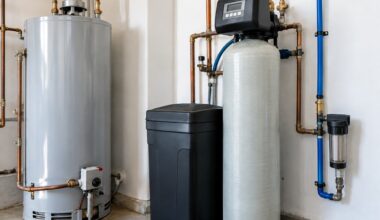
An HVAC project can overlap with other electrification plans, including a heat pump water heater, electric vehicle charging, induction cooking, smart panels, added circuits, insulation, and air sealing. Ask for an electrical load review before assuming a full panel replacement is required. In some homes, targeted circuit work may be sufficient. In others, multiple planned upgrades may make a larger electrical project sensible.
For broader planning ideas, the City of Sacramento’s climate-friendly buildings resources discuss home electrification, efficiency, financing, and contractor-related considerations for local residents.
Understand Efficiency Ratings Without Getting Lost in Them
- SEER2: A seasonal measure of cooling efficiency.
- EER2: A cooling-efficiency measure under specified operating conditions.
- HSPF2: A heating-efficiency measure for heat pumps.
- Two-stage and variable-speed equipment: Systems that can adjust output more closely to changing demand.
Higher ratings may reduce energy use, but they can also increase upfront cost. The better fit depends on the home, local climate, household habits, comfort priorities, and how long the owner expects to remain in the property.
Use a Clear Contractor Comparison Checklist
When reviewing two or three detailed proposals, ask each contractor the same questions:
- Will you perform or include a load calculation?
- Which specific models meet current incentive requirements?
- Are permits, inspections, duct testing, and electrical work included?
- Who submits the rebate paperwork?
- What labor warranty is included?
- How will airflow, refrigerant performance, and thermostat operation be tested after installation?
Common HVAC Upgrade Mistakes to Avoid
Avoid choosing only the lowest bid, purchasing equipment before checking incentive rules, ignoring duct leaks, or assuming every home needs a larger electrical panel. Most importantly, do not wait until a Sacramento heat wave creates an emergency. Early planning makes it easier to compare scope, value, and installation quality.
Frequently Asked Questions
Is it a good year to replace an older HVAC system?
It can be, especially when repairs are recurring, comfort is poor, or the equipment is aging. A planned replacement generally provides more choices than an emergency installation.
Are heat pumps practical in Sacramento?
Heat pumps can provide both heating and cooling. Their results depend on accurate sizing, proper duct design, controls, and installation quality.
Should ductwork be replaced at the same time?
Not always. However, ducts should be evaluated and sealed or repaired when leakage, damage, or poor airflow is affecting system performance.
A Practical Upgrade Timeline
- Two to three months ahead: Review repair history, comfort complaints, and utility use.
- Four to eight weeks ahead: Schedule inspections, compare proposals, and verify incentive rules.
- Before signing: Confirm equipment, permits, electrical scope, warranties, and rebate responsibilities.
- After installation: Save invoices, permit records, equipment information, and maintenance instructions.
Make the Upgrade Fit the Home
A smarter HVAC upgrade is not a search for the most powerful unit. It is a decision that accounts for the Sacramento home itself, including its ducts, insulation, electrical system, comfort needs, long-term operating considerations, and available incentives. With a little planning and the right questions, homeowners can make a more confident choice before summer arrives.