Key Takeaways
- Begin heating-system checks before the first extended cold spell.
- Replace filters, clear vents, and test the thermostat early.
- Arrange seasonal service for furnaces, boilers, and heat pumps.
- Test carbon monoxide alarms and keep combustion exhaust paths clear.
- Seal drafts and protect exposed pipes to improve comfort and reduce the risk of freezing.
- Act promptly when you notice unusual sounds, smells, leaks, or uneven heating.
Winter comfort depends on more than turning up the thermostat. A few basic checks can help your heating equipment operate more reliably when it is needed most. For homes that use oil heat, confirming that you have an adequate cod fuel supply is also an important part of seasonal planning. Preparation matters whether your home has a furnace, boiler, heat pump, radiators, or radiant heating. Clean airflow, safe venting, working controls, and proper insulation all help the system deliver heat more consistently throughout the home.
Why Winter Preparation Matters
Heating systems work harder during long periods of cold weather, which can expose problems that were not obvious during milder months. A clogged filter, a blocked vent, a weak thermostat battery, or a small water leak may seem minor at first, but each can affect comfort or system performance. Early preparation also gives you time to schedule service before repair appointments become harder to obtain.
Start With A Simple Home Heating Check
Set aside time for a room-by-room inspection before regular heating begins. This does not replace professional maintenance, but it can quickly reveal obvious issues.
- Make sure supply vents and return grilles are open and unobstructed.
- Move furniture, rugs, curtains, and stored items away from vents, radiators, and heating equipment.
- Look for dust buildup, rust, water stains, damaged insulation, or signs of moisture near equipment.
- Listen for banging, grinding, squealing, rattling, or repeated clicking when the system starts.
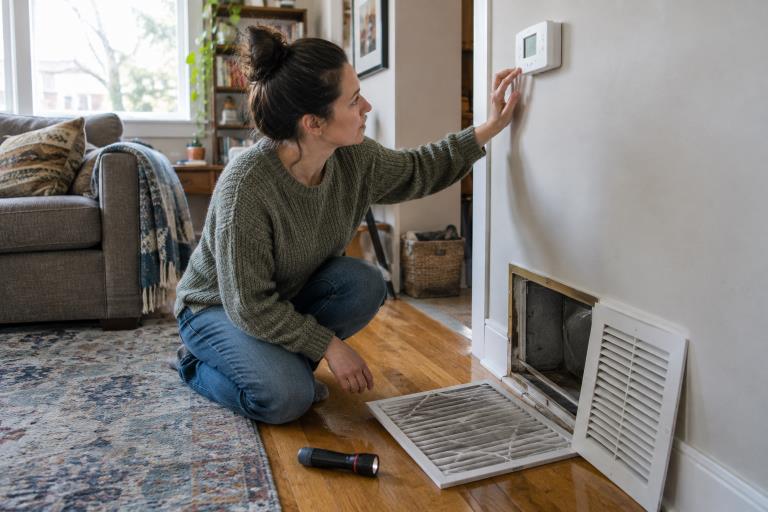
- Check that the thermostat display works and replace batteries if needed.
Replace Filters And Improve Airflow
A dirty furnace or air-handler filter can restrict airflow, making the equipment work harder to circulate heated air. Check the size printed on the existing filter before buying a replacement, and follow the equipment manufacturer’s recommended schedule. Homes with pets, dust, construction activity, or frequent allergy concerns may need more frequent filter checks. Avoid installing a highly restrictive filter unless it is compatible with your system.
Test The Thermostat Before Cold Weather Arrives
Set the thermostat a few degrees above the indoor temperature and confirm that the heating system responds. Check whether heat reaches rooms evenly, review programmed schedules, and replace weak batteries. A programmable or smart thermostat can be useful when household schedules are predictable, but it still needs correct settings and a good location away from drafts or direct sunlight. The Department of Energy notes that heating choices, insulation, air sealing, and efficient windows and doors all affect home heating performance.
Schedule Professional Maintenance
A visual inspection cannot identify every issue inside a heating system. Seasonal service can help identify worn components and verify that equipment is operating safely before peak demand. Depending on the system, a qualified technician may inspect electrical connections, controls, burners, ignition components, heat exchangers, flues, blower parts, boiler pressure, pumps, valves, heat-pump coils, and defrost operation.
Prepare Different Heating Systems
Furnaces
Replace the filter, keep return vents open, and watch for strange odors, loud starts, or repeated shutdowns. Soot, a yellow burner flame, or signs of poor combustion require professional attention rather than do-it-yourself adjustments.
Boilers And Radiators
Check around boilers, pipes, and radiators for leaks or corrosion. Cold spots on a radiator may indicate trapped air or a circulation issue. Bleeding a radiator can help in some systems, but a professional should handle recurring pressure loss, leaks, or unfamiliar controls.
Heat Pumps
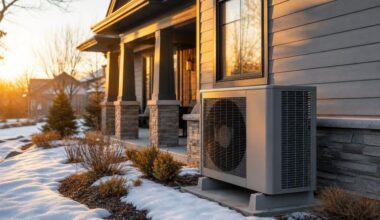
Remove leaves and loose debris around the outdoor unit while keeping the manufacturer-required clearance area open. Light frost can occur during normal operation and should clear during defrost cycles. Heavy ice buildup, poor airflow, or weak heat output needs service.
Check Carbon Monoxide And Fire Safety
Fuel-burning heating equipment needs special attention because carbon monoxide is colorless, odorless, and toxic. Test carbon monoxide alarms, replace batteries as needed, and replace alarms that have reached the end of their service life. Keep furnace, boiler, and water-heater areas clear of stored items. The EPA explains that poorly maintained combustion equipment and blocked or damaged flues can contribute to carbon monoxide exposure.
Never use a generator, grill, or other fuel-burning appliance indoors or in an attached garage. If a carbon monoxide alarm sounds, leave the home immediately and contact emergency services from a safe location.
Seal Drafts And Protect The Home
Inspect weatherstripping around exterior doors and caulk visible gaps around fixed window frames. Check insulation in the attic, basement, and crawl space, and insulate exposed water pipes in unheated areas. Keeping garage doors closed and limiting cold air around plumbing can help reduce the chance of frozen pipes. Air sealing often improves comfort without changing the heating equipment itself.
Manage Heating Costs Without Sacrificing Comfort
- Use a consistent thermostat schedule instead of frequent, large adjustments.
- Open window coverings for daytime sun when practical, then close curtains at night.
- Keep vents balanced and avoid closing off airflow needed by the system.
- Compare monthly energy use and investigate unexplained increases.
- Consider a home energy assessment if bills rise without a clear cause.
Warning Signs That Need Professional Help
Call a qualified professional if the system short-cycles, rooms stay cold while it runs, energy costs rise sharply, or you hear persistent banging, grinding, or squealing. Fuel or exhaust smells, soot, smoke, repeated boiler leaks, pressure loss, heavy heat-pump ice, and failed defrost cycles also need prompt attention.
A Practical Winter Preparation Timeline
Four To Six Weeks Before Regular Heating
Book maintenance, replace filters, test the thermostat, inspect vents and insulation, and examine outdoor equipment.
One To Two Weeks Before Cold Weather
Test alarms, seal obvious drafts, clear debris from exhaust areas and outdoor units, and keep emergency contact information accessible.
During The Heating Season
Check filters regularly, keep equipment areas clear, and watch for changes in airflow, sound, smell, or room temperatures.
Common Questions About Winter Heating Preparation
When should a heating system be prepared for winter?
Start several weeks before you expect to rely on daily heat. Early preparation leaves time for maintenance, repairs, and replacement parts.
Can homeowners service a heating system themselves?
Homeowners can replace filters, clear vents, test thermostats, and inspect alarms. Electrical, combustion, fuel, refrigerant, and internal mechanical repairs should be left to qualified professionals.
What should you do if the heat stops working?
Check the thermostat setting, confirm power is available, inspect the filter, and look for blocked vents or outdoor equipment. Stop troubleshooting and seek help immediately if there is a fuel smell, smoke, or a carbon monoxide alarm.
Conclusion
A dependable heating system begins with simple work completed before winter arrives. Clean or replace filters, keep vents open and unobstructed, check thermostat settings, test smoke and carbon monoxide alarms, and protect exposed pipes from freezing temperatures. It is also helpful to inspect doors and windows for drafts, clear areas around heating equipment, and schedule professional maintenance to identify worn parts or other concerns before colder weather sets in. Homeowners should also review fuel levels and make sure the heating system has a reliable supply for the months ahead. These practical steps can uncover problems early, improve everyday comfort, and support a warmer, safer home throughout the 2026 heating season.