A fence is more than a line around a property. In Austin, it can shape how you use a patio, manage pets, create a calmer backyard, protect equipment, and define outdoor space around a growing neighborhood. Before choosing a style, homeowners benefit from thinking about the problem the fence needs to solve. A qualified security fence company Austin that homeowners consult can also help translate everyday needs into a practical layout.
The right choice is not always the tallest or most expensive option. A well-planned fence should fit the lot, complement the home, work with gates and pathways, and match the maintenance level you are prepared to handle. Careful planning can prevent inconvenient gate locations, poor sightlines, drainage concerns, and costly changes after installation begins.
Start With The Purpose
Begin with one main goal, then list the secondary benefits you want. A backyard privacy fence, for example, may need a very different design from an open metal fence near a front walk or driveway. In some situations, high security fencing Austin that property owners consider is intended to control access to storage areas, side yards, commercial equipment, or other locations where stronger boundaries matter.
- Privacy from adjacent homes, roads, or sidewalks.
- A contained area for dogs or children.
- Controlled access around gardens, pools, driveways, or storage areas.
- A clear visual boundary for the property.
- A finished edge for landscaping and outdoor living areas.
A household with an energetic large dog may prioritize height, secure latches, and limited space beneath the fence. Another homeowner may prefer an open design that preserves daylight and views of mature trees. Defining the purpose first keeps the project focused.
Match The Fence To The Yard
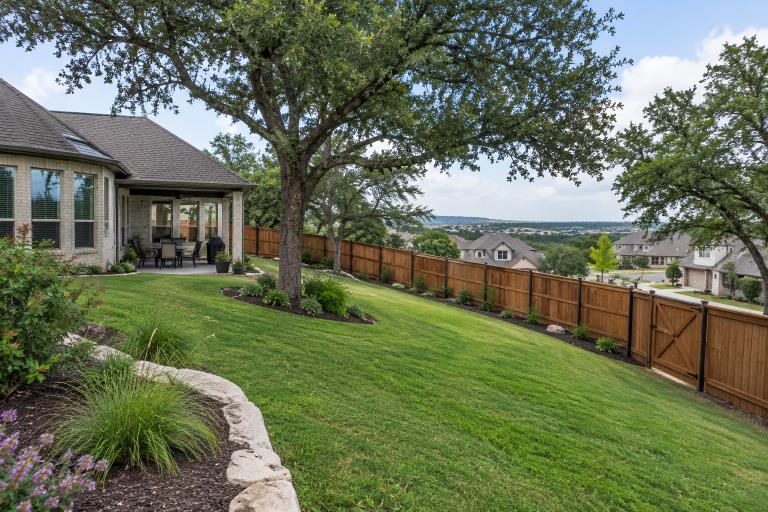
A fence that appears appealing in a showroom may not suit every Austin lot. It’s essential to assess the proposed area for slopes, patios, retaining walls, and other features that affect layout and post placement. Sloped yards require specific designs: a stepped fence maintains level panels with height variations, while a racked fence aligns closely with the slope for a smoother appearance. The choice depends on the material, slope angle, and desired aesthetics both inside and outside the yard.
Compare Common Materials
Wood
Wood offers a traditional appearance and flexible design options. It can work well for privacy, decorative details, and custom layouts. It also requires periodic inspection, and owners may need to clean, stain, seal, paint, or replace damaged boards over time.
Vinyl
Vinyl fencing provides a uniform appearance and can reduce routine finishing work compared with painted or stained wood. Before choosing it, review available colors, panel styles, repair options, and how replacement sections will match if damage occurs later.
Metal And Chain Link
Metal fencing can create a durable, open boundary for front yards, gardens, and areas where visibility matters. Chain link can be a practical fit for large yards, pet runs, and utility areas. Privacy slats or screening may help when an open-mesh design does not provide sufficient separation.
Composite
Composite options may appeal to homeowners seeking a finished appearance with resistance to rot and insects. Compare the initial investment, available colors, warranties, replacement parts, and long-term color consistency before making a decision.
Think About Privacy And Visibility
Privacy and visibility often pull a design in different directions. Solid panels can screen activity and make a backyard feel more secluded. Open styles can allow airflow, preserve light, and maintain sightlines near entries or landscaping. A mixed approach may be useful, such as a private rear-yard fence with a lower, more open front-yard design.
Plan Gates Around Daily Use
Gates deserve as much planning as the fence itself. Consider the width needed for people, pets, trash bins, lawn equipment, trailers, and future repairs. Confirm swing direction, ground clearance, latch placement, lighting, locks, and whether a double gate would simplify access.
Pool enclosures require added attention because reliable access control is a central safety consideration. The U.S. Consumer Product Safety Commission provides guidance on pool barriers, gates, and ways to reduce unsupervised access to residential pools.
Review The Full Project Cost
Material cost is only part of a realistic fence budget. Compare complete estimates that account for fence length and height, corners, gates, hardware, old-fence removal, difficult access, slope changes, roots, rock, and site preparation. Also consider ownership costs, including cleaning, refinishing, hardware adjustments, and occasional repairs.
Check Property Rules Before Building
Confirm requirements before ordering materials or scheduling work. Austin-area properties may be subject to city rules, county rules, neighborhood restrictions, HOA standards, or requirements connected to pool barriers and corner-lot visibility. Review property boundaries, setbacks, height limits, permit needs, approved materials, and any required approvals. If the boundary is uncertain, reliable records or a survey can help avoid disputes with neighbors.
Prepare The Site For Installation
Fence posts require excavation, so preparation below ground matters as much as the finished appearance above it. Mark the planned line, identify private irrigation or landscape wiring, clear movable items, and arrange access for crews and equipment. Before any digging begins, request safe digging information through 811 so buried utility lines can be marked before excavation.
Use A Simple Fence Selection Checklist
- Define the fence’s primary purpose.
- Measure the yard and identify slopes, corners, and obstacles.
- Decide how much privacy, visibility, and airflow you need.
- Compare materials by appearance, upkeep, repair needs, and budget.
- Plan gate size, swing direction, hardware, and access routes.
- Confirm boundaries, permits, HOA rules, and local requirements.
- Contact 811 before digging.
- Compare complete project estimates, not only price per foot.
Common Questions About Fence Planning
What Is The Best Fence For Privacy?
Solid wood, vinyl, and composite designs can all provide privacy. The best fit depends on your budget, preferred appearance, maintenance expectations, yard conditions, and applicable height rules.
What Fence Works Best For Dogs?
Material matters, but height, spacing, bottom clearance, gate security, and a dog’s climbing or digging habits can be equally important. Assess the individual pet and inspect the finished enclosure regularly.
Can A Fence Improve Outdoor Living?
Yes. A thoughtful layout can create distinct spaces for dining, gardening, play, pets, and relaxation, while helping the yard feel intentional rather than closed in. The strongest results come from balancing security, comfort, access, appearance, and long-term upkeep.