Just purchasing a beautifully coordinated set of furniture or setting up a large renovation does not automatically render a house warm and welcoming. Rather, it is the result of making good selections of comfortable, functional items and what surrounds daily living. With a few proper and carefully selected home decor, adequate lighting scheme, and intentional furniture layout, one can easily give personality to a room.
It is not necessary to replicate any kind of showroom and be in tune with all current trends. This is what a cozy foundation is about: providing support for the users of the room. There should be a space for sitting down, surfaces that may be used, nice light for the evening, and accessories that give the space a personal touch.
Why Warm, Collected Rooms Work
A collected room is not the same as a themed room. Instead of focusing on one color, finish, or look, a collected room has various things that fit into the same idea. For example, a modern chair can look great with a vintage wooden table, provided their sizes and colors fit well together.
A collected room has warmth due to different materials used for decorating, softer light, nature-inspired colors, and objects with stories or sentiment.
Start With a Simple Room Audit
Before bringing anything new into the room, assess what is already there. This quick audit helps prevent impulse purchases and makes it easier to identify the changes that will matter most.
- Define the room’s main purpose, whether it is relaxing, hosting, working, dining, or sleeping.
- List the furniture and decor that must stay.
- Notice which areas feel too empty, crowded, dark, or visually flat.
- Choose one guiding mood, such as calm, rustic, refined, or relaxed.
- Set a realistic budget before shopping.
A living room, for instance, may not need a replacement sofa. It may need a floor lamp near the reading chair, a larger piece of wall art, softer pillows, and a less crowded coffee table.
Layer Texture With Purpose
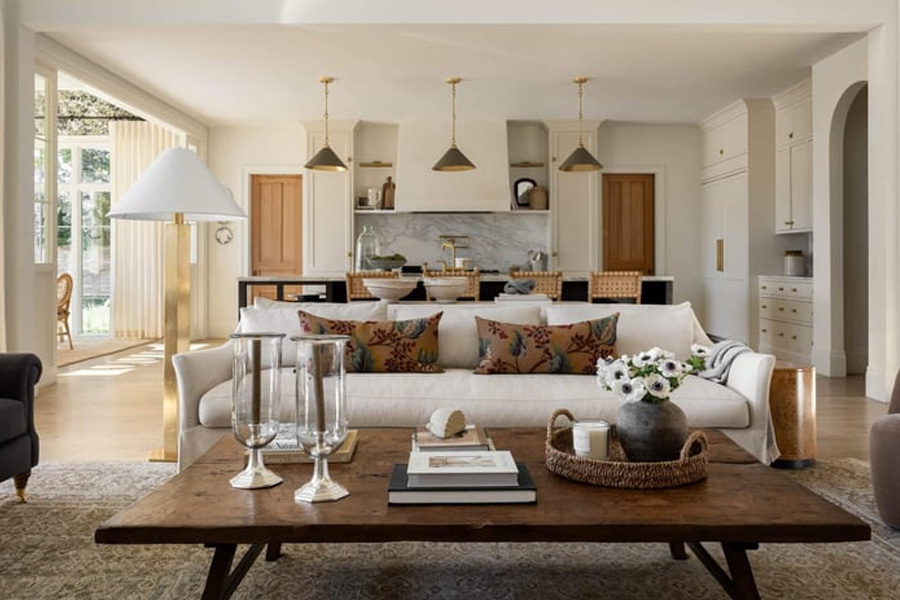
Using different textures in the rooms may add an impression of depth. Instead of bright colors and many patterns, it’s better to combine the surfaces that are different in touch and appearance. For instance, curtains made of linen, a woven rug, a ceramic dish, and a wooden table will help to achieve this goal.
Use the three texture rule: select three textures for the room and carry over one or two textures to other parts of the room. Wool blankets, the cotton fabric of upholstered furniture, rattan baskets, stone objects, old metal decor, handmade pottery, and textured paintings are good options. Curtains and rugs are great for softening both hard floors as well as empty windows.
Build a Natural Color Palette
Begin with a leading color, like beige, white, light brown, tawny, gray, or khaki. Then add a neutral like cream or ash gray. Lastly, choose one accent color like orange, dark green, demure yellow, dark blue, or light blue.
Make use of the accent color in subtle ways across the entire room. A dark green vase can connect back to a throw pillow, a plant, or a detail in a nearby piece of art. These little touches create a sense of unity that keeps a room from looking overly matching while still “playing together.”
Use Scale to Create Balance
Furniture and decorations in many rooms appear insufficient because they are too small for the available space. Instead of getting numerous small items, one should rather choose one big item. It is usually possible to achieve a better effect with just one big item, rather than a collection of some unrelated objects.
Tie the wall decoration to the furnishings positioned underneath; pair a tall cupboard with hanging art or light fixtures to complement it and anchor the room using low furnishings such as ottomans, bins, and coffee tables. Define the location of the art piece or shelves using masking tape before making purchasing decisions.
Layer Lighting at Three Levels
One overhead fixture can make a room feel flat or overly bright. A more comfortable setup uses three types of lighting:
- Ambient lighting: General illumination from ceiling fixtures, chandeliers, or large lamps.
- Task lighting: Focused light for reading, cooking, working, or getting dressed.
- Accent lighting: Smaller lamps, sconces, picture lights, or candles that add atmosphere.
Place light at more than one height, such as a floor lamp beside seating and a table lamp on a console.
Mix Old, New, and Personal Pieces
Character derives from variety. Combine streamlined seating with rustic wood, contemporary lighting with artisan ceramics, or a plain console with pictures of family members and some of your favorite books. Use one color or material throughout instead of trying to match shapes and finishes.
A handful of impactful items take up more room than a shelf full of random bits. Leave some blank space around your favorite items so that they have the necessary breathing room.
Avoid Common Decorating Mistakes
- Buying before measuring: A beautiful piece can still overwhelm a room or disappear within it.
- Using one light source: Add lamps where people read, gather, or unwind.
- Matching everything: Coordination is useful, but identical finishes can feel staged.
- Ignoring function: Keep pathways clear and frequently used surfaces accessible.
- Adding too many small accents: Reduce visual noise by choosing fewer, stronger pieces.
Conclusion
A cozy and welcoming home cannot be built in one day. A careful choice of scaling, layered lighting, natural materials, useful textiles, and even personal belongings can help to make a space more pleasant and livable. Use what is working for you and make improvements little by little with items that serve you best in your everyday life.