A car accident can make even routine decisions feel overwhelming. The priorities are safety, medical needs, and preserving the details that may matter later. If injuries, disputed responsibility, or significant losses are involved, an auto collision injury lawyer may help explain options and deadlines that apply to the situation.
You do not need to solve every issue at the roadside. Focus on a simple sequence: check for danger, get emergency help when needed, exchange information, document what happened, and notify the appropriate parties. Staying calm and sticking to the facts can make the next steps more manageable.
The First Minutes After a Crash
Take a breath before speaking with anyone. Turn on your hazard lights immediately, then check for immediate dangers such as smoke, fire, leaking fluid, or moving traffic before exiting your vehicle if it’s unsafe to remain inside. Avoid arguing about who caused the collision, even if you believe the fault is obvious. A brief, factual exchange of information, names, insurance details, and contact numbers is usually far more useful in the moment than trying to settle blame at the scene, where emotions run high, and details are easily misremembered.
Check for Injuries and Move to Safety
Check yourself, passengers, pedestrians, and occupants of the other vehicle for injuries. Call 911 if someone appears seriously hurt, is unconscious, has trouble breathing, or needs urgent medical attention. Do not move an injured person unless remaining where they are creates a greater danger, such as a fire or exposure to traffic.
If vehicles are drivable and it is safe to do so, move them out of active lanes. Otherwise, stay in a safer location if possible, use hazard lights, and wait for emergency responders or police assistance.
When to Call 911 and the Police
Contact emergency services when there are injuries, blocked lanes, suspected intoxication, aggressive conduct, major damage, or a hit-and-run. A police or incident report can preserve basic information about the time, location, parties involved, and responding officer. Reporting requirements vary by state, so follow the rules in the state where the crash occurred.
How to Document the Crash Scene
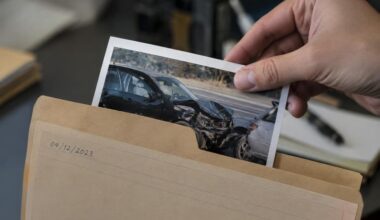
When it is safe, take photos and make notes before vehicles are moved, repaired, or towed. Clear documentation can help refresh memories and support an insurance claim.
Photos to Take
- Each vehicle is shown from several angles, including visible damage and license plates.
- Traffic signals, signs, lane markings, intersections, and nearby landmarks.
- Road conditions, debris, skid marks, weather, and lighting.
- Deployed airbags, interior damage, and damaged child safety seats.
Notes to Record
- The date, time, and precise location.
- What you observed before and after the impact.
- Witness names, contact details, and relevant statements.
- The responding officer’s name, badge number, and report number.
Information to Exchange
Remain polite, but keep the conversation focused on identification and insurance details. Collect the other driver’s full name, phone number, driver’s license information, insurer and policy details, vehicle description, and license plate number. If witnesses are present, ask for their names and contact information. The information to collect at the scene can also help you prepare for the claims process.
Why Medical Care Matters After a Minor Crash
Not every collision symptom appears right away. Headaches, dizziness, soreness, stiffness, or reduced range of motion can surface hours or even days later, after adrenaline fades and inflammation sets in. Seek medical advice promptly when new symptoms develop or when you’re concerned about the force of impact, even if you initially felt fine. Follow the care plan your provider gives you closely, and keep a simple written record of symptoms, appointment dates, and any activity limitations, since this documentation helps track recovery and supports future care decisions.
How to Report the Accident to an Insurance Company
Notify your insurer within the timeframe required by your policy. Before calling, gather your report number, photos, other driver information, witness details, and any relevant medical or repair records. Provide accurate facts, do not guess when you are unsure, and write down the claim number and adjuster’s contact information.
An adjuster investigates the claim for the insurance company. Review documents carefully, ask questions about decisions you do not understand, and retain copies of every email, letter, estimate, and claim form.
Records to Keep and Mistakes to Avoid
Keep digital and paper copies of medical bills, treatment notes, repair estimates, towing invoices, rental receipts, lost-income records, and communications with insurers. A daily log can also help you track pain, appointments, and ways an injury affects normal activities.
Common problems include leaving before exchanging information, admitting fault before all facts are known, posting crash details on social media, disposing of damaged property before documenting it, and accepting a settlement before understanding the full costs involved. Do not miss deadlines connected to insurance, medical care, or legal claims.
Hit-and-Run, Rideshare, and Uninsured Driver Crashes
Hit-and-Run Collisions
Call police promptly, record everything you remember about the vehicle and driver, and look for witnesses or nearby cameras. Preserve photos and avoid pursuing the other vehicle.
Rideshare and Uninsured Driver Crashes
For a rideshare crash, save trip details, app records, receipts, and the driver’s information. If the other driver is uninsured or underinsured, review your own policy to determine whether coverage may apply to certain losses.
When to Seek Legal or Professional Guidance
Consider seeking guidance when there are serious injuries, disputed fault, several vehicles, a commercial driver, a death, a denied claim, or pressure to accept a quick settlement. Insurance rules and legal deadlines vary by state, and timely advice may be important. Following practical steps after a car accident can help you stay organized while you decide what to do next.
Final Checklist
- Check for danger and injuries.
- Call 911 when emergency help is needed.
- Move to safety if possible.
- Exchange essential information.
- Photograph the scene and vehicle damage.
- Report the crash and notify your insurer.
- Get medical care for symptoms or suspected injuries.
- Keep all records connected to the collision.