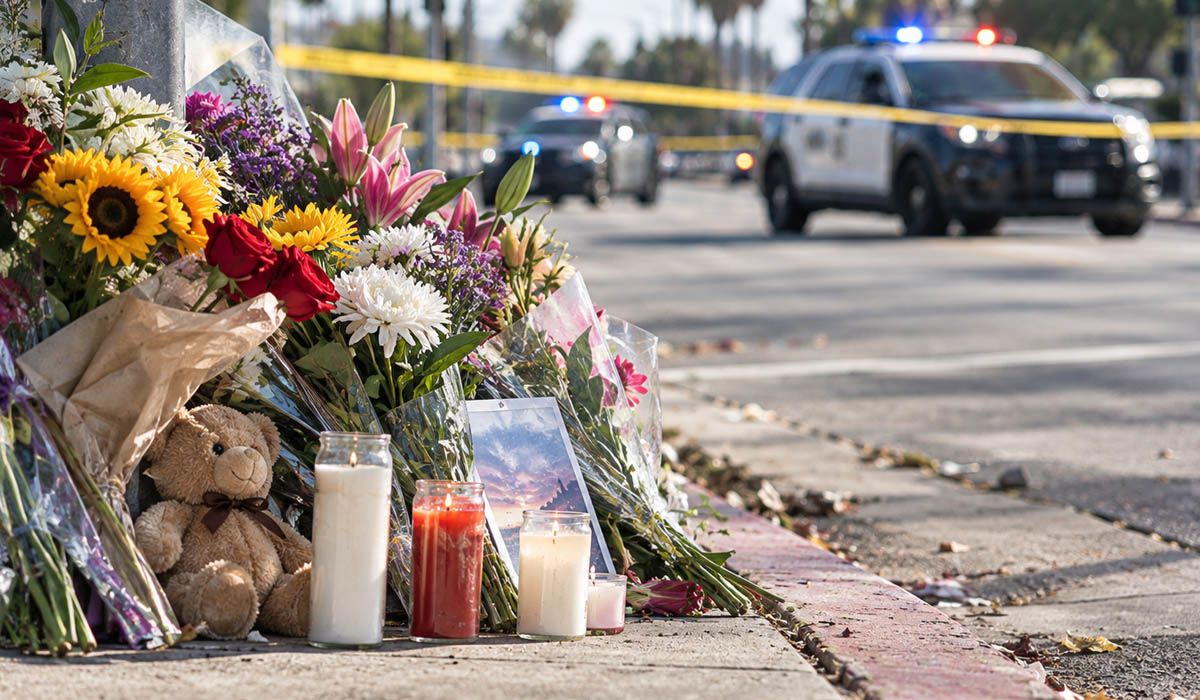
The family of Diego Rios sues Claremont and two officers after a traffic stop death, renewing a legal battle that has continued for nearly a year. The lawsuit accuses the police department and the officers involved of using deadly force during an encounter that should never have turned fatal.
Rios’ death, and the civil case that followed, raises serious questions about how law enforcement handles individuals experiencing a mental health crisis.
What Happened During the Traffic Stop
Diego Alfonso Rios, 30, died on November 28, 2025, after two police officers stopped him following reports that a man was acting erratically and possibly under the influence of narcotics.
Body camera footage released months later showed officers using a carotid restraint and a prone physical restraint, including a knee placed on Rios during the encounter. He became unresponsive and was later pronounced dead at a local hospital.
Medical Examiner Findings
A county medical examiner’s office ruled Rios’ death a homicide, citing asphyxia as a contributing factor. That finding gave the family’s legal team a foundation for pursuing both civil claims and continued scrutiny of the officers’ conduct.
The ruling also intensified public attention on the case, since a homicide determination by a medical examiner carries significant weight in both criminal and civil proceedings.
What the Lawsuit Alleges
Prior Claims and Legal Filings
Rios’ family had filed an earlier lawsuit and then voluntarily dismissed it while they continued investigating the circumstances of his death. They also filed a separate liability claim against the city, alleging the officers violated Rios’ Fourth Amendment rights.
That claim further alleged a violation of California Government Code Section 7286.5, a law that bars law enforcement agencies from authorizing chokeholds or restraint techniques that create a substantial risk of positional asphyxia.
Excessive Force and Wrongful Death Claims
The newly filed lawsuit accuses the city and the two officers of excessive force and wrongful death. It argues that Rios was experiencing a mental health crisis during the stop and that officers failed to call for backup or a mental health specialist despite visible signs of his distress.
These allegations point to a broader pattern seen in many wrongful death cases involving law enforcement. When officers are not trained or equipped to de-escalate a mental health crisis, the consequences can be fatal.
What Happens Next
Ongoing Criminal Review
Prosecutors have continued reviewing the case for possible criminal charges against the officers. As of this update, no charges have been filed.
A criminal investigation and a civil lawsuit can proceed on separate tracks, and the outcome of one does not determine the outcome of the other. Families pursuing wrongful death claims often move forward with civil litigation regardless of where a criminal review stands.
Path Through Civil Court
The civil lawsuit now moves the matter into court, where the family is seeking compensatory damages and accountability for Rios’ death. Civil cases against government entities and their employees often involve unique procedural hurdles, including strict claim-filing deadlines and government immunity defenses.
Navigating those hurdles typically requires legal counsel experienced in civil rights and wrongful death litigation involving law enforcement.
How an Experienced Attorney Can Help
Cases involving a death during a police encounter are legally complex. They often combine civil rights claims, wrongful death law, and government liability rules that do not apply in standard personal injury cases.
An experienced wrongful death attorney can help a grieving family understand their legal options, gather evidence such as body camera footage and medical examiner findings, and file claims within the strict deadlines that apply to government defendants.
A local law firm can also help families pursue full compensation, including damages for loss of companionship, funeral expenses, and the emotional toll of losing a loved one under preventable circumstances. If you or a family member has lost someone during a law enforcement encounter, consulting with an experienced attorney can help you understand your rights and pursue the accountability your family deserves.