If you drive even a few times a week, car maintenance stops being a boring adult chore and starts becoming basic self-protection. A neglected car usually gives you warning signs long before a breakdown, but you need to know what to look for. Once you understand a few core systems and habits, you can catch problems early, spend less on repairs, and avoid the kind of roadside stress that ruins your day.
Start With the Fluids, Because They Tell You Almost Everything
Your car’s fluids work like an early warning system. Engine oil, coolant, brake fluid, transmission fluid, and windshield washer fluid each do a specific job, and low or dirty fluid often points to a bigger issue. If your oil looks gritty or far below the dipstick mark, you may be overdue for service. If coolant keeps dropping, you might have a leak instead of simple evaporation.
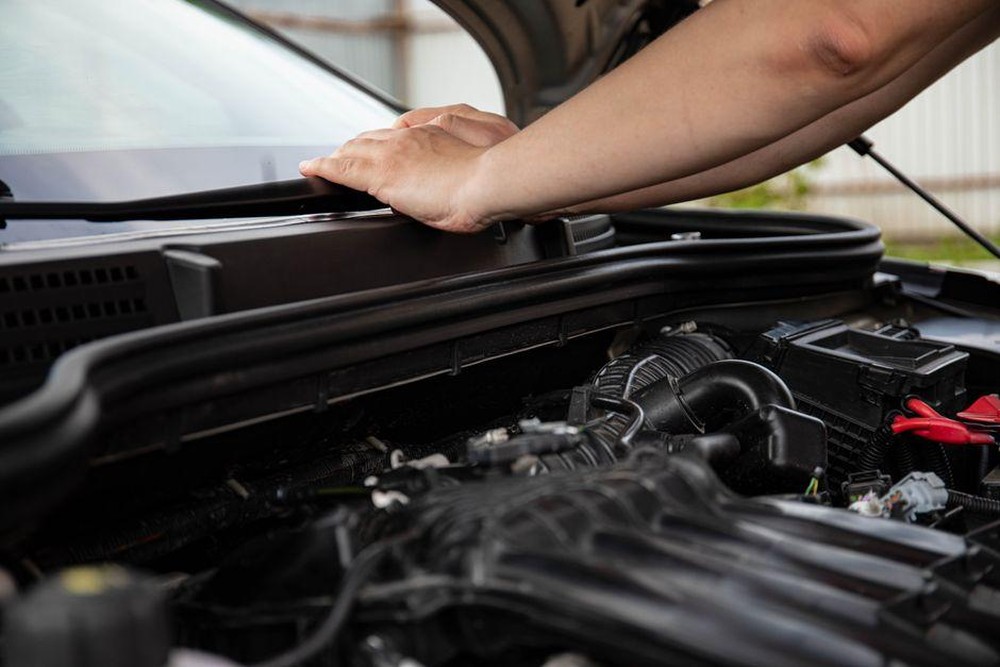
A lot of drivers wait for a dashboard light, but that’s a late-stage approach. Open the hood every few weeks and look for changes. Check for puddles under the car too. Amber, green, red, or dark brown spots can reveal leaks before they become expensive failures. This quick habit takes five minutes and can save you hundreds.
Tires Affect More Than Grip
Tires influence braking distance, fuel economy, road noise, and how stable your car feels at highway speed. If your steering wheel vibrates, the car pulls to one side, or the tread looks uneven, something is off. It could be tire pressure, alignment, suspension wear, or all three working together.
Use a tire pressure gauge instead of guessing. The correct pressure is usually listed on a sticker inside the driver’s door, not on the tire sidewall. Also check tread depth. If the grooves are shallow, your stopping performance in rain drops fast. Rotate your tires on schedule so one set does not wear out long before the others. Replacing four tires early because of neglect is a frustrating way to spend money.
Learn the Warning Terms Before a Shop Uses Them on You
A lot of repair confusion starts with vocabulary. If a mechanic says your serpentine belt is cracked or your pads are near the wear indicator, you need enough context to ask decent follow-up questions. You do not need to become a technician, but you do need a working knowledge of common maintenance terms.
That is where this car maintenance guide can help. It breaks down the language new drivers hear all the time but rarely understand at first. Once you know what terms like viscosity, tread wear, and battery corrosion actually mean, it becomes easier to approve repairs confidently, compare service recommendations, and spot when someone is overselling routine work.
Your Brakes Usually Give You a Heads-Up
Braking systems tend to warn you before they fail completely. Squealing, grinding, a soft pedal, or longer stopping distances all deserve attention. If your steering wheel shakes when you brake, your rotors may be unevenly worn. If the brake pedal feels spongy, air or moisture in the hydraulic system could be affecting pressure.
Do not wait for metal-on-metal grinding. At that point, what could have been a pad replacement may turn into pads plus rotors, and sometimes caliper work. Pay attention to how the car feels in stop-and-go traffic, on hills, and during sudden stops. Small changes matter. Good brake maintenance is not just about preventing repair bills. It affects reaction time and vehicle control when something unexpected happens in front of you.
Battery Problems Rarely Happen at Convenient Times
A weak battery often shows up when you are already late. Maybe the engine cranks slower in the morning, your headlights seem dimmer than usual, or the electronics reset randomly. Those details are easy to ignore until the car will not start in a parking lot.
Heat is hard on batteries, and so is age. Many batteries weaken gradually after three years, though climate and driving patterns matter. Short trips can be rough because the battery does not get enough time to recharge fully. Look for corrosion on the terminals, and make sure the connections are tight. If you have needed multiple jump-starts, stop treating it like bad luck. Get the charging system tested before the alternator or battery leaves you stranded.
Maintenance Schedules Matter More Than You Think
A maintenance schedule is not just dealership paperwork you ignore in the glove box. It is a timing plan built around wear rates, fluid life, and part reliability. Oil changes, air filters, spark plugs, coolant flushes, brake inspections, and transmission service all happen on different intervals. If you skip them until something breaks, you usually pay more later.
Driving conditions also change the schedule. Frequent short trips, dusty roads, extreme heat, towing, and long idle times count as severe service in many owner’s manuals. That means your car may need attention sooner than the standard interval suggests. If you bought your vehicle used and have no service records, assume nothing. Build your own baseline by getting an inspection and starting a maintenance log on your phone.
Sounds, Smells, and Vibrations Are Useful Data
Cars communicate through symptoms long before warning lights appear. A sweet smell can point to coolant. A burnt smell may mean overheating oil, worn brakes, or an electrical issue. A clicking noise during turns can signal CV joint problems. Humming at higher speeds may come from wheel bearings or uneven tire wear.
Try to notice patterns instead of isolated events. Does the noise happen only when the engine is cold? Only while accelerating? Only when the air conditioning is on? Those details help a shop diagnose the issue faster, which may cut down labor time. Vague descriptions like “it sounds weird sometimes” are hard to work with. Specific observations make you easier to help and harder to mislead.
A Good Shop Wants an Informed Customer
You do not need to walk into a repair shop acting suspicious, but you should be prepared. Ask for the priority level of each recommendation. Find out what needs immediate attention, what can wait, and what is preventive. Request estimates in writing. If a repair is expensive, ask what part failed, what symptoms it caused, and whether there were related issues.
A trustworthy shop usually explains things clearly without trying to overwhelm you. It may even show you worn parts or fluid condition. If someone avoids direct answers, pushes urgency without evidence, or cannot explain the labor involved, treat that as useful information. The goal is not to know everything. The goal is to know enough to make smart decisions, keep your car reliable, and avoid paying for confusion.