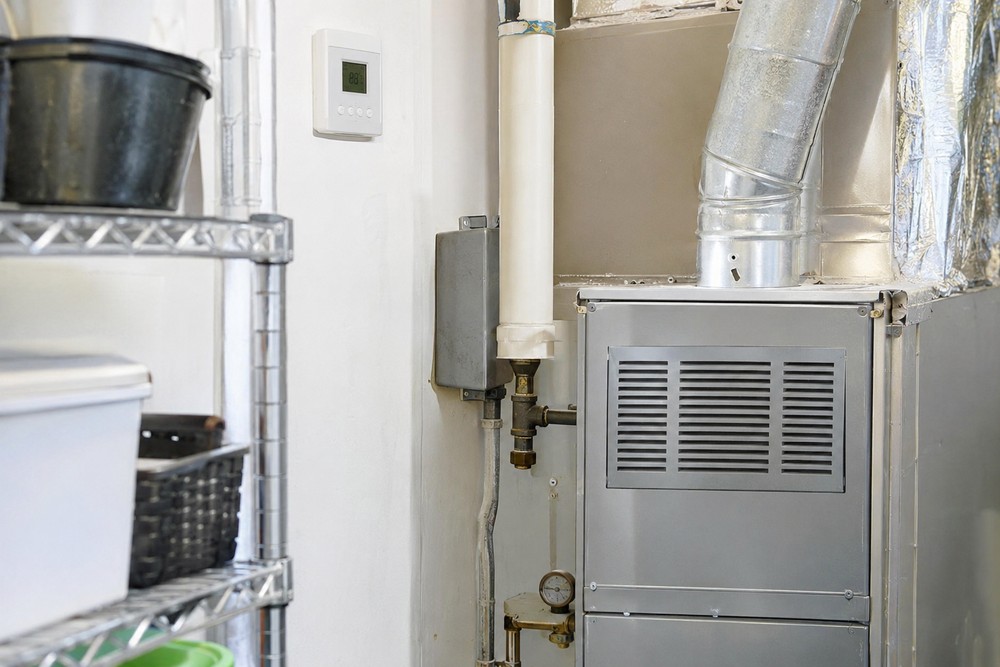
Replacing a home heating system is a significant decision that affects indoor comfort, energy consumption, and long-term household expenses. An aging heater may struggle to maintain consistent temperatures, require frequent repairs, or become increasingly expensive to operate. Choosing the right replacement and ensuring proper installation can help homeowners avoid these problems.
For homeowners considering heating installation and replacement in Wilmington, NC, it is important to evaluate the home’s heating requirements, available equipment, and installation quality before making a decision. Understanding the essential do’s and don’ts can help you choose a suitable system and make a more informed investment.
1. Do Assess Your Current Heating System
Before purchasing new equipment, consider how well your existing heater performs. Frequent breakdowns, rising utility bills, uneven temperatures, and repair costs that continue to accumulate may indicate that replacement deserves consideration.
However, these symptoms do not automatically mean a new system is necessary. A professional HVAC technician can inspect the equipment, identify underlying problems, and explain whether repairing or replacing it makes more financial sense.
Addressing minor mechanical issues early can often extend the lifespan of existing heating and cooling units without full system replacement. Staying attentive to unusual sounds or temperature fluctuations helps homeowners evaluate when AC and furnace repair is sufficient to maintain steady airflow and system safety before considering major equipment upgrades.
2. Don’t Choose a System Based on Price Alone
An inexpensive heating system may appear attractive initially, but the purchase price represents only part of its overall cost. Energy consumption, maintenance requirements, installation expenses, and expected service life also influence long-term value.
Compare estimates for equipment with similar capabilities and efficiency ratings. Ask what each proposal includes, such as installation labor, necessary modifications, thermostat compatibility, and removal of the existing unit. A clear comparison helps you understand the actual scope of work rather than choosing an option simply because its initial price is lower.
3. Do Make Sure the System Is Properly Sized
Correct sizing is essential for effective heating. A unit that is too small may struggle to maintain comfortable temperatures during colder weather. An oversized unit may cycle on and off frequently, potentially reducing efficiency and creating inconsistent comfort.
A qualified HVAC professional can perform a heating load calculation, which estimates how much heat your home requires. Factors include square footage, insulation, windows, ceiling height, air leakage, and the local climate. This assessment provides a more reliable basis for selecting equipment than simply matching the capacity of your old heater.
4. Don’t Ignore Energy Efficiency
Different heating systems consume energy in different ways. Comparing efficiency ratings can help you estimate operating costs and understand how effectively equipment converts energy into usable heat.
Consider your household’s heating habits, local electricity or fuel rates, and the climate in your area. A heat pump, for example, transfers heat rather than generating it through electrical resistance, making it an option worth discussing in suitable homes. Gas and electric furnaces may also be appropriate depending on the property’s existing infrastructure and heating requirements.
Look beyond the highest advertised efficiency rating. The most suitable choice balances efficiency, purchase cost, installation needs, and expected usage.
5. Do Compare Different Heating System Types
Homeowners may have several replacement options, including gas furnaces, electric furnaces, heat pumps, and ductless mini-split systems.
Furnaces heat air and distribute it through ductwork. Heat pumps move heat between the outdoors and indoors, providing both heating and cooling. Ductless mini-splits use individual indoor units connected to an outdoor unit, making them useful for homes without existing ductwork or for spaces requiring separate temperature control.
Discuss the advantages and limitations of each option with an HVAC professional. Existing equipment, available utilities, home layout, and comfort preferences should guide the decision.
6. Don’t Overlook Existing Ductwork and Insulation
Even a properly selected heating system can perform poorly if the surrounding home has significant air leaks or inadequate insulation. Leaky ducts may allow heated air to escape before reaching living spaces, while poorly insulated rooms can lose heat quickly.
Before installation, ask whether the ductwork should be inspected for leaks, damage, or airflow restrictions. Sealing air leaks and improving insulation where necessary can help the new system deliver heat more effectively. These improvements may also reduce unnecessary energy use without requiring a larger heating unit.
7. Do Hire a Qualified HVAC Professional
Heating system replacement involves more than removing old equipment and connecting a new unit. Correct installation may require electrical work, fuel connections, venting, refrigerant lines, thermostat configuration, and airflow adjustments, depending on the system.
Professional installation helps ensure that the equipment is appropriately sized, connected, and configured according to manufacturer instructions and applicable codes. When comparing contractors, review their experience with your preferred system type, written estimates, licensing requirements, and warranty terms.
For homeowners researching heating installation and replacement in Wilmington, NC, a professional assessment can also clarify which equipment suits the property’s existing setup and heating demands.
8. Don’t Neglect Safety and Installation Requirements
Never assume that every heating system can replace an existing unit without modifications. Gas furnaces require appropriate fuel connections and exhaust venting, while electric equipment must meet applicable electrical requirements. Heat pumps and ductless systems have their own installation considerations.
Ask the installer to explain any required changes before work begins. Carbon monoxide safety is particularly important in homes with fuel-burning appliances. Ensure that appropriate carbon monoxide alarms are installed and maintained according to manufacturer instructions and local requirements.
If you smell gas, leave the building and contact the appropriate emergency service or gas utility from a safe location. Do not attempt to diagnose a suspected gas leak yourself.
9. Do Review Warranty Coverage and Operating Costs
Before approving a replacement, read the manufacturer’s warranty information and clarify whether separate labor coverage applies. Check registration requirements, exclusions, maintenance conditions, and the procedure for requesting warranty service.
It is also useful to understand the system’s expected maintenance needs. Ask which filters require replacement, how often professional servicing is recommended, and whether any components need periodic inspection. Reviewing these details beforehand helps you plan for ownership costs beyond installation day.
10. Don’t Skip Post-Installation Testing and Maintenance
A completed installation should include checks to confirm that the equipment operates as intended. Ask the technician to test the system, verify thermostat operation, and check relevant airflow, controls, and safety functions.
Before the installer leaves, learn how to operate the thermostat, identify the correct replacement filter, and recognise warning signs that require attention. Keep installation documents and warranty information in an accessible location.
Schedule routine maintenance according to the manufacturer’s recommendations. Regular inspections can help identify developing issues, maintain performance, and support the system’s service life.
Final Thoughts
A successful heating system replacement depends on informed equipment selection, accurate sizing, professional installation, and consistent maintenance. Avoid making decisions based solely on upfront price, and consider how the system will perform within your home’s existing layout and insulation conditions.
If your current heater is becoming unreliable, arrange a professional assessment before committing to replacement. Comparing suitable systems, reviewing installation details, and understanding ongoing maintenance requirements will help you make a practical decision for your home. For homeowners considering heating installation and replacement in Wilmington, NC, careful planning can support dependable comfort and more efficient operation over time.