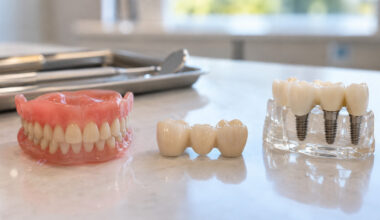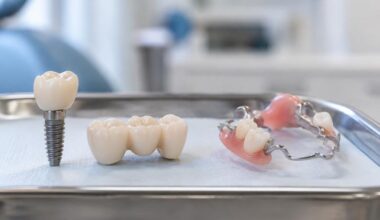
Dental care can be one of the easier health expenses to overlook in retirement planning. While medical coverage often receives the most attention, cleanings, fillings, crowns, dentures, and urgent treatment can still affect a household budget. Understanding how Delta Dental medicare advantage plans and other coverage options may work can help older adults make a more informed comparison.
Why Dental Care Belongs in Retirement Planning
Oral health affects comfort, eating, speaking, and confidence. After employer coverage ends, a retiree may carefully budget for prescriptions, doctor visits, groceries, and housing, yet fail to set aside money for two routine cleanings or an unexpected broken tooth. A crown, denture repair, periodontal treatment, or emergency extraction can then create a difficult financial decision.
Dental planning is not only about insurance. It also means considering savings, access to a familiar dentist, transportation to appointments, and the likelihood of future care. A practical budget includes a modest reserve for expenses that a plan may not fully cover.
What Original Medicare Usually Covers
Original Medicare generally excludes routine cleanings, fillings, extractions, dentures, and implants. In limited circumstances, Medicare may cover dental services that are directly connected to a covered medical treatment, such as certain services needed before a transplant, heart valve replacement, cancer treatment, or dialysis-related care.
The important distinction is medical necessity within a covered medical treatment. A routine cleaning or filling is usually handled differently from dental care that must be completed for a covered procedure to succeed. Before scheduling treatment, ask the medical provider, dental office, and Medicare representative how the service will be classified and billed.
Common Ways Older Adults Pay for Dental Care
- Medicare Advantage plans: Some offer dental benefits as part of their overall coverage. The scope of benefits can differ substantially by plan and location.
- Standalone dental insurance: A separate policy can work alongside Original Medicare. It may have its own premium, deductible, annual maximum, and network.
- Retiree benefits: Former employers or unions may continue some dental coverage after retirement. Review the current benefit booklet rather than relying on old enrollment materials.
- Medicaid: Adult dental benefits vary by state and eligibility category. People who may qualify should review their state’s adult dental benefit information for details.
- Self-payment: Cash pricing, payment plans, community health centers, and dental school clinics may be options when coverage is limited or unavailable.
How to Compare Dental Benefits
Start with anticipated needs instead of the monthly premium alone. Make a list of services that may be needed in the coming year, including exams, cleanings, X-rays, fillings, periodontal care, crowns, bridges, dentures, or implants. Then compare each plan using the same checklist:
- Confirm whether the preferred dentist and needed specialists participate in the network.
- Check the annual benefit maximum and any separate limits for major services.
- Review deductibles, copayments, and coinsurance.
- Determine whether preventive, basic, and major services receive different levels of coverage.
- Check frequency limits for cleanings, exams, X-rays, and periodontal evaluations.
- Ask how treatment is handled when it begins in one plan year and finishes in the next.
- Estimate the yearly cost by adding premiums to likely out-of-pocket expenses.
Questions to Ask Before Choosing a Plan
- Is my current dentist in the network, and will that status be confirmed before I enroll?
- Are referrals required to see a specialist?
- Are crowns, bridges, dentures, implants, and periodontal services included?
- Does the plan exclude certain treatments?
- What is the maximum the plan will pay during the year?
- Does out-of-network care receive any coverage?
- Will I owe a remaining balance after the plan pays?
- Can the dental office request a pre-treatment estimate before major work begins?
Why Provider Networks Matter
In-network dentists generally agree to the plan’s negotiated payment terms, while out-of-network care may cost more or receive less coverage. Network status can be especially important for expensive treatment. Provider directories can change, so verify participation with both the plan and the dental office shortly before enrollment and again before treatment.
A Simple Cost-Planning Worksheet
Copy this list into a notebook or spreadsheet when comparing options:
- Monthly premium: $_____
- Annual deductible: $_____
- Expected preventive visits: $_____
- Expected treatment: $_____
- Annual plan maximum: $_____
- Estimated out-of-pocket amount: $_____
- Emergency reserve: $_____
This worksheet is an estimate, not a guarantee of coverage. Final costs can depend on the dentist, location, materials used, treatment needed, claim processing, and plan rules.
Ways to Reduce Unexpected Dental Bills
- Schedule recommended exams so concerns can be evaluated before they become urgent.
- Request a written treatment plan and cost estimate for significant work.
- Ask the office to submit a pre-treatment estimate when available.
- Discuss whether timing treatment across plan years could affect the availability of benefits.
- Ask about clinically appropriate alternatives if the proposed treatment exceeds the budget.
- Keep benefit summaries, treatment plans, explanations of benefits, and claim records.
Special Considerations for Caregivers
Caregivers can make dental decisions easier by keeping a current list of dentists, specialists, medications, allergies, and medical conditions. With appropriate permission, they can communicate with the dental office, track claim and appeal deadlines, help arrange transportation, and request written after-care instructions. This preparation is particularly helpful when a person has complex health needs or difficulty managing paperwork.
Common Mistakes to Avoid
- Choosing coverage based only on the monthly premium.
- Assuming every service is covered because a plan advertises dental benefits.
- Skipping the provider-network check.
- Overlooking annual maximums and frequency limits.
- Waiting for a dental emergency before reviewing payment options.
- Signing a treatment plan without discussing estimated costs.
Frequently Asked Questions
Does Medicare cover routine cleanings?
Original Medicare generally does not cover routine cleanings. Some Medicare Advantage plans may include preventive dental services, subject to the specific plan’s rules.
Can a person keep the same dentist after retirement?
Possibly, but it depends on the selected coverage and whether the dentist participates in its network. Confirm participation directly before enrolling.
Are dentures and implants covered?
Coverage varies by plan. Some benefits may be limited, may apply only to certain services, or may have separate limits and member cost-sharing.
Should a person buy dental coverage?
The answer depends on the expected care, available savings, the dentist’s preferences, and the total yearly cost. Comparing likely expenses is more useful than relying on a one-size-fits-all recommendation.
Conclusion
Dental coverage deserves careful attention during retirement planning. In 2026, older adults and caregivers can make stronger choices by comparing services, networks, annual limits, and total expected costs. A thoughtful review before enrollment can reduce uncertainty and make future dental care easier to manage.