Key Takeaways
- Louis homes can face different pest pressures as temperatures, rainfall, moisture, and available shelter change throughout the year.
- Routine work around food, water, clutter, and entry points can make a home less attractive to pests.
- Correct identification matters because a single sighting does not always require the same response as ongoing activity.
- Persistent pests, possible structural damage, and hard-to-reach activity are good reasons to seek professional help.
Seasonal prevention is more manageable when it becomes part of regular home maintenance. For homeowners who need support beyond basic upkeep, St. Louis pest control from Pointe Pest Control offers residential and commercial service for St. Louis and nearby Eastern Missouri communities, including O’Fallon. Pointe Pest Control describes its team as state-certified and uses property inspections and customized treatment plans, making it a relevant local resource when prevention steps do not resolve an active pest issue.
Whether a home is a historic brick property with a basement, a newer build near growing suburbs, or a house bordered by mature trees and landscaping, the goal stays the same: reduce the food, moisture, and shelter pests need.
Why Seasonal Planning Matters
Pests respond to their surroundings. Rain can increase dampness near foundations and gutters, summer heat can make standing water more important, and cold weather can send rodents toward protected indoor spaces. A practical approach combines inspection, sanitation, exclusion, and focused treatment rather than relying on a single cleaning session or a broad spray.
The Environmental Protection Agency explains that integrated pest management principles begin with monitoring, accurate identification, and prevention. For a homeowner, that means identifying the cause of the activity before choosing a product. An ant trail, for example, may indicate a food spill, a moisture issue, or an outdoor entry point.
Winter Pest Prevention
Winter is a useful time to focus on exclusion and indoor storage. Rodents and other pests can use small gaps around foundations, pipes, vents, doors, and utility lines to reach warmer, protected areas.
Winter Tasks To Include
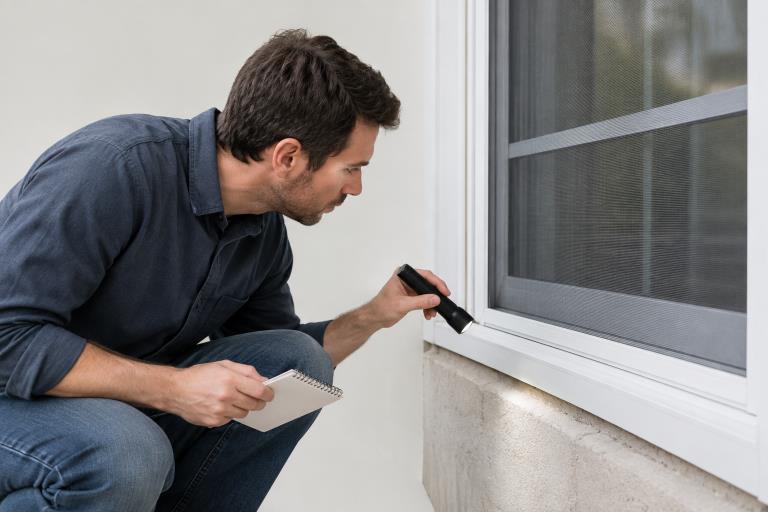
- Inspect the foundation, basement windows, door sweeps, vents, and utility openings for gaps or damage.
- Store firewood away from the home and raise it off the ground when possible.
- Reduce cardboard, paper, and unused clutter in basements, attics, garages, and storage rooms.
- Repair plumbing leaks and dry damp areas around sinks, laundry appliances, and water heaters.
- Watch for droppings, gnaw marks, nesting material, grease marks, or scratching sounds.
Spring Inspection And Cleanup
Spring is an ideal time to walk the property before outdoor insect activity becomes more noticeable. Winter weather can reveal loose mortar, damaged screens, clogged gutters, and cracks that deserve attention.
Spring Inspection Points
- Check the foundation and siding for cracks, gaps, loose materials, and openings around cables or pipes.
- Clean gutters and downspouts to direct water away from the structure.
- Trim shrubs, vines, and tree branches away from siding, windows, and rooflines.
- Look for ant activity near kitchens, bathrooms, patios, and exterior walls.
- Inspect basements and crawl spaces for dampness, condensation, or musty odors.
- Move pantry staples into sealed containers and empty indoor trash regularly.
Summer Moisture And Mosquito Control
Warm, humid conditions can make outdoor moisture control especially important. Check patios, decks, play areas, garden containers, rain barrels, sheds, and low spots in the yard after storms. Clogged gutters and items left beneath outdoor furniture can also hold water. The CDC recommends checking water-holding containers each week and emptying, scrubbing, turning over, covering, or removing them when possible. Flowerpot saucers, toys, buckets, birdbaths, pool covers, and trash containers all deserve a quick look.
Summer Prevention Steps
- Repair holes in window and door screens, and keep garage doors closed when not in use.
- Keep grass trimmed and remove piles of leaves, branches, and yard waste.
- Check gutters and downspouts after heavy rain.
- Use EPA-registered insect repellent as directed when spending time outdoors.
- Bring pet food indoors after feeding rather than leaving it outside overnight.
Fall Rodent And Indoor Pest Checks
Fall is the time to close gaps before colder conditions arrive. Pay close attention to garages, rooflines, attic vents, pipe penetrations, and the point where utility lines enter the home.
Fall Checklist
- Seal accessible gaps around pipes, cables, and utility lines with suitable materials.
- Repair torn screens and damaged vent covers.
- Inspect the attic for disturbed insulation, nesting material, droppings, or roof gaps.
- Clean crumbs and food residue from behind appliances and inside pantry areas.
- Store birdseed, pet food, and grass seed in hard-sided containers with secure lids.
- Remove fallen fruit and decaying produce from outdoor areas.
The Home Pest-Prevention Checklist
- Weekly kitchen check: Review food storage, crumbs, trash, leaks, and cabinet gaps.
- Monthly basement check: Look for moisture, clutter, cracks, and signs of rodents.
- Monthly exterior check: Examine foundation gaps, vegetation, standing water, and screens.
- Twice-yearly attic check: Look for droppings, nesting material, roof openings, and insulation disturbance.
- Spring and fall gutter check: Clear leaves and confirm downspouts are not blocked.
DIY Methods Or Professional Help
DIY Steps May Be Reasonable When:
- A single pest appears without repeated sightings or other signs of activity.
- The issue is clearly tied to clutter, food residue, standing water, or an obvious entry point.
- The homeowner can safely complete the cleanup, repair, or label-directed treatment.
Professional Help May Be Appropriate When:
- Pests return after cleaning and sealing efforts.
- There are signs of termites, bed bugs, rodents, or a large nest of stinging insects.
- Activity is inside walls, ceilings, crawl spaces, or other difficult locations.
- The pest cannot be confidently identified, or household members could be exposed to treatment risks.
Local St. Louis Pest-Control Considerations
Across St. Louis, St. Louis County, and nearby communities, homes can differ widely in age, drainage, masonry, landscaping, and basement construction. Older homes may need extra attention around mortar joints, aging screens, basement windows, and utility openings. Properties near dense vegetation or areas that collect runoff may benefit from more frequent exterior checks.
Common Questions
How Often Should A Homeowner Inspect For Pests?
A quick monthly inspection is a practical baseline, with more detailed checks in spring and fall. Homes with prior pest activity, moisture concerns, or heavy nearby vegetation may require closer monitoring.
Does One Pest Mean There Is An Infestation?
Not necessarily. One sighting may be incidental, but repeated sightings, droppings, damage, nesting material, or activity in multiple rooms can indicate a larger problem.
Why Do Pests Enter Homes After Rain?
Heavy rain can disrupt outdoor shelter and increase moisture around foundations, crawl spaces, gutters, and low areas. Some pests may then move in search of drier shelter or new hiding places.
Should Homeowners Use Foggers For Indoor Pests?
Foggers may not reach pests hiding in cracks, wall voids, nests, or other protected spaces. Follow all product label directions and consider a targeted professional inspection when the source is unclear.
Conclusion
Seasonal pest prevention works best as a routine, not a one-time project. Checking moisture, food storage, entry points, and outdoor clutter year-round can help make a St. Louis home less inviting to pests. When activity continues, or the pest is difficult to identify, a qualified professional can help determine the cause and select a focused solution.