Introduction to Hazardous Materials in Structural Demolition
Demolishing concrete structures is a necessary step for many projects. Whether it’s for renovation, new construction, or safety, these jobs require careful planning. However, beneath the surface of many older buildings lie hidden dangers. These dangers can turn a simple demolition into a serious health risk.
This guide, “Safety First: The Importance of Professional Asbestos Abatement,” highlights a critical concern: hazardous materials. Among these, asbestos is particularly dangerous. When disturbed during demolition, asbestos fibers can cause severe, long-term health problems. This makes professional abatement not just a best practice, but a necessity.
Before any concrete is broken, we must understand the full scope of a project. This involves comprehensive engineering surveys and structural assessments. These vital steps help us identify all hazardous substances. They also ensure we meet strict OSHA standards and complete thorough pre-renovation audits. Effective dust control is also essential to protect workers and the surrounding environment.
In the following sections, we will explore why managing hazardous materials is paramount. We will also delve into the various techniques used for concrete demolition. Our goal is to provide a comprehensive resource for safe, compliant, and efficient structural demolition.
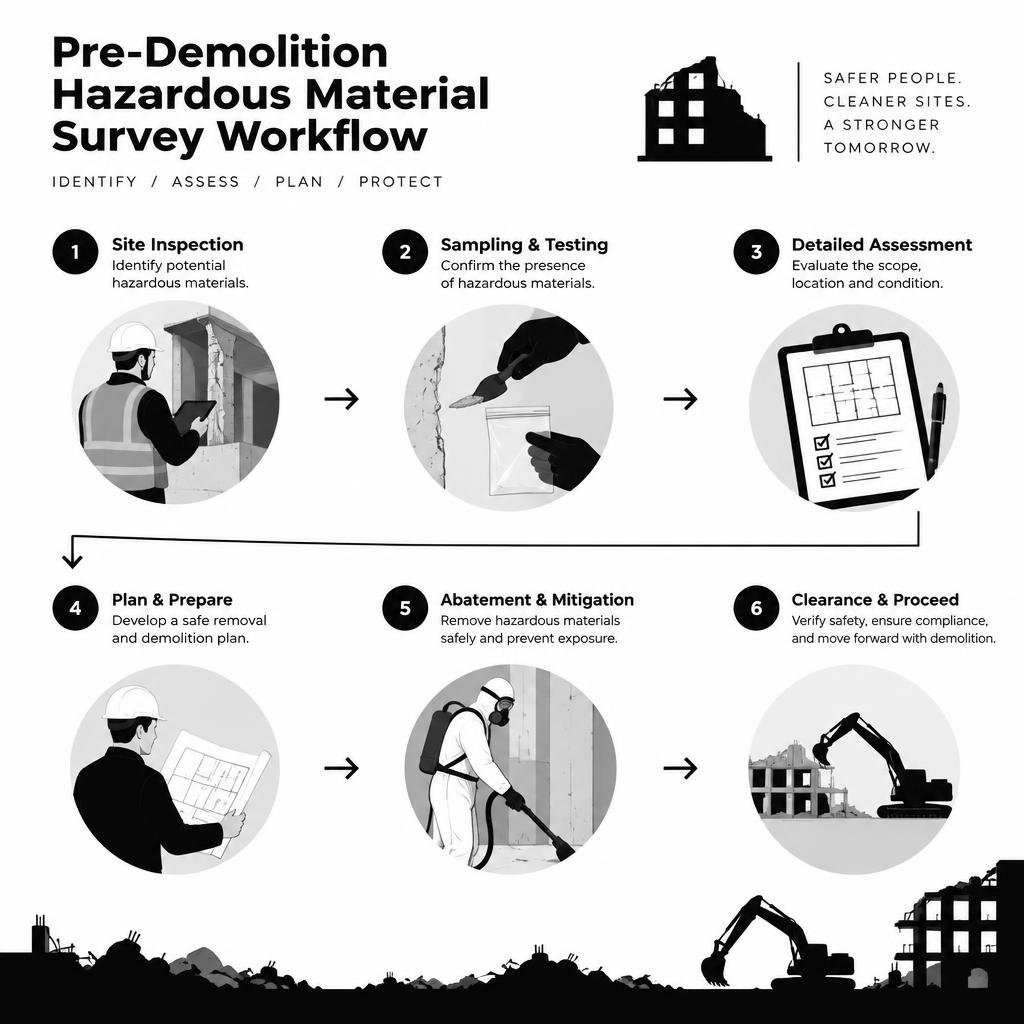
Why Professional Asbestos Abatement is Essential Before Demolition
The presence of asbestos in older concrete structures poses a significant challenge for demolition contractors. This naturally occurring fibrous mineral was once prized for its heat resistance and insulating properties, finding its way into countless building materials before its health risks became widely known. Today, disturbing asbestos-containing materials (ACMs) during demolition can release microscopic fibers into the air, leading to serious respiratory illnesses such as asbestosis, lung cancer, and mesothelioma.
Professional asbestos abatement is not merely a regulatory obligation; it is a critical safeguard for human health, environmental protection, and project integrity. By engaging experienced specialists, we ensure hazardous mitigation is handled with the utmost care, prioritizing worker safety on-site and preventing exposure to the public. This proactive approach significantly reduces liability for property owners and contractors. Furthermore, proper abatement ensures permit compliance, avoiding costly delays and legal repercussions that can arise from mishandling regulated materials. Professional abatement is a cornerstone of responsible environmental protection, preventing the spread of contaminants and facilitating safer, more sustainable demolition practices. For detailed insights into integrating safe practices in demolition projects, especially concerning materials like asbestos, we recommend exploring resources on asbestos abatement and demolition.
Regulatory Compliance and Engineering Standards for Asbestos Abatement
Navigating the complex landscape of demolition requires strict adherence to regulatory compliance and robust engineering standards. Before any demolition operations commence, particularly those involving concrete structures, a thorough engineering survey is mandated by OSHA Standard [29 CFR 1926.850(a)]. This survey must be undertaken by a competent person to assess the structural integrity, identify potential hazards, and prevent premature collapse. It forms the bedrock of our planning, determining the condition of the structure’s framing, floors, and walls, and informing the entire wrecking process.
Federal standards under the National Emission Standards for Hazardous Air Pollutants (NESHAP) also govern demolition activities. NESHAP regulations mandate a formal pre-demolition notification to designated state or federal environmental protection agencies at least 10 working days prior to beginning structural demolition, even if no asbestos is identified during preliminary sampling. Accredited inspectors systematically sample suspect building materials using Polarized Light Microscopy (PLM) and Transmission Electron Microscopy (TEM) analysis to quantify asbestos concentrations down to fractions of a percent.
Beyond structural assessments, securing environmental permits is a crucial preliminary step. Most governmental bodies require a permit for any structural demolition, ensuring public safety and compliance with environmental and hazardous material regulations. This process often involves detailed site inspections and adherence to municipal codes. A critical preparatory operation is utility disconnection; all electric, gas, water, steam, sewer, and other service lines must be shut off, capped, or otherwise controlled at or outside the building. This requires advance notification and approval from utility companies to prevent accidents and service disruptions. Our comprehensive approach ensures that every project begins with meticulous planning, safeguarding both personnel and the surrounding environment.
Health Risks and Containment Protocols in Asbestos Abatement
The health risks associated with disturbing asbestos during demolition are severe and long-lasting. When asbestos-containing materials are broken or cut, they release microscopic fibers that, if inhaled, can embed in the lungs and lead to debilitating diseases. This makes stringent containment protocols absolutely essential during asbestos abatement.
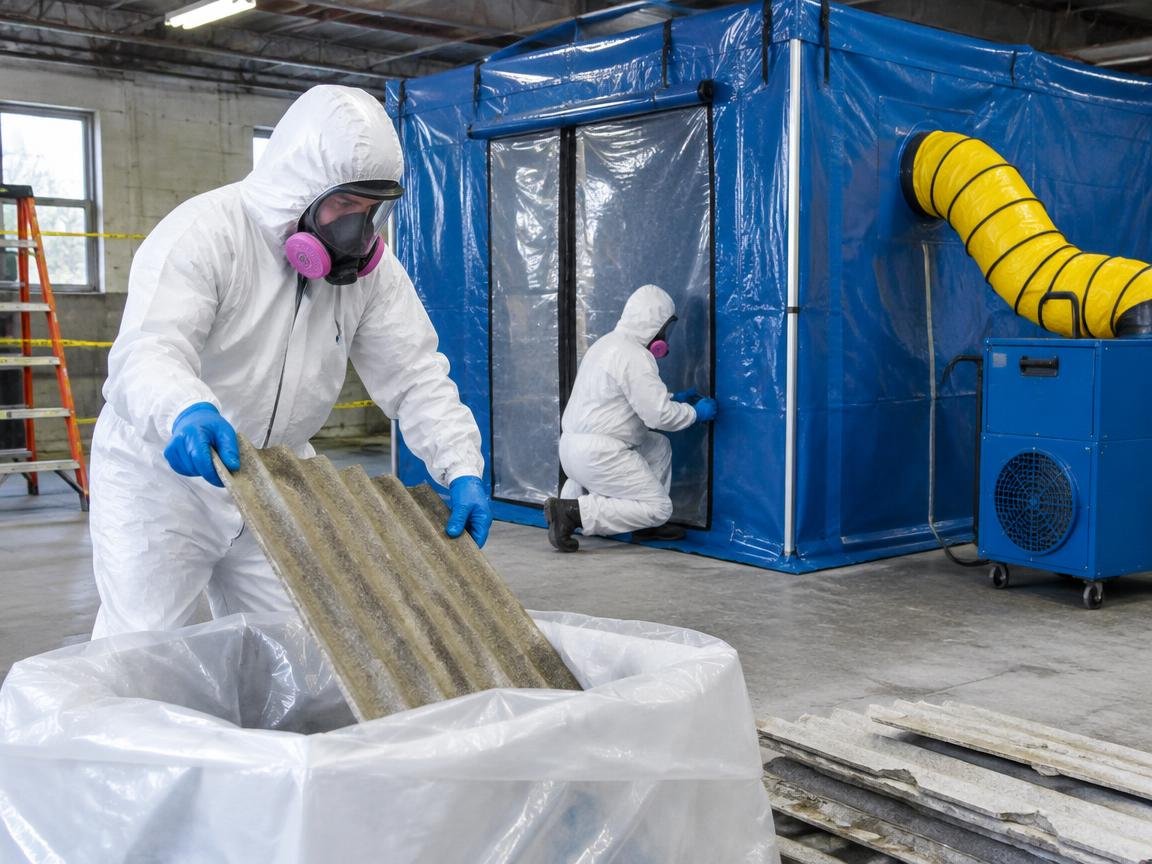
To mitigate these risks, professional abatement teams employ a multi-layered strategy. This typically involves establishing controlled abatement containment zones, often utilizing negative air pressure systems. These systems prevent airborne fibers from escaping the work area by continuously drawing air out through High-Efficiency Particulate Air (HEPA) filtration units, which capture even the smallest asbestos particles (99.97% of particles down to 0.3 microns). Workers operate within these controlled environments, protected by specialized personal protective equipment (PPE), including powered air-purifying respirators (PAPRs), disposable impermeable coveralls, and protective gloves. Abatement specialists employ wet methods—saturating materials with amended water prior to cutting or removal—to prevent friable dust generation.
Decontamination enclosures featuring clean rooms, shower units, and equipment airlocks are set up at entry and exit points, ensuring that workers and gear are thoroughly cleaned before leaving the containment zone. Continuous baseline, operational, and clearance air monitoring using Phase Contrast Microscopy (PCM) ensures that airborne fiber concentrations strictly remain below mandatory clearance thresholds (typically 0.01 fibers per cubic centimeter) before containment seals are dismantled. Contaminated waste is securely double-bagged in labeled, leak-tight 6-mil poly bags, manifested, and transported to certified hazardous waste disposal facilities.
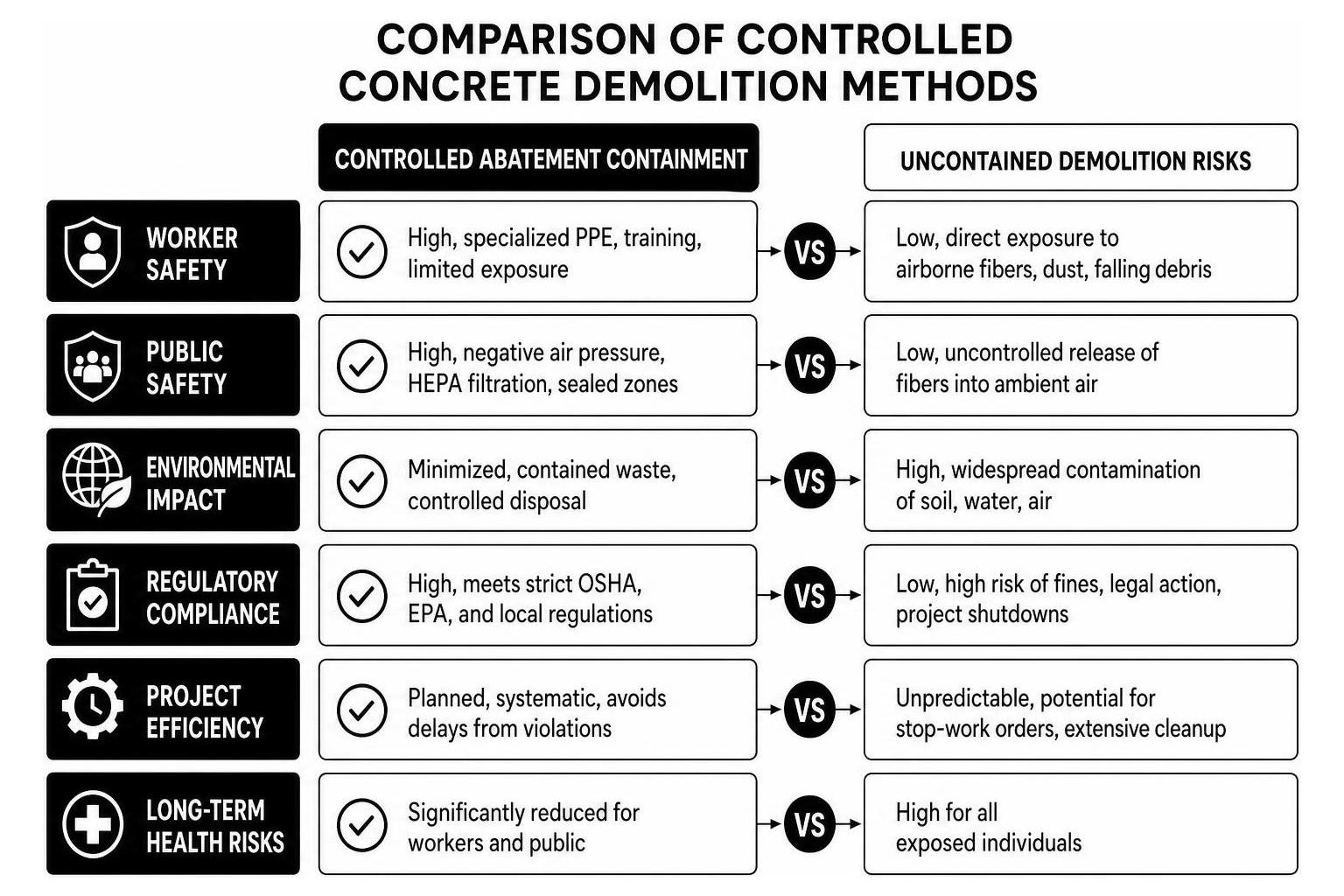
The contrast between controlled abatement and uncontained demolition is stark, as highlighted in the table below:
Feature Controlled Abatement Containment Uncontained Demolition Risks Worker Safety High, specialized PPE, training, limited exposure Low, direct exposure to airborne fibers, dust, falling debris Public Safety High, negative air pressure, HEPA filtration, sealed zones Low, uncontrolled release of fibers into ambient air Environmental Impact Minimized, contained waste, controlled disposal High, widespread contamination of soil, water, air Regulatory Compliance High, meets strict OSHA, EPA, and local regulations Low, high risk of fines, legal action, project shutdowns Project Efficiency Planned, systematic, avoids delays from violations Unpredictable, potential for stop-work orders, extensive cleanup Long-term Health Risks Significantly reduced for workers and public High for all exposed individuals This meticulous approach ensures that hazardous materials are managed safely, protecting everyone involved and maintaining a safe work environment.
Safe Integration of Deconstruction and Material Handling
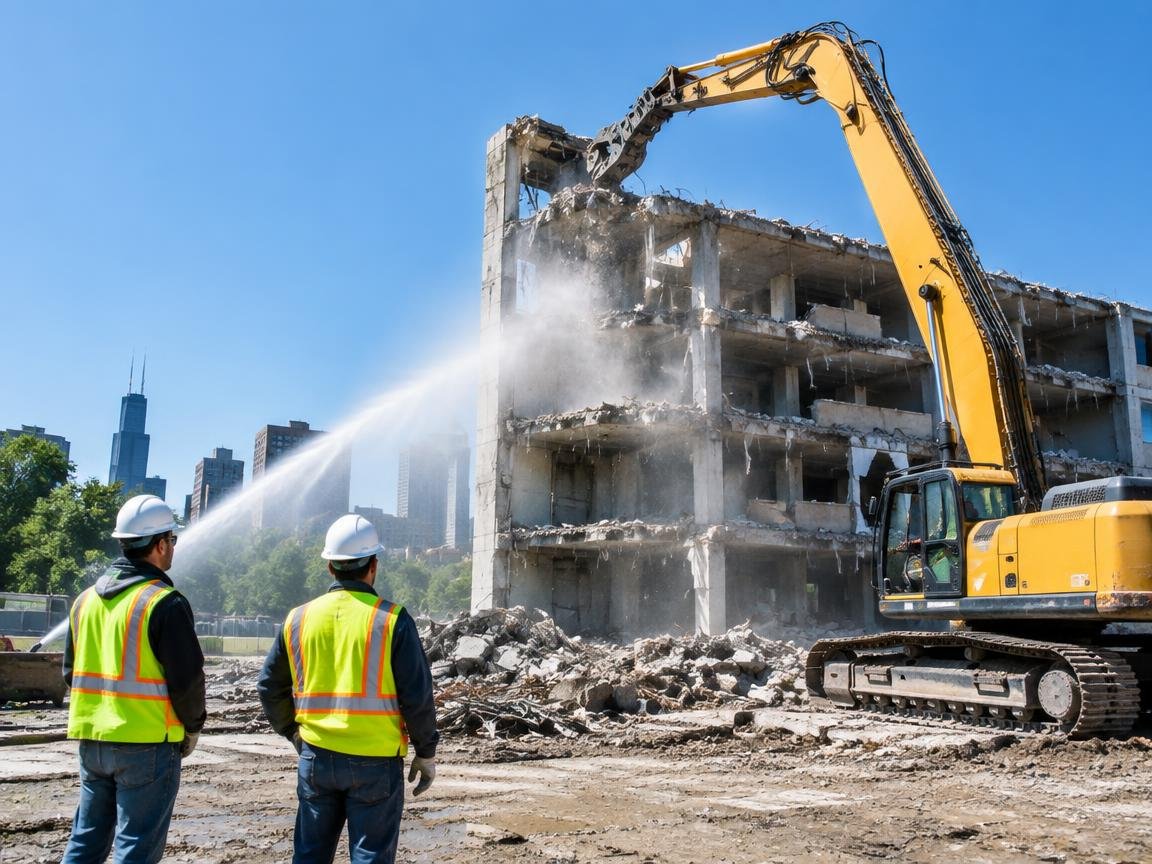
The evolution of demolition techniques has increasingly focused on the safe integration of deconstruction and responsible material handling. Modern projects aim not just to tear down, but to systematically dismantle structures, minimizing environmental impact and maximizing resource recovery. This approach emphasizes structural dismantling with precision, employing advanced techniques for dust suppression and vibration management to protect surrounding areas and personnel.
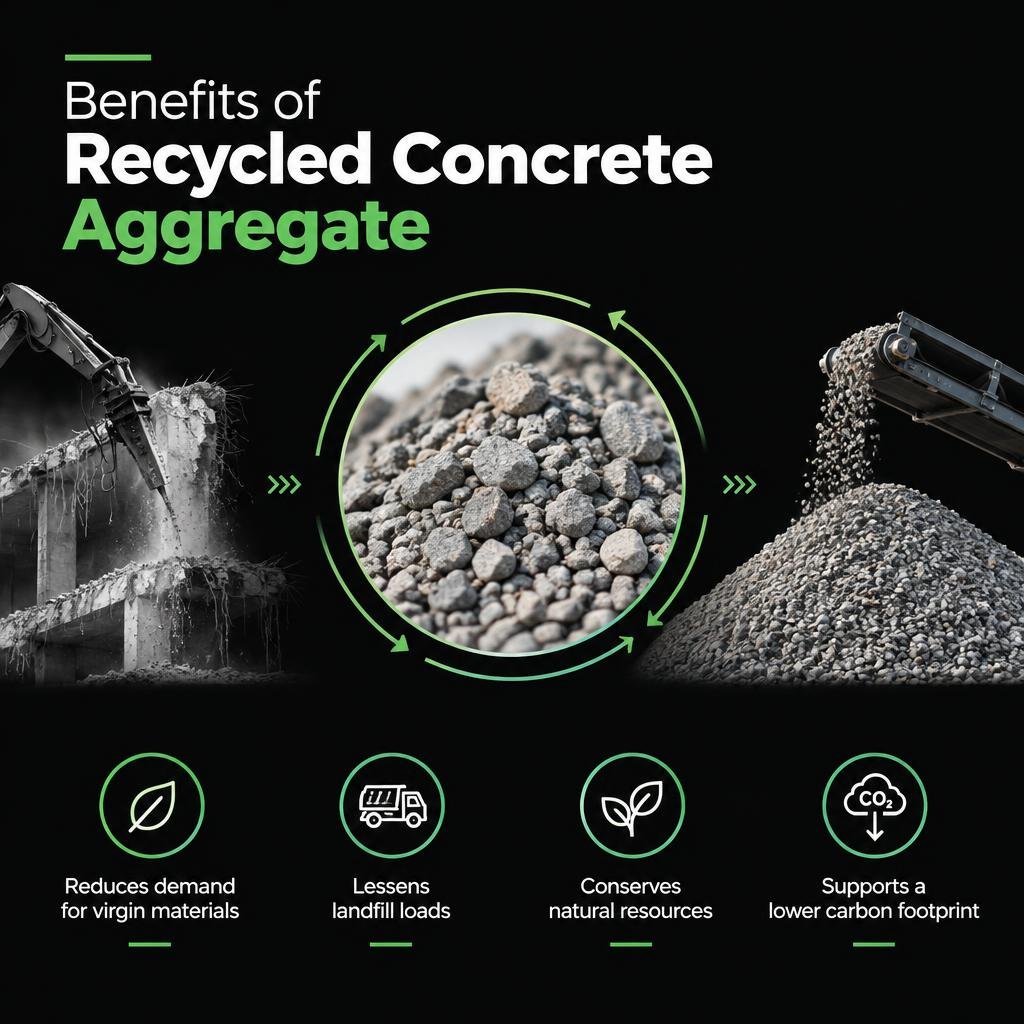
Effective waste segregation at the source is paramount, allowing for the separation of different materials for recycling or specialized disposal. Recovered concrete, for instance, can be processed into recycled aggregate, reducing the demand for virgin materials and lessening landfill loads. This shift towards environmental remediation and resource efficiency is transforming the demolition industry, prioritizing sustainability alongside safety and project completion.
Selective Concrete Demolition and Structural Stability
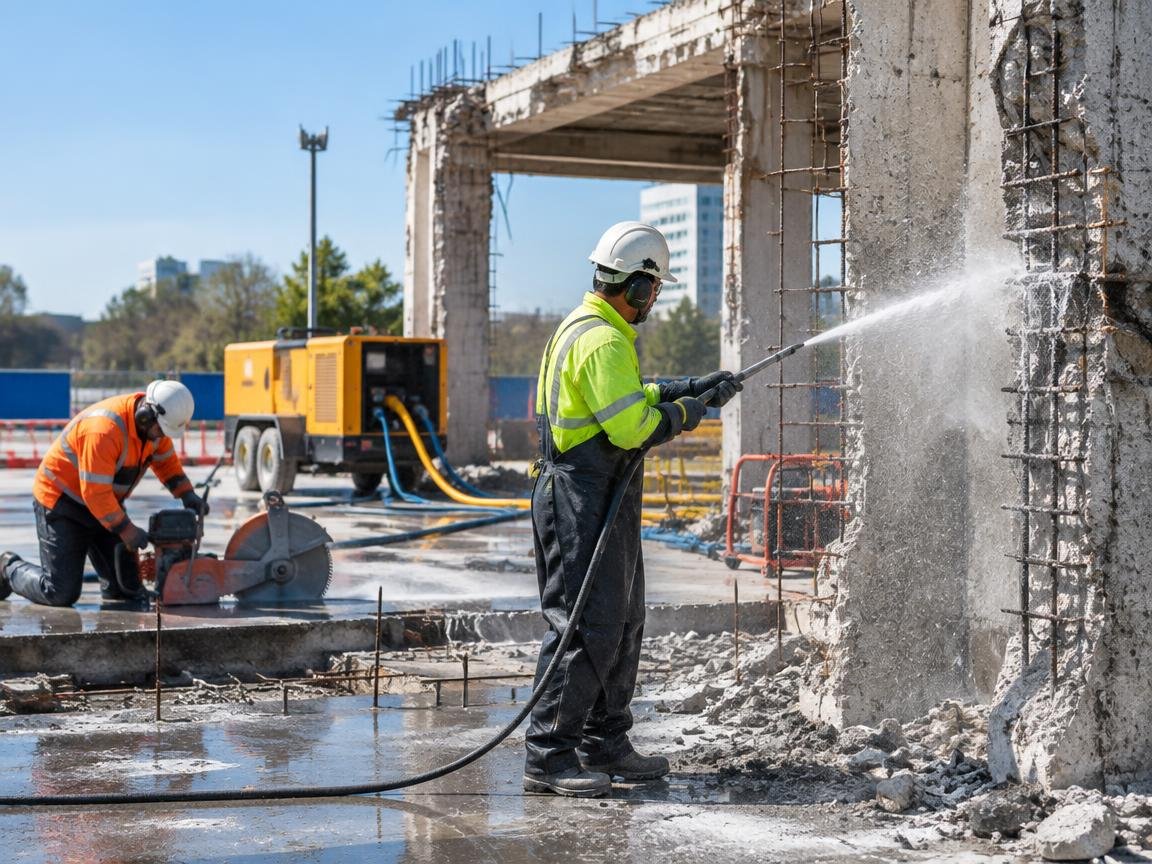
Selective concrete demolition is a nuanced process that involves removing only targeted sections of a structure, rather than the entire building. This “strip-out” approach is crucial for renovations, rehabilitations, or when preserving specific structural components. The choice of technique depends heavily on the project’s sensitivity, the type of concrete, and the surrounding environment.
For precision and minimal disturbance, methods like diamond sawing are invaluable. This specialized form of demolition uses diamond-tipped blades or wires to make clean, accurate cuts through concrete and even reinforced steel, generating less airborne debris than traditional hammering. Similarly, hydrodemolition leverages high-pressure water jets (often exceeding 20,000 psi) to erode concrete. This technique is particularly effective for removing concrete without damaging the underlying reinforcing steel, making it ideal for repair work or when preserving rebar is critical.
In hazardous or confined spaces, robotic demolition offers a solution that combines precision with enhanced safety. Remote-controlled or robotic machines can operate in areas too dangerous for human entry, performing tasks without excessive vibration or dust. Another controlled method is expansive grout, such as Dexpan, which, when mixed with water and poured into drilled holes, generates significant expansive force (e.g., 18,000 PSI) to slowly crack concrete, reinforced concrete, and rock without noise, dust, or vibration. Pressure bursting, whether hydraulic or chemical, achieves a similar controlled split in concrete structures.
Maintaining structural stability is paramount during selective demolition, especially when dealing with complex elements like prestressed concrete. These structures store immense energy, and their demolition requires careful identification of prestressed members and adherence to specific procedures, often necessitating professional engineering advice and robust shoring systems. Effective vibration control is also crucial to prevent damage to adjacent structures and ensure overall site safety.
Waste Segregation, Crushing, and Material Recycling
The modern approach to concrete demolition extends far beyond simply breaking down structures; it encompasses a holistic strategy for waste segregation, crushing, and material recycling. This commitment to sustainable construction demolition waste (CDW) management is crucial for minimizing environmental pollution, improving on-site safety, and maximizing resource recovery.
Effective waste segregation begins at the point of demolition, separating concrete debris from other materials like metals, wood, and hazardous substances. This initial sorting significantly streamlines the recycling process. Once segregated, concrete can be transported to specialized facilities or, increasingly, crushed on-site using mobile and portable crushing units. This on-site crushing capability is a game-changer, allowing demolished concrete to be processed into clean aggregate for future fills or sub-bases, often down to a ¾ inch size. This not only reduces the need to import new materials but also drastically cuts down on the costs and environmental impact associated with transporting waste off-site.
The reuse of recycled aggregate contributes significantly to environmental sustainability. It lessens landfill loads, conserves natural resources, and can even help projects qualify for LEED credits, such as Credit 4 (Materials and Resources), which recognizes the use of post-consumer or post-industrial recycled content. Crushed concrete can be compacted to serve as structural fill, offering a robust and environmentally friendly alternative to virgin materials.
However, it’s important to note that while concrete is highly recyclable, strict protocols govern the removal and disposal of hazardous materials like asbestos, lead paint, or chemical residues that may be embedded within the concrete matrix. These materials require specialized handling and disposal to prevent contamination and ensure environmental protection. The efficiency and accuracy of methods like hydrodemolition and diamond wire sawing also play a role in improving waste management, as they produce cleaner, more manageable debris, further enhancing the potential for recycling.