Fresh paint and clever staging exist for one reason: to distract you. It’s easy to get caught up figuring out where your couch goes, but a shiny kitchen won’t save you when the foundation drops or the roof starts leaking. A good home inspection is the only real barrier between you and someone else’s financial nightmare. You aren’t paying an inspector to compliment the walls; you pay them to drag themselves through the crawlspace, bake in the attic, and find the dealbreakers before you sign away your life savings.
Structural Integrity and Foundation Movements
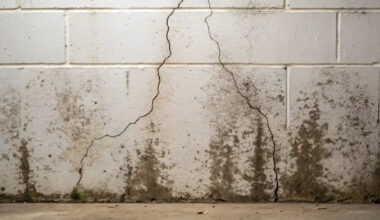
A few hairline cracks in the drywall aren’t an automatic emergency, but you have to know the difference between normal house settling and actual structural failure. If doors bind in their frames or you spot nasty diagonal cracks creeping up from the door corners, the foundation is actively moving. Head outside and check the brickwork; stair-step cracks running through the mortar or gaps near the dirt mean bad drainage or shifting soil is chewing up the base.
Walk around and pay attention to how the floor feels under your boots. A marble rolling across a supposedly flat room points right to rotted timber stumps, rusted steel piers, or sagging joists down below. Patching plaster is cheap; re-levelling a sunken house will drain every cent you have. If your inspector flags structural movement, get a proper engineer out there before you hand over a single dollar.
Roof Condition, Gutters, and Site Drainage
Water ruins houses fast, and the roof is its main defense. The roofline tells you everything about past maintenance. Sagging lines, cracked tiles, or rusted iron sheets mean water is getting inside and rotting timber trusses. Pay close attention to gutters and downpipes, because rusted or clogged systems dump rainwater straight against your foundation. Water stains on the eaves outside mean water is pooling where it shouldn’t.
Check how the yard handles rain, too. The ground around the house should slope away from outer walls to push water toward storm drains. If the yard slopes back toward the building, heavy storms will turn your subfloor into a muddy swamp.
Plumbing Systems, Water Pressure, and Hidden Leaks
Plumbing disasters stay buried behind walls until they burst and wreck your wallet. Turn on the shower and sink taps at once to test water pressure. Stick your head under every cabinet to check for soggy wood, musty smells, or active drips that quietly rot out subfloors.
When shopping homes for sale Gold Coast, remember salt air and coastal humidity wear down plumbing fast. Check the age tag on the hot water system, if it’s past ten years old or rusting, budget for a replacement immediately. Slow drains usually mean tree roots have crushed the main line underground.
Electrical Switchboards, Wiring, and Safety Switches
Junk wiring isn’t just a nuisance; it’s a house fire waiting to happen, and insurance companies know it. Walk straight to the meter box before looking at the kitchen. If you spot old ceramic fuses instead of proper safety breakers, budget a few grand for an immediate electrical overhaul. Vintage wiring wasn’t built to run modern air cons and big screens without frying the circuits.
Inside, check every wall outlet. Scorched plastic, warm faceplates, or faint buzzing mean wires are arcing inside the walls. If extension cords snake down every hallway, you don’t have enough plugs for normal life, and adding them later means cutting open drywall.
Outdated panels and inadequate outlet layouts can also pose ongoing safety risks if left unaddressed during home upgrades. Scheduling updates through DT Electric residential electrical services can help streamline capacity upgrades, ensuring the system safely supports modern power demands without overloading existing circuits.
Addressing electrical issues early prevents severe safety hazards and costly disruptions down the line. When sudden power failures, burning odors, or flickering lights indicate urgent system faults, consulting a BH3 Industries emergency electrician ensures critical safety repairs are handled promptly before further damage occurs to household appliances or hidden wiring.
Pest Activity, Wood Rot, and Moisture Levels
Termites will chew through tens of thousands in timber before you ever spot a single bug, turning wall studs and roof trusses into hollow shells. A proper inspector uses thermal cameras to catch nests hiding behind a fresh coat of paint. Look for mud tubes on the slab, hollow baseboards, or sills that squish under your thumb.
Damp wood is an open invitation for pests. Bad subfloor airflow and hidden leaks create the muggy environment termites love. If the crawlspace smells rank, water is trapped in the frame. Never skip a dedicated timber pest report.
Falling for a property makes you completely blind to red flags. No house is flawless; even brand-new builds turn up with defects on paper. The real trick is knowing what’s an easy cosmetic fix versus a structural money pit that will bleed your bank account dry. Use that inspection report as raw leverage to demand a price drop or force the seller to make repairs. If they dig in their heels on major dealbreakers, have the guts to walk away and find a place that won’t ruin you.