Mold Is a Symptom With Excellent Detective Skills
The quick growth of a fuzzy garden rarely causes basement mold. This is frequently the evident clue to a broader moisture mystery. Mold can appear as black dots on a wall, greenish patches behind storage boxes, or a musty smell that follows you like an unwanted houseguest.
The mold itself is not the original troublemaker. It is taking advantage of conditions that already exist. Damp building materials, stale air, cool surfaces, and hidden leaks create an indoor environment where mold can settle in comfortably. Once it has moisture and something organic to eat, such as drywall paper, wood, cardboard, or dust, it does not need an invitation.
That is why removing the visible growth without investigating the basement is a little like mopping the floor while the bathtub is still overflowing. The floor may look better for a while, but the problem is still busy making a comeback.
The Basement Has Several Built In Moisture Traps
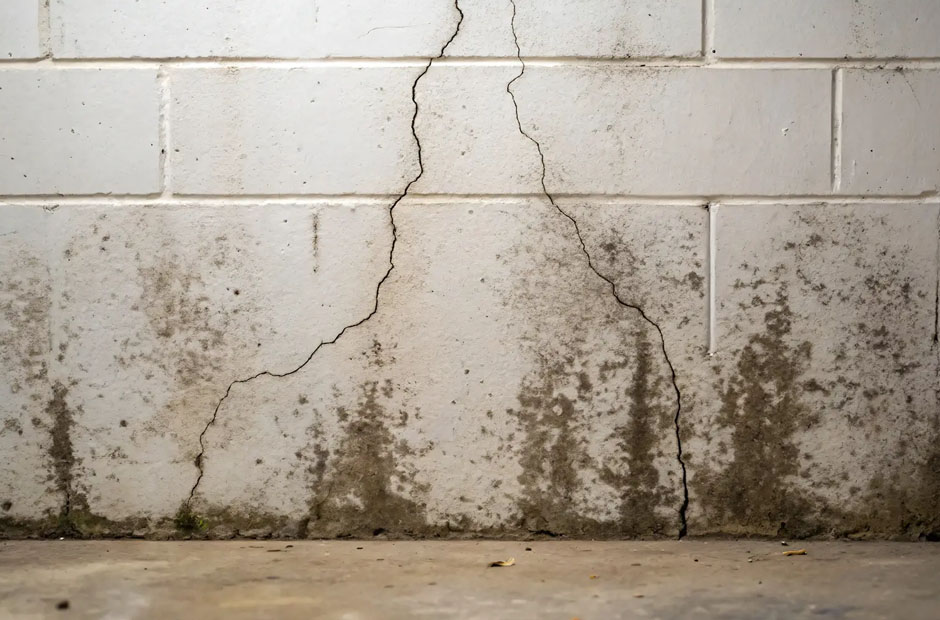
Basements are naturally vulnerable because they sit below ground level. Soil surrounding the foundation can hold a tremendous amount of water after storms, thawing snow, or long periods of rain. Concrete may look solid and fearless, but it is not a waterproof raincoat. It contains tiny pores and can develop cracks or openings where walls meet the floor.
Water can enter through foundation cracks, cold joints, floor cracks, window wells, or gaps around pipes. Sometimes the evidence is dramatic, such as a puddle after a storm. Other times it is subtle. A wall may remain slightly damp for months, creating ideal conditions for mold behind paint or insulation.
Drainage is another issue. Gutters that drop water adjacent to the foundation create a miniature cascade next to the house’s most vital structure. Downspouts should drain water, and the land around the house should slope away from the foundation. Water pressure rises and the foundation gets a bad wash when the ground funnels water into the basement.
Condensation Can Create Mold Without a Visible Leak
A basement can develop serious mold growth even when no obvious water is coming through the walls. Humid air is often the culprit.
Warm air can hold more moisture than cold air. When that warm, damp air reaches a cold basement wall, pipe, window, or concrete floor, the moisture can turn into droplets. This is the same basic idea behind a cold glass of lemonade sweating on a summer afternoon, except the basement does not get the benefit of a refreshing drink.
Humid conditions and restricted basement ventilation cause condensation. It may form behind firmly squeezed furniture against walls, under stored objects, or around pipes. Due to limited airflow, these hidden spaces remain moist. A few cardboard boxes against a cool wall can become soft, stained, and fragrant.
A dehumidifier can help lower indoor humidity, but it cannot repair a leaking foundation or replace a failed drainage system. It is useful equipment, not a tiny plastic superhero capable of solving every basement problem.
Small Water Events Can Create Large Hidden Problems
A sump pump failure may seem like a one time inconvenience, but even a short overflow can soak flooring, drywall, insulation, and stored belongings. Materials that stay wet for more than a day or two can become a comfortable restaurant for mold.
Leaky plumbing is another common problem. A dripping water heater, sweating pipe, loose washing machine connection, or sluggish leak under a utility sink may release little water. That steady drip might collect in wall cavities without detection.
Basement bathrooms and laundry need special attention. Drain lines, supply pipes, toilet seals, and shower connections might leak beneath completed surfaces. Mold may appear several feet from the source because water can migrate along framing or under flooring. Not all mold grows just beneath the leak.
The Location of Mold Can Reveal the Cause
The pattern and position of mold can provide useful clues.
Growth near the bottom of foundation walls may point toward seepage through the floor or wall joint. Mold around windows can indicate failed seals, poor window wells, or condensation. Patches near ceiling edges may suggest a plumbing leak from the level above. Mold behind furniture often indicates restricted airflow and a cold surface. A musty odor with no visible growth may mean that contaminated materials are hidden inside a wall, beneath flooring, or under insulation.
These clues are not a substitute for a proper inspection, but they can prevent random guesswork. Painting over a damp wall because the mold appears there is not a repair. It is camouflage, and mold has an excellent memory.
Why Bleach and Household Cleaners Often Fail
While household cleansers can remove discoloration from hard, nonporous surfaces, basement mold often involves porous materials. Wood, carpet padding, insulation, cardboard, and drywall collect moisture and mold underneath the surface. Wiping the exterior may clean the area but not the deeper pollution.
Bleach also has limitations on porous building materials. It may lighten a stain without eliminating the underlying growth, especially when the material has absorbed water. Strong chemicals can create their own problems, including irritating fumes and damage to surfaces.
The key issue is not whether the spot has been scrubbed until it looks innocent. The key issue is whether the contaminated material is dry, sound, and free from continuing moisture. If drywall has swollen, crumbled, or developed a persistent odor, replacement may be more practical than repeated cleaning.
A Real Repair Requires Investigation Before Demolition
Before removing walls or flooring, the moisture pattern should be understood. Useful inspection steps include checking foundation walls, floor joints, window wells, gutters, downspouts, plumbing connections, sump equipment, humidity levels, and areas with limited airflow.
Moisture meters, infrared cameras, and careful inspection behind baseboards can reveal damp areas that are not visible. The purpose is to determine whether the basement has a single isolated incident or a repeating moisture cycle.
After finding the source, the solution can be tailored. Leaks need plumbing repair. More airflow and humidity control are needed for condensation. Foundation leaks may require crack repair, drainage, or waterproofing. Poor grading needs outside help. Sump pump problems may require repair, backup equipment, or a better discharge path.
There is no universal basement cure in a bottle. Anyone promising one deserves a skeptical look and possibly a protective covering for the furniture.
Remediation Must Protect the Rest of the House
Mold removal disturbs and spreads spores. Containing large areas, hidden pollution, extensively damaged materials, and repeated growth is difficult. The damaged area may need to be isolated from the rest of the house and airflow managed to prevent particles from rising.
In sealed bags, porous materials with considerable growth are removed. Salvageable surfaces can be cleaned using material-specific procedures. Replacement materials must be installed after full drying. A moist wall can be refreshed by adding new drywall.
Personal belongings also need attention. Cardboard is especially vulnerable because it absorbs water quickly and provides an edible paper buffet for mold. Fabric, wood furniture, rugs, and stored items may need separate cleaning, drying, or disposal depending on the extent of contamination.
Prevention Is Mostly About Controlling Moisture
A dry basement is not an accident. It is maintained through several small systems working together.
Clear gutters and downspouts should drain water from the foundation. Soil should guide rain away from the house. Test sump pumps before wet seasons and keep discharge lines open. Indoor humidity should be measured, not estimated by air feel.
Airflow is improved by keeping furniture and storage away from exterior walls. When feasible, keep belongings in sealed plastic containers instead of cardboard boxes. During cleanup, basement air should circulate, but fans should not blow contaminated air into clean areas.
A basement does not need to smell like a mountain cabin after rain. A persistent earthy odor is information. It can indicate damp materials even when the walls look perfectly respectable.
FAQ
Can mold grow in a basement during dry weather?
Yes. Mold can survive on moisture from condensation, plumbing leaks, damp stored items, or previously wet materials. Outdoor rain is not required if the basement remains humid or contains a hidden source of dampness.
Is black mold always dangerous?
The color of mold does not reliably identify its species or risk. Different types can appear black, green, brown, or gray. The important concerns are the amount of growth, the affected materials, the ventilation, and the health of people exposed to it.
Can a dehumidifier stop basement mold?
A dehumidifier can reduce humidity and help prevent condensation, but it cannot stop water entering through a foundation or repair a plumbing leak. It works best as part of a broader moisture control plan.
Should moldy drywall be cleaned or replaced?
Drywall that has absorbed water or contains extensive growth often needs to be removed and replaced. Small areas on the surface may be treatable, but repeated staining, swelling, crumbling, or persistent odor suggests that contamination has moved deeper into the material.
Why does mold return after cleaning?
Mold usually returns because moisture remains. The cause may be seepage, condensation, poor drainage, a leak, or inadequate drying. Cleaning removes growth, but correcting the moisture condition prevents the next growth cycle.
Can mold grow behind basement walls?
Yes. Wall cavities can trap moisture from foundation seepage, plumbing leaks, or condensation. Insulation and drywall may conceal the problem until odors, staining, warped materials, or recurring surface growth appear.
How quickly can mold develop after water damage?
Mold can begin developing within roughly one to two days when materials remain wet and conditions are suitable. Faster drying reduces the chance of extensive growth, but hidden cavities can stay wet much longer than visible surfaces.