Modern industrial manufacturing requires components that combine dimensional accuracy, mechanical strength, and complex design features. As industries develop more sophisticated equipment, manufacturers must choose production methods that deliver reliable components without unnecessary material waste or extensive secondary processing. Precision investment casting has become an important manufacturing process for producing intricate metal components across industries such as automotive, aerospace, energy, and industrial machinery. Manufacturers exploring advanced casting capabilities, including companies like Texmo Blank, operate in a sector where engineering precision, material selection, and process control are essential to consistent results.
What Is Precision Investment Casting?
Precision investment casting, commonly known as lost-wax casting, is a manufacturing process that produces metal components with intricate geometries and relatively accurate dimensions. The process begins by creating a wax pattern that represents the required component. The pattern is coated with successive layers of ceramic to form a shell; the wax is then removed, and molten metal is poured into the resulting cavity.
Once the metal solidifies, the ceramic shell is removed, revealing a casting that closely resembles the original design. Depending on the component’s requirements, additional operations such as heat treatment, machining, inspection, and surface finishing may be necessary. The process is especially useful when conventional methods would require multiple operations to achieve the same geometry.
Why Complex Industrial Components Require Advanced Manufacturing Methods
Industrial equipment increasingly relies on components designed to perform specific functions within restricted spaces and demanding operating environments. These parts may include internal passages, curved surfaces, mounting features, and complex structural transitions that traditional machining or fabrication alone struggles to produce. Producing these features through multiple manufacturing operations can increase production time, add assembly requirements, and create opportunities for dimensional variation.
Investment casting offers an alternative by incorporating many design features into a single casting. This capability can reduce the number of individual parts required in an assembly while improving design flexibility. However, successful production still depends on understanding casting limitations, appropriate component geometry, and the relationship between design requirements and manufacturing feasibility.
Achieving Complex Geometries Through Investment Casting
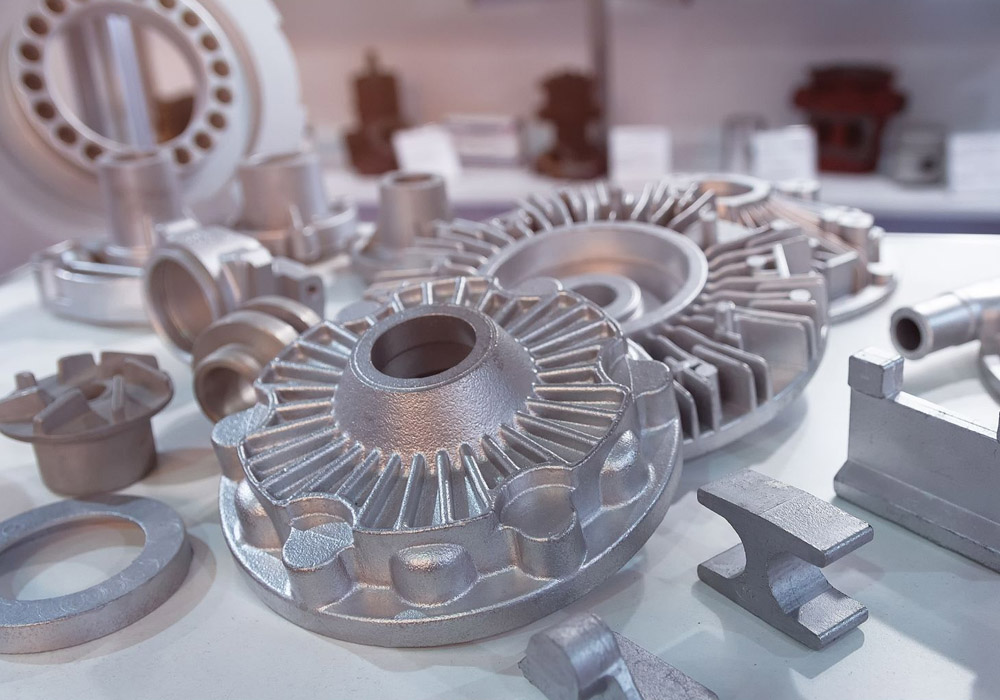
One of investment casting’s main advantages is its ability to reproduce intricate shapes with great detail. Wax patterns can incorporate features that would otherwise require extensive cutting, drilling, or joining operations. This makes the process suitable for components with curved profiles, complex external surfaces, and certain internal features that can be produced using appropriate cores or tooling.
Designers can also consolidate multiple components into a single casting when engineering requirements permit. Part consolidation may reduce assembly complexity, eliminate certain joints, and simplify inventory management. Nevertheless, casting design must account for metal flow, solidification behaviour, wall thickness, and ceramic removal to ensure the finished component meets its intended specifications.
Supporting Dimensional Accuracy and Manufacturing Consistency
Dimensional accuracy matters when cast components must fit into larger mechanical assemblies. Investment casting can achieve relatively tight as-cast tolerances compared with several other casting methods, although achievable accuracy depends on component size, geometry, alloy, and production controls. The process can reduce machining on suitable features, especially when complex shapes are difficult to produce through conventional material removal.
Manufacturing consistency requires careful control of wax pattern production, ceramic shell formation, pouring conditions, and cooling behaviour. Dimensional inspection and quality assurance procedures help identify variations and confirm whether components meet specified requirements. Critical interfaces and precision surfaces may still require machining to achieve the necessary fit and functional performance.
The Importance of Material Selection
Investment casting can accommodate a range of engineering alloys, including stainless steels, carbon steels, and selected speciality alloys. Material choice affects mechanical strength, corrosion resistance, temperature capability, wear characteristics, and manufacturing behaviour. Selecting the right alloy is therefore an important part of component development, not a decision based solely on cost.
For example, engineers may consider stainless steel for components exposed to corrosive environments, while selecting other alloys for strength, temperature resistance, or specific mechanical properties. Engineers must evaluate service conditions, applicable standards, heat-treatment requirements, and each alloy’s suitability for the casting process before finalising a material specification.
Reducing Secondary Manufacturing Operations
Conventional manufacturing methods sometimes require producing complex components from multiple machined or fabricated pieces. This can involve extensive material removal, additional joining processes, and repeated dimensional checks. Investment casting can produce a near-net-shape component, meaning the casting closely approximates the final required geometry.
Reducing secondary operations can improve production efficiency and limit unnecessary material removal. However, the extent of these benefits depends on the component design, tolerance requirements, production volume, and tooling investment. Manufacturers should assess the entire production process rather than assume investment casting eliminates the need for finishing or machining.
Applications Across Industrial Sectors
Precision investment castings are used in a wide range of industrial applications where complex shapes and reliable material properties matter. Industrial machinery may require precision housings, levers, brackets, and mechanical components, while automotive and energy-related applications may involve parts designed for specific strength, wear, or temperature requirements.
The suitability of investment casting depends on the individual component, not the industry alone. Engineers must consider loading conditions, dimensional requirements, inspection standards, and production quantities when determining whether the process offers an appropriate manufacturing solution.
Quality Control in Precision Casting
Quality assurance is essential because casting defects can affect dimensional accuracy, mechanical performance, and component reliability. Manufacturers may use dimensional inspection, material verification, visual examination, and suitable nondestructive testing methods to assess finished components. The required inspection level depends on the component’s application, customer specifications, and relevant industry standards.
Process consistency also depends on controlling how patterns, ceramic shells, and molten metal are handled. Documented manufacturing procedures, appropriate testing, and clear acceptance criteria help ensure that finished castings meet engineering requirements.
How Manufacturers Can Improve Casting Design
Successful investment casting projects benefit from early collaboration between component designers and manufacturing engineers. Design reviews can identify opportunities to improve wall-thickness transitions, reduce unnecessary complexity, and position critical features to support reliable production. Engineers can also determine which surfaces should remain as-cast and which require additional machining.
Considering manufacturability during the design stage can reduce the risk of expensive revisions after tooling has been developed. This approach supports more efficient production planning while helping manufacturers balance component performance, dimensional accuracy, and cost.
Frequently Asked Questions (FAQs) About Precision Investment Casting
What investment casting is suitable for complex components?
Investment casting can reproduce intricate geometries, curved surfaces, and detailed features that conventional machining alone may struggle to produce. It can also support part consolidation, although design feasibility depends on the alloy, component geometry, and casting requirements.
How accurate is precision investment casting?
Investment casting can achieve relatively accurate as-cast dimensions, but tolerances vary according to component size, material, geometry, and process controls. Critical surfaces may still require machining to meet demanding engineering specifications.
Which industries commonly use investment castings?
Industries commonly use investment castings in industrial machinery, automotive manufacturing, aerospace, energy, and other engineering sectors. Applications vary according to component requirements, production standards, and the suitability of the casting process.
Can investment casting reduce manufacturing waste?
Investment casting can reduce unnecessary material removal by producing components close to their final geometry. However, actual waste reduction depends on production yield, component design, finishing requirements, and the complete manufacturing process.
Does investment casting eliminate machining?
Not always. Investment casting can reduce machining requirements, but precision interfaces, threaded features, sealing surfaces, and other critical dimensions may still need secondary operations to meet final specifications.