Choosing a water heater for a Katy home is not simply a matter of replacing the old unit with the same size. Family schedules, summer humidity, garage or attic access, fuel availability, and the number of bathrooms can all affect which system makes sense. Homeowners comparing options with tankless water heater installers in Katy Texas should begin by identifying their household’s real hot-water habits before selecting equipment.
A well-matched water heater supports comfortable showers, laundry, dishwashing, and everyday cleaning without unnecessary energy use. The least expensive unit at purchase is not always the lowest-cost choice over its full service life, especially when a replacement also requires new venting, electrical work, drainage, or gas piping.
Start With Household Demand
Peak demand matters more than the number of people listed on a lease or living in the home. A household of three that takes back-to-back morning showers, runs a dishwasher, and starts laundry before work may need more capacity than a larger household with staggered routines.
Make a short record of the busiest hour in your Katy home. Include showers, tubs, bathroom sinks, dishwashers, washing machines, and any regular guests. Also consider future changes, such as converting a room, adding a bathroom, or welcoming a new family member. This practical snapshot helps avoid choosing a heater that looks adequate on paper but falls short during the morning rush.
Compare the Main Water Heater Types
Storage Tank Water Heaters
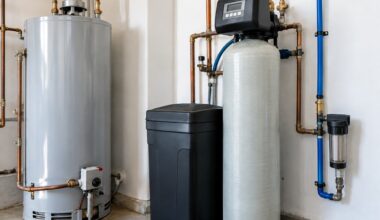
Traditional storage systems heat and hold a set volume of water in a tank. They remain a familiar option because replacement can be relatively straightforward when the new unit uses the same fuel and fits the existing location. Their main limitation is that stored hot water can be depleted during heavy use, followed by a recovery period. Tank capacity is important, but so is the unit’s first-hour rating.
Tankless Water Heaters
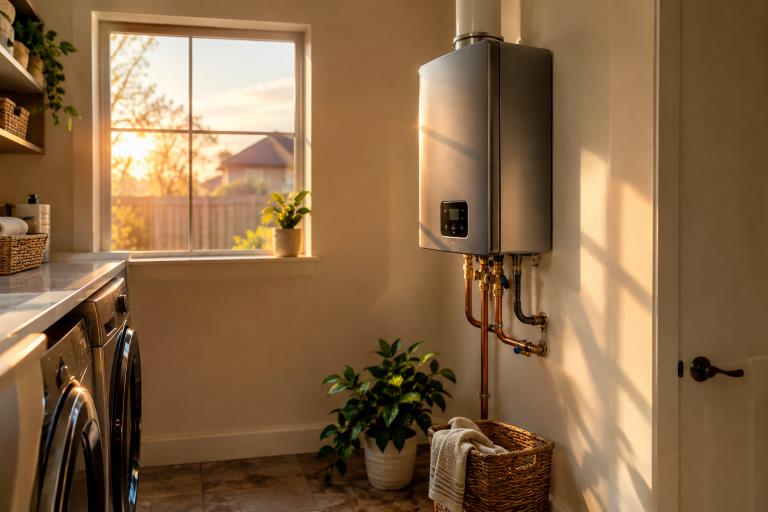
Tankless models heat water as it passes through the appliance instead of keeping a full tank hot. They can be a strong fit for homes with limited installation space or for those with long periods of low hot-water use that make standby heating less appealing. However, “endless” hot water depends on correct sizing. The unit must produce sufficient hot water for simultaneous showers and appliances, given the incoming water temperature and the required temperature rise.
Heat Pump Water Heaters
Heat pump water heaters move heat from surrounding air into a storage tank. They can be attractive in Katy’s warm climate, but their location deserves careful planning. A garage, utility room, or other adequately sized area may work better than a small interior closet because these units need airflow, produce condensate, and create some fan and compressor noise. considerations also emphasize checking room volume, service clearance, drainage, and manufacturer instructions before installation.
Solar and Indirect Systems
Solar water heating and indirect systems can suit particular properties, but they require a more specialized review. Roof exposure, equipment location, backup heating, upfront project cost, and the home’s existing HVAC or boiler arrangement all influence whether either approach is practical. They are not automatic upgrades for every Katy household.
Size the System Correctly
Correct sizing prevents two costly outcomes: running out of hot water and paying to heat more water than the household is likely to use.
Storage and Heat Pump Systems
For tank-style systems, compare both tank capacity and first-hour rating. Two units with the same gallon capacity can deliver different amounts of hot water during a busy hour because their burner, heating elements, or heat-pump recovery performance differs. Heat pump units may benefit from additional storage capacity when a household has concentrated demand, such as several showers before school.
Tankless Systems
For tankless equipment, add the expected flow rates of fixtures that may run simultaneously. A shower, kitchen faucet, dishwasher, and washing machine can create a much different demand than a single shower. The system also needs to raise incoming water to the desired delivery temperature, so sizing should reflect realistic winter and peak-use conditions rather than average daily usage.
Check Energy and Utility Requirements
Katy homeowners may choose among natural gas, propane, electric resistance, heat pump, or solar-supported options depending on the property. Changing fuel types can trigger additional work, including a larger electrical circuit, panel capacity review, new gas piping, combustion venting, or condensate drainage. The U.S. Department of Energy explains that by the Uniform Energy Factor, which provides shoppers with a consistent way to compare qualifying models.
Before deciding, review local utility charges and obtain an installation estimate that identifies any required upgrades. A high-efficiency model may be less compelling if the project requires major changes that do not align with the household’s budget or home plans.
Review Installation Space, Safety, and Codes
Measure height, width, door clearance, and room around the equipment for future service. Check for a practical drain route, a drain pan where appropriate, and protection against leaks that could damage flooring or stored belongings. Heat pump units need air movement and condensate management, while gas appliances require proper combustion venting.
Every water heater should be installed with required safety controls, including temperature and pressure relief protection. Local plumbing, gas, and electrical requirements can affect details such as shutoff valves, expansion tanks, vent materials, seismic restraint where applicable, and permit needs. Qualified installation is especially important when modifying gas lines, venting, or electrical circuits.
Calculate Total Cost and Plan Maintenance
Compare the full ownership picture, not only the equipment price. Include installation labor, permits, electrical or gas upgrades, venting, drainage, expected energy use, warranty terms, and access to future service. Ask whether rebates, tax incentives, or utility programs are available, but confirm eligibility before treating them as part of the budget.
Maintenance also affects long-term performance. Sediment and mineral buildup can reduce efficiency and complicate service, particularly where water conditions contribute to scale. Follow the manufacturer’s flushing, inspection, filter care, and anode rod recommendations. Periodically inspect visible connections and the nearby floor for signs of moisture, and keep model numbers, warranty records, and service dates together.
Simple Water Heater Buying Checklist
- Record the current heater’s age, fuel type, capacity, and known problems.
- List fixtures and appliances used during the household’s busiest hour.
- Choose the primary priority: capacity, operating cost, installation cost, space savings, or recovery speed.
- Compare suitable tank, tankless, heat pump, and specialized options.
- Check first-hour rating, flow rate, Uniform Energy Factor, warranty, and service requirements.
- Confirm space, ventilation, drainage, gas, electrical, and code considerations.
- Request a written estimate separating equipment, labor, upgrades, permits, and maintenance.
Final Thoughts
The right water heater for a Katy, Texas home is the one that fits its routines, infrastructure, space, and budget. A careful look at peak demand and installation requirements before purchase can help prevent cold showers, surprise project costs, and avoidable energy waste for years to come.