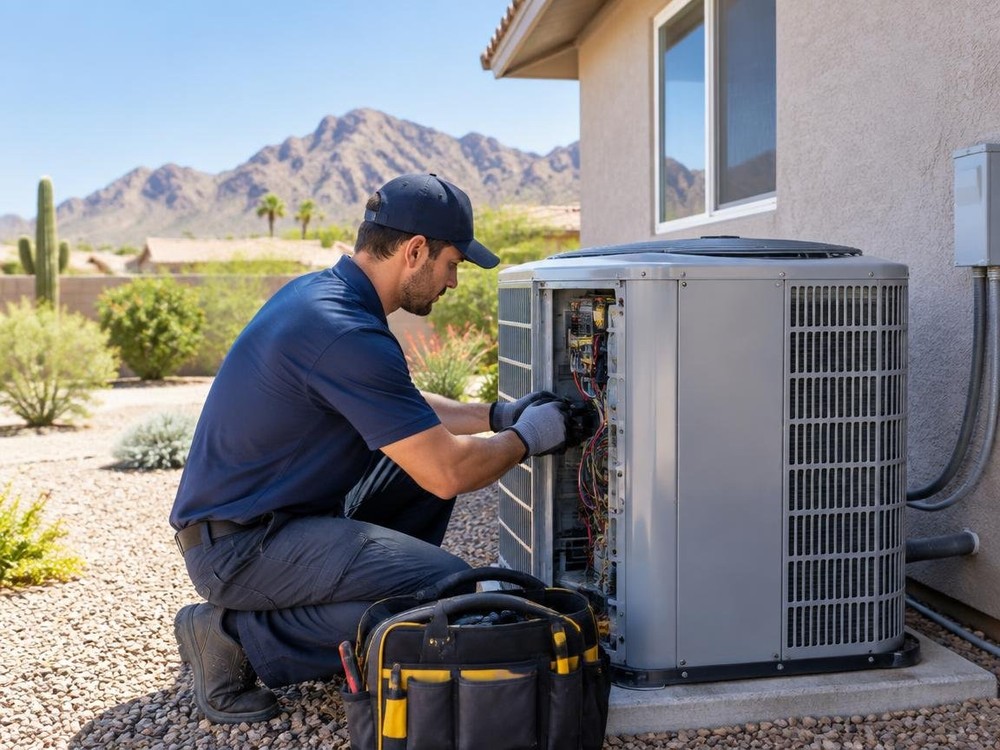
Understanding Desert Cooling Needs: CDL Mechanical Glendale AC Installation Standards
Glendale, AZ, presents a unique challenge for home cooling. The relentless desert sun and consistently high temperatures mean that an AC system here isn’t just about comfort; it’s about safeguarding your home and well-being. Professional AC installation in this environment is not merely a convenience but a critical investment in your property’s resilience and your family’s health. We understand the specific demands of this climate and the meticulous standards required for effective and efficient cooling.
Extreme Heat Challenges in Glendale AZ
The statistics speak for themselves: temperatures in Glendale can soar above 110°F for extended periods, making a dependable air conditioning system an absolute necessity. This extreme heat places immense thermal stress on AC units, requiring them to operate continuously for hours on end, often without much respite. This continuous operation highlights the importance of robust installation practices that account for factors like proper insulation, balanced airflow, and the structural integrity of your home’s thermal envelope. Without these considerations, even a high-quality AC unit can struggle to maintain comfortable indoor temperatures, leading to higher energy bills and premature system wear.
Why CDL Mechanical Glendale AC Installation Requires Precision Sizing
One of the most critical aspects of professional AC installation in a desert climate is precision sizing. This isn’t a “one-size-fits-all” scenario. An AC unit that is too small will run constantly, struggling to cool your home adequately, leading to discomfort and excessive energy consumption. Conversely, an oversized unit will “short cycle” – turning on and off too frequently. While this might seem efficient, it actually prevents the system from properly dehumidifying the air, leaving your home feeling clammy and uncomfortable. Short cycling also puts undue stress on the compressor, shortening the unit’s lifespan.
Professional installers utilize industry-standard calculations, such as Manual J load calculations, to determine the precise cooling capacity (tonnage) required for your specific home. This involves evaluating numerous factors, including square footage, ceiling height, window exposure, insulation levels, and even the number of occupants. Accurate sizing ensures optimal cooling capacity, effective humidity control, balanced duct pressure, and ultimately, prevents energy waste, maximizing both comfort and efficiency.
Selecting the Right System: Central Air, Heat Pumps, and Mini-Splits
Choosing the right AC system for your Glendale home involves more than just picking a brand. It requires understanding the different types of HVAC systems available, their energy efficiency ratings (like SEER2), and how advanced technologies such as variable-speed compressors and inverter technology can benefit your specific needs. Modern systems also offer features like zoning capabilities, allowing for customized cooling in different areas of your home, which can be particularly advantageous in larger or multi-story residences.
System Types and Energy Efficiency Ratings
When considering a new AC installation, homeowners in Glendale have several primary system types to choose from, each with distinct benefits and applications. Understanding these options is crucial for making an informed decision that aligns with your budget, energy goals, and home layout.
| Feature | Central Air Conditioner | Heat Pump | Ductless Mini-Split System |
|---|---|---|---|
| Primary Function | Cooling only (paired with furnace for heating) | Cooling and heating | Cooling and heating for specific zones |
| Efficiency (SEER2) | Good to excellent (typically 13-26 SEER2) | Very good to excellent (typically 14-28 SEER2) | Excellent (typically 16-33+ SEER2) |
| Cost Factors | Moderate initial investment | Higher initial investment than AC only | Variable, depends on number of zones/heads |
| Ideal Home Layout | Whole-home cooling, existing ductwork | Whole-home cooling & heating, existing ductwork | Zoned cooling/heating, additions, homes without ductwork |
| Key Benefit | Reliable, consistent whole-home cooling | Versatile, energy-efficient year-round comfort | Highly flexible, individualized comfort, no duct loss |
Central air conditioning systems are a popular choice for homes with existing ductwork, providing consistent, whole-home cooling. Heat pumps offer the added benefit of efficient heating during Glendale’s cooler winter months, making them a versatile, year-round solution. Both central AC and heat pump systems are often referred to as “split systems” because they consist of an outdoor condenser/compressor unit and an indoor air handler or furnace coil.
Ductless mini-split systems, on the other hand, are ideal for additions, converted spaces, or homes without existing ductwork. They offer zoned cooling and heating, allowing you to control temperatures in individual rooms or areas, significantly reducing energy waste. The latest SEER2 (Seasonal Energy Efficiency Ratio 2) ratings provide a more accurate measure of an AC unit’s efficiency, reflecting real-world performance. We always recommend systems that meet or exceed current SEER2 compliance standards to ensure long-term energy savings. Dual-fuel systems, which combine a heat pump with a gas furnace, offer another excellent option for maximizing efficiency and comfort across varying temperatures.
Advanced Cooling Features for Modern Homes
The landscape of home comfort is constantly evolving, and modern AC systems come equipped with advanced features designed to enhance both comfort and energy efficiency. Smart thermostats, for instance, allow homeowners to control their systems remotely, learn their preferences, and optimize schedules, leading to significant savings. Multi-stage or variable-speed compressors offer more precise temperature control by adjusting their output based on demand, rather than simply cycling on and off at full power. This not only improves comfort but also reduces energy consumption and wear on the system.
Smart zoning capabilities, often integrated with ductless systems or advanced central units, allow for individualized temperature control in different areas of the home, preventing energy waste in unoccupied rooms. Beyond temperature, indoor air quality is a growing concern. Many new installations incorporate advanced air filtration systems, UV purifiers to combat airborne pathogens, and even humidity control features that go beyond basic dehumidification. Furthermore, manufacturers are increasingly focusing on noise reduction technologies, ensuring that your home remains a peaceful sanctuary, even when your AC is working hard.
The Step-by-Step Professional AC Installation Process
A professional AC installation is a meticulous process that goes far beyond simply swapping out an old unit for a new one. It involves several critical stages, from the initial site evaluation to post-installation support, all designed to ensure optimal performance, efficiency, and longevity of your new system. Each step is crucial for guaranteeing that your AC unit can withstand Glendale’s extreme climate.
Comprehensive Site Assessment and Ductwork Inspection
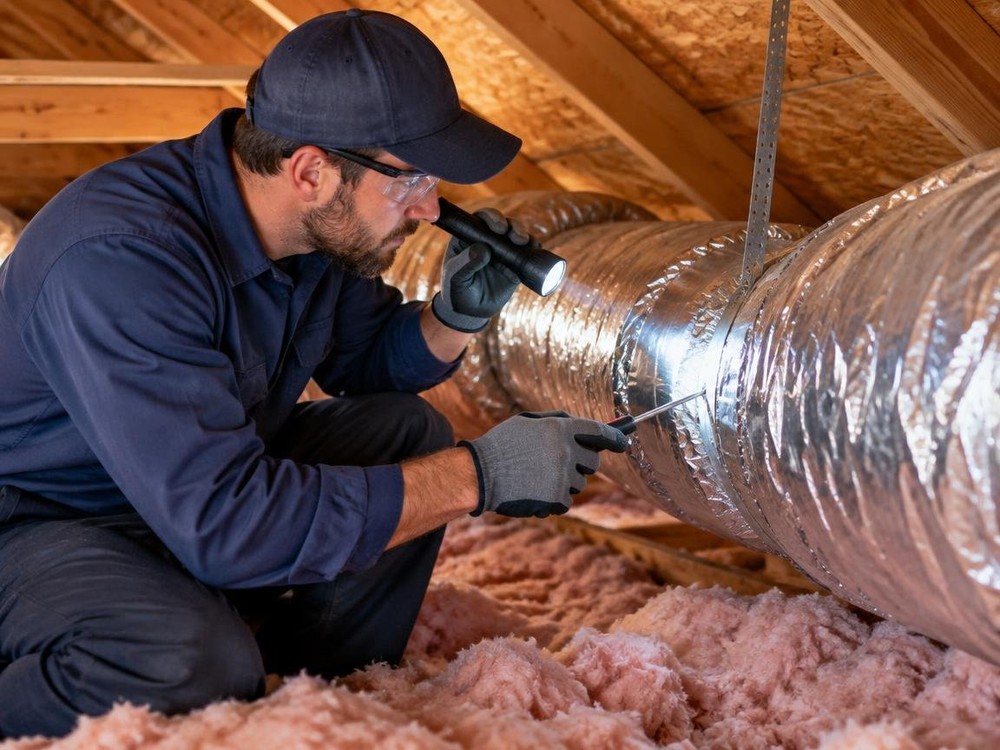
The first and arguably most critical step in any professional AC installation is a comprehensive site assessment. This isn’t just a quick look; it’s a detailed evaluation of your home’s unique characteristics. Technicians assess the existing ductwork for integrity, leaks, and proper sizing. Damaged or undersized ducts can severely compromise the efficiency of even the best new AC unit, leading to significant energy loss and uneven cooling. We often find that older homes in Glendale have ductwork that is either deteriorated or not designed for the efficiency standards of modern units.
During this assessment, static pressure tests may be performed to identify airflow restrictions. The cost of installing new ductwork or repairing existing ducts can range significantly, but it’s an investment that often pays for itself in improved efficiency and comfort. Proper return vents are also crucial for ensuring adequate air circulation. Addressing issues like thermal leakage through unsealed ducts or insufficient insulation is paramount to maximizing your new system’s performance.
Maximizing Efficiency with CDL Mechanical Glendale AC Installation Protocols
Once the site assessment is complete and any necessary ductwork modifications are addressed, the physical installation begins. This phase demands precision and adherence to strict protocols. Proper refrigerant charging is vital; an undercharged or overcharged system will operate inefficiently, reduce cooling capacity, and potentially damage the compressor. Electrical connections must be secure and meet all local codes to ensure safety and reliable operation.
Airflow calibration is another critical step, ensuring that the conditioned air is distributed evenly throughout your home. This involves adjusting fan speeds and balancing dampers in the ductwork. Finally, the new thermostat is integrated and programmed, setting the stage for smart and efficient operation. Post-installation, comprehensive system testing is performed to verify that every component is working optimally and that the system is delivering its promised efficiency and comfort. For detailed insights into these rigorous standards and what to expect from a top-tier service, you can learn more about professional practices like those found in CDL Mechanical Glendale AC installation. This meticulous approach guarantees that your new AC system is not just installed, but optimized for the harsh Glendale environment.
Costs, Rebates, and Optimal Timing for AC Replacement
Investing in a new AC system is a significant decision for any homeowner in Glendale. Understanding the factors that influence overall costs, exploring available financial incentives, and knowing the optimal time to schedule your installation can help you make the most informed and cost-effective choice.
Repair vs. Replacement: The 10 to 15-Year Rule
Deciding whether to repair an aging AC unit or replace it entirely is a common dilemma. While minor repairs can extend a system’s life, there comes a point when replacement becomes the more sensible and economical option. A good rule of thumb, supported by industry statistics, is that AC systems over 10-15 years old are often candidates for replacement, as repairs may become less cost-effective.
Signs that it’s time to consider replacing rather than repairing include:
- Frequent Breakdowns: If your unit requires multiple repairs each cooling season, the cumulative cost can quickly exceed the value of a new system.
- Rising Utility Bills: An aging unit loses efficiency over time, meaning it has to work harder and consume more energy to cool your home, leading to noticeably higher electricity bills.
- Poor Performance: If your home isn’t cooling evenly, or the system struggles to maintain your desired temperature, it’s a clear indicator of declining performance.
- Expensive Repairs: If a major component like the compressor fails, the repair cost can be so high that it makes more sense to put that money towards a new, more efficient unit.
- R-22 Refrigerant: If your older unit uses R-22 refrigerant, which has been phased out due to environmental concerns, future repairs involving refrigerant will be increasingly expensive and difficult to source.
Considering the extreme demands placed on AC units in Glendale, proactive replacement before a complete breakdown during peak summer can save you significant discomfort and emergency service fees.
Investment Factors, Local Rebates, and Off-Peak Scheduling
The overall investment in a new AC system is influenced by several factors, including the equipment size and type, its energy efficiency rating (SEER2), and any necessary ductwork modifications or replacements. While we don’t discuss specific pricing, it’s important to budget for a comprehensive solution that includes professional installation.
To help manage this investment, homeowners in Glendale should actively seek out available financial incentives. Many utility companies in Arizona offer rebates for installing high-efficiency AC systems, heat pumps, or smart thermostats. Federal tax credits may also be available for certain energy-efficient home improvements. We recommend checking the websites of local utility providers and government energy programs (like Energy Star) for the most current information on rebates and incentives.
Optimal timing for AC installation can also lead to savings and smoother service. Scheduling your installation during off-peak seasons, such as spring (March-May) or autumn (September-November), offers several advantages:
- Contractor Availability: HVAC companies are typically less busy during these months, allowing for more flexible scheduling and potentially quicker installation times.
- Promotional Pricing: You might find better deals or promotional pricing from manufacturers or installers during the shoulder seasons as they aim to fill their schedules.
- Comfort: Installing a new system when temperatures are moderate means you won’t be without AC during the peak of summer heat.
By planning ahead and leveraging available incentives, homeowners can make their new AC installation a smart and financially sound decision.
Frequently Asked Questions About Glendale AC Services
We understand that homeowners have many questions when considering AC installation or replacement in Glendale. Here, we address some of the most common inquiries to provide clarity and guidance.
How much does full AC replacement cost in Glendale, AZ?
While we cannot provide specific pricing, the cost of a full AC replacement in Glendale, AZ, is influenced by several key factors. These include the size of the equipment (tonnage) required for your home, the chosen system’s energy efficiency rating (SEER2), and whether any significant ductwork modifications or replacements are necessary. Additional costs can arise from upgrading electrical panels, installing new thermostats, or adding advanced features like zoning. We recommend obtaining detailed, itemized quotes from reputable local contractors to understand your overall budget comprehensively.
When is the best time of year to replace an AC unit in Arizona?
The optimal time to replace an AC unit in Arizona is typically during the off-peak seasons: spring (March to May) or autumn (September to November). During these months, temperatures are milder, meaning you won’t experience extreme discomfort if your old unit is temporarily offline. HVAC contractors also tend to have more availability, allowing for flexible scheduling and potentially quicker service. Additionally, some companies or manufacturers may offer promotional pricing or special deals during these shoulder seasons to encourage installations before the summer rush or after the summer slowdown. Planning your replacement during these times can lead to a smoother process and potentially better value.
What size AC system is needed for extreme desert heat?
Determining the correct AC system size for Glendale’s extreme desert heat is crucial for efficiency and comfort. This is not a simple calculation based solely on square footage. Professional technicians use Manual J load calculations, which take into account numerous factors specific to your home. These include:
- Square footage and ceiling height: Larger spaces naturally require more cooling capacity.
- Window exposure and type: South-facing windows or older, less efficient windows can significantly increase heat gain.
- Insulation quality: The R-value of your walls, attic, and floor plays a major role in heat transfer.
- Number of occupants: More people generate more body heat.
- Appliance heat generation: Kitchen appliances, electronics, and lighting contribute to the internal heat load.
- Orientation of the home: Which direction your home faces relative to the sun.
An accurately sized system will efficiently cool your home without short cycling or running constantly, ensuring optimal comfort and energy savings even when temperatures soar above 110°F.
Conclusion
In Glendale, AZ, where the desert climate demands unwavering performance from cooling systems, investing in professional AC installation is not just a choice, but a necessity for long-term comfort and energy efficiency. We’ve explored why precision sizing, selecting the right system type, and adhering to rigorous installation protocols are paramount. From understanding the challenges of extreme heat to navigating advanced cooling features and financial incentives, every aspect contributes to a reliable and efficient home environment.
By choosing a reputable, experienced service provider, homeowners ensure system longevity, maximize energy savings through optimal performance, and achieve unparalleled indoor comfort. As we move towards October 2026, the importance of a climate-resilient AC system only grows. Make the informed decision to prioritize professional AC installation – it’s an investment that pays dividends in comfort, savings, and peace of mind for years to come.