Key Takeaways
- Indian Trail’s warm, humid conditions can encourage algae, mildew, pollen, and grime on exterior surfaces.
- A practical plan considers shade, tree cover, drainage, material type, and visible buildup rather than relying on one rigid schedule.
- Low-pressure methods are generally better for delicate surfaces, while durable concrete can handle more controlled pressure.
- Regular inspections can help prevent slippery walkways, gutter overflow, and stubborn staining.
For homeowners in Indian Trail, North Carolina, exterior upkeep is closely tied to moisture. Summer humidity, rain, shade from established trees, and seasonal pollen can all leave siding, decks, patios, and walkways looking dirty sooner than expected. A well-timed pressure washing service in Indian Trail, NC, can be part of a broader maintenance plan that keeps outdoor areas cleaner and safer year-round. Concrete deserves its own attention, especially on driveways and sidewalks where damp weather can leave a slick organic film behind. Planning for a concrete surface cleaning service may help restore the appearance of hard surfaces while addressing dirt, tire marks, pollen residue, and algae in shaded spots.
Why Indian Trail’s Humid Weather Changes Exterior Cleaning Needs
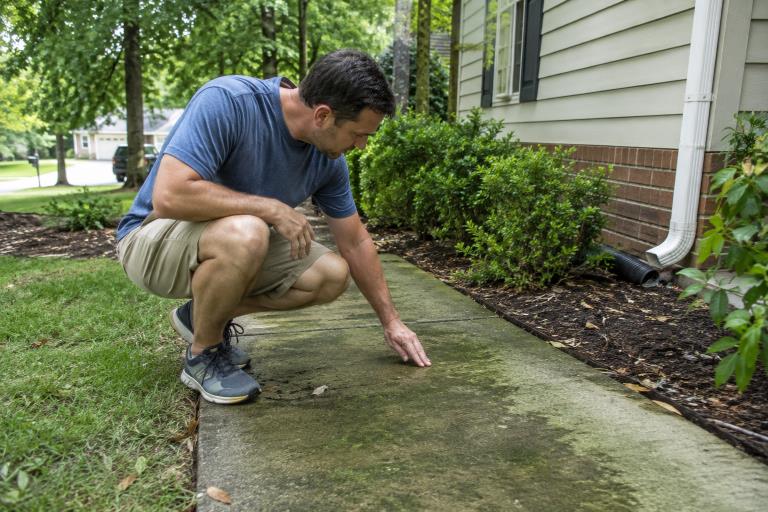
Moisture that remains on a surface after rain creates favorable conditions for algae, mildew, moss, and other organic buildup. In Indian Trail, North Carolina, north-facing walls, covered patios, fence lines, and walkways beneath trees often dry more slowly than areas in direct sun. Green streaks, dark patches, musty odors, and slick concrete after rain are useful signs that a cleaning or drainage check may be needed.
Set a Simple Seasonal Cleaning Schedule for Indian Trail Properties
Use the seasons as planning points, then adjust for your property’s conditions. Mild temperatures and dry forecast windows are generally easier for exterior work, and seasonal pressure washing guidance can help homeowners in Indian Trail consider weather, temperature, and surface drying time before scheduling a project.
- Spring: Remove pollen, winter dirt, and early signs of organic growth from siding, patios, and walkways.
- Summer: Check shaded areas, porch steps, and driveway edges for fast-returning algae or mildew.
- Fall: Clear leaves, seed pods, and roof grit from gutters and drainage paths before wetter weather arrives.
- Winter: Inspect for staining below gutters, clogged downspouts, loose trim, and areas where water collects near the foundation.
Match the Cleaning Method to the Surface
Siding and Painted Exteriors
Vinyl, painted wood, fiber cement, trim, and caulked areas often need a gentler approach. Excessive pressure can strip paint, damage seals, loosen siding, or force water where it does not belong. Low-pressure washing with an appropriate cleaner is often the safer choice for these materials.
Driveways, Walkways, and Patios
Concrete and masonry can collect red clay, oil spots, tire marks, dirt, and algae. Controlled pressure and an even cleaning pattern can produce more consistent results than repeatedly using a narrow spray in one area. Treat algae on walking surfaces as a safety issue, particularly around entryways, pool areas, and shaded side yards.
Decks and Fences
Wood fibers, stain, paint, and composite boards can be damaged by overly aggressive cleaning. Test a small, hidden section first, use the method appropriate for the material, and allow wood to dry thoroughly before applying stain or sealer.
Gutters and Drainage Areas
Leaves, pine needles, seed pods, and roof grit can block gutters and downspouts. Overflowing gutters may stain siding and direct water toward planting beds or the foundation. Inspect them after major storms and during periods of heavy leaf drop.
Pressure Washing and Soft Washing: Know the Difference
Pressure washing uses forceful water to clean durable materials such as concrete. Soft washing uses lower pressure and cleaning solutions to loosen organic buildup on more delicate surfaces. The right option depends on the surface material, its age and condition, and the type of stain. More pressure does not automatically mean better cleaning.
Prepare the Property Before Cleaning
- Move furniture, toys, planters, grills, and decorations away from the work area.
- Close windows and doors, and confirm screens, weatherstripping, and seals are secure.
- Protect delicate landscaping as needed, and rinse nearby plants before and after cleaning.
- Identify exterior outlets, lighting, cameras, sensors, and fragile decorative features.
- Check downspouts and drainage routes before introducing water.
- Keep children and pets away from wet surfaces and operating equipment.
Protect Storm Drains and Nearby Water
Runoff can carry loose soil, oil, leaf debris, and cleaning products into storm drains. Use cleaning products according to their labels, avoid allowing concentrated wash water to enter drains, and check local requirements when a project involves chemicals or large volumes of runoff. Correcting poor drainage also helps reduce the moisture that supports repeat staining.
Signs a Home Exterior in Indian Trail Needs Attention
- Green or black streaks on siding, fences, concrete, or shaded walls.
- Slippery patios, steps, or walkways after rain.
- Gutters that overflow during ordinary storms.
- Dark marks beneath downspouts or along foundation edges.
- Gray, rough, faded, or heavily soiled wood.
- Persistent oil marks, tire tracks, moss, or plant growth around hardscapes.
Common Mistakes to Avoid
- Using high pressure on roofs, windows, old wood, or fragile siding.
- Cleaning during heavy rain, high winds, or unsuitable temperatures.
- Ignoring nearby plants, electrical fixtures, and outdoor furnishings.
- Mixing products without following the manufacturer’s directions.
- Cleaning the stain without addressing the shade, drainage, or gutter issue behind it.
When to Choose Professional Help
Professional help can be especially useful for tall homes, steep or elevated surfaces, difficult access, heavy staining, delicate materials, and projects involving ladders or strong chemicals. Ask about surface testing, plant protection, insurance, runoff handling, and the cleaning approach planned for each material.
Frequently Asked Questions
How Often Should a Home Exterior Be Cleaned?
Once a year is a reasonable starting point for many homes in Indian Trail; properties with heavy shade, nearby trees, persistent moisture, or noticeable algae may need more frequent spot cleaning and inspection.
Is Pressure Washing Safe for Vinyl Siding?
It can be safe when the pressure, spray angle, distance, and cleaning method are appropriate for the siding’s condition. High pressure directed upward or too closely can create problems.
Can Pressure Washing Remove Mold and Mildew?
Cleaning can remove visible buildup, but lasting results also depend on reducing moisture sources and choosing the right treatment for the surface.
What Is the Best Season for Exterior Cleaning in Indian Trail?
Spring and fall are often convenient planning periods, but the best timing in Indian Trail depends on temperature, rain, pollen, shade, and a dry-enough forecast.
Should Gutters Be Cleaned Before Washing Siding?
Yes, when gutters are heavily blocked. Clearing them first can help prevent fresh overflow from staining a newly cleaned exterior.
Conclusion
A smart 2026 exterior cleaning plan for Indian Trail, North Carolina, homes should account for the property’s moisture exposure, shade, tree cover, materials, and drainage patterns. Regularly checking siding, driveways, walkways, decks, patios, gutters, and other outdoor surfaces can help homeowners spot dirt, organic growth, staining, and drainage concerns before they become more difficult to manage. With regular checks and the right cleaning method for each surface, homeowners in Indian Trail can keep exterior spaces more attractive, safer underfoot, and easier to maintain year-round. Planning cleaning around seasonal changes and periods of heavy rain can also help reduce buildup and keep outdoor areas in better condition.