Key Takeaways
- Layering makes it easier to adjust for temperature changes without changing your entire outfit.
- Each layer should serve a clear purpose: comfort, warmth, or protection from wind and rain.
- Lightweight pieces usually create more flexibility than stacking several thick garments.
- Good fit supports comfortable movement and helps layers sit smoothly together.
- Versatile colors and fabrics create more outfit combinations with fewer pieces.
Changing weather can make getting dressed feel unnecessarily complicated. A cool commute, warm afternoon, heavily air-conditioned office, and breezy evening can all happen in one day. The answer is not a closet full of separate outfits. It is choosing adaptable pieces, such as stylish plus size sweaters, that feel good alone and work even better together.
A practical layered outfit lets you respond to the day as it unfolds. You might leave home in a lightweight top, add a knit for the morning, remove it at lunch, then reach for a jacket again after sunset. When every piece has a purpose, changing conditions become much easier to manage.
Why Changing Weather Makes Dressing Difficult
Dressing only for the coldest part of the day can leave you overheated later, while dressing only for the warmest part can make an early start uncomfortable. Indoor temperatures add another variable, especially during workdays, travel, errands, and long events. A removable layer gives you options without requiring a complete outfit change.
The Three Main Layers
A simple three-layer system keeps outfit planning focused. The same basic approach appears in guidance for dressing in layers, where each piece handles a different comfort need.
- Base layer: A soft, breathable piece worn close to the skin.
- Warmth layer: A cardigan, knit, fleece, vest, or pullover that adds insulation.
- Outer layer: A jacket, coat, or shell that helps block wind, rain, and cold air.
How to Choose a Comfortable Base Layer
Your base layer should feel comfortable enough to wear on its own. Lightweight tees, tanks, smooth long-sleeve tops, and thin knits are useful choices depending on the forecast and your plans. Look for a fabric that does not feel restrictive at the shoulders, bunch at the waist, or pull when you reach forward.
Because the base may be visible once you remove a cardigan or jacket, choose one that feels presentable on its own. Personal comfort matters too. If you tend to feel warm indoors, a breathable short-sleeve top under a removable layer may be more useful than starting with a heavy sweater.
Picking the Right Warmth Layer
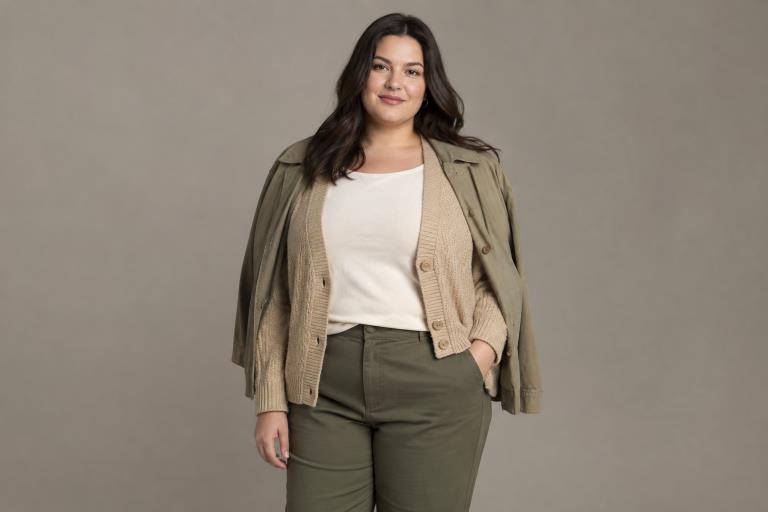
The middle layer is where most outfits gain flexibility. Lightweight cardigans, pullovers, soft jackets, vests, and fine-gauge sweaters can add warmth without making an outfit feel heavy. A close-fitting knit creates a neater line under a coat, while a relaxed cardigan can make casual outfits feel more comfortable.
Try the layer over your base before committing to it. It should slide on without pulling at the arms or shoulders, and it should still feel comfortable when seated. Texture can add interest here, too. A ribbed knit or soft fleece pairs well with smoother trousers, denim, or a simple skirt.
When to Add an Outer Layer
Wind and rain can make mild conditions feel much less comfortable, so an outer layer is valuable when you will be outside for more than a few minutes. A denim jacket, trench coat, lightweight rain shell, or structured jacket can finish the outfit while adding useful coverage.
Check the forecast before leaving, but plan for changes later in the day. For outdoor activities, the National Park Service advises carrying extra clothing for sudden weather changes, including layers such as a jacket or rain shell.
Fabric Choices for Flexible Layering
- Cotton: Soft and familiar for everyday outfits, especially in dry, mild conditions.
- Wool and wool blends: Useful for cooler weather and available in many weights and textures.
- Fleece: A light, warm option that works well as a casual middle layer.
- Synthetic blends: Often practical for active days because many are designed to dry quickly.
- Lightweight knits: Helpful for transitional weather and chilly indoor spaces.
How to Layer Without Looking Bulky
- Begin with the thinnest piece closest to the body.
- Add a slightly roomier middle layer instead of another thick garment.
- Choose an outer layer with enough space for sleeves and shoulder movement.
- Avoid stacking bulky seams, oversized collars, or heavy textures in the same area.
- Let a hem, cuff, or collar show intentionally to create a polished finish.
Fit Tips for Comfortable Movement
A layered outfit should work beyond the mirror. Raise your arms, sit down, bend, and reach for something before heading out. Check for sleeves that bunch beneath jackets, hems that ride up, or tightness across the upper back. Stretch can add comfort, but it should support a good fit rather than compensate for a garment that is too small.
Simple Layering Formulas for Common Plans
For a Cool Morning and Warm Afternoon
- Breathable base top
- Light cardigan or fine knit
- An optional jacket that is easy to carry
For a Chilly Office
- Smooth base layer
- Soft sweater or cardigan with comfortable sleeves
- Trousers, jeans, or a long skirt that allows easy movement
For a Windy or Light Rainy Day
- Lightweight base layer
- Warm middle layer
- Wind-resistant or water-resistant outer layer
- Shoes with a suitable grip for wet surfaces, if needed
Color, Texture, and Planning Tips
Start with a neutral base, then bring color through a cardigan, scarf, shoes, or bag. Similar tones can make separate layers feel connected, while one textured piece keeps a simple outfit from looking flat. Build around items that look good both together and separately, so removing a layer still feels intentional.
Common Layering Mistakes to Avoid
- Wearing several thick pieces instead of lighter, removable layers.
- Ignoring sleeve width beneath a fitted jacket.
- Choosing fabrics that feel too warm once you are indoors.
- Forgetting that footwear and accessories affect comfort outdoors.
- Creating an outfit that only works when every layer stays on.
A Quick Dressing Checklist
- Check conditions for the morning, afternoon, and evening.
- Choose a base layer that feels good on its own.
- Add one easy-to-remove warmth layer.
- Decide whether wind or rain protection is necessary.
- Test the complete outfit for movement before leaving.
- Bring a small extra layer if plans may run late.
Conclusion
Changing weather does not require a completely different wardrobe for every temperature. A thoughtful layering system gives each piece a job while keeping your outfit comfortable, adjustable, and easy to wear. With breathable fabrics, practical fit, and a few dependable combinations, you can handle cool mornings, warm afternoons, chilly interiors, and unexpected breezes with less effort.