Midvale homeowners rely on mowers, trimmers, blowers, chainsaws, edgers, and snow-removal tools through changing Utah seasons. Caring for your outdoor power equipment in Midvale on a regular schedule can help it start more reliably, cut more cleanly, and remain safer to operate when yard work or winter cleanup cannot wait.
A practical routine matters in a place where dry summer dust, fall leaves, freezing temperatures, and spring growth can each create different maintenance needs. The goal is not to perform complicated repairs at home. It is to spot wear early, clean equipment consistently, and follow the manufacturer’s instructions for each machine.
Why Seasonal Care Matters
Outdoor equipment works in dusty, wet, grassy, and sometimes icy conditions. Grass buildup under a mower deck, leaves around cooling areas, moisture on metal components, dull blades, and loose fasteners can all affect performance. A brief check before use helps catch obvious problems before they interrupt a weekend project.
Maintenance is also a safety habit. Before operating any machine, inspect guards, handles, wheels, cables, switches, cutting attachments, and fasteners. Stop using the equipment if a guard is missing, a housing is cracked, fuel is leaking, a cord is damaged, or the machine vibrates or makes unusual noises.
How to Build a Simple Maintenance Routine
Divide maintenance into manageable intervals rather than waiting for a problem. Before each use, check for leaks, debris, damage, and loose parts. After use, remove grass, soil, leaves, or snow and allow the machine to dry before storage. Once or twice a year, perform a deeper seasonal service according to the owner’s manual.
Keep a basic maintenance log in a notebook or phone. Record the date, equipment type, work completed, replacement parts used, and the next planned inspection. This makes it easier to remember when oil was changed, a blade was sharpened, or a battery was placed into seasonal storage.
Spring Start-Up Checklist
Do not pull equipment from storage and immediately put it into full service. Start with a careful inspection for corrosion, chewed wiring, cracked hoses, blocked vents, stale fuel, or weak batteries. Clear away any nesting material or debris before attempting to start an engine.
Spring Inspection Steps
- Review the owner’s manual for model-specific start-up and safety steps.
- Clean dust, leaves, dried grass, and other material from the machine.
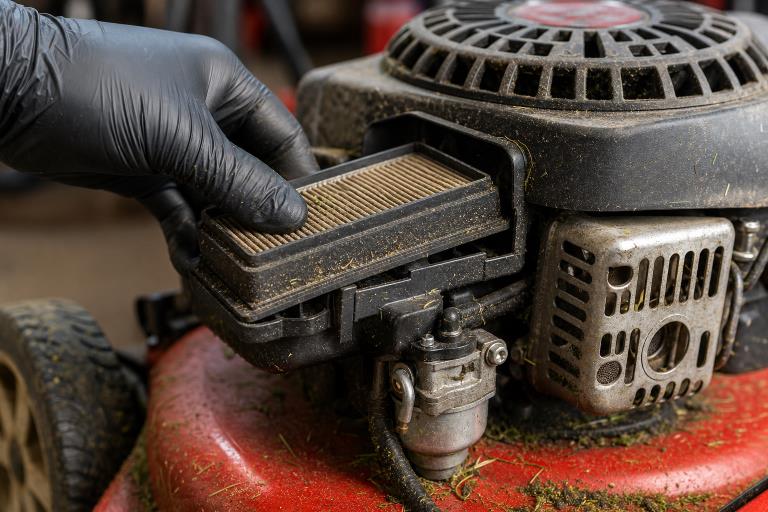
- Check oil, fuel, air filters, belts, cables, fasteners, and battery condition.
- Inspect blades, chains, cutting edges, wheels, and safety guards for damage.
- Test the equipment in an open area before beginning regular work.
Sharp blades and chains make cleaner cuts than worn cutting edges. If a mower begins leaving torn-looking grass tips or uneven strips, inspect the blade and follow the manufacturer’s guidance for sharpening or replacement. Never service a cutting attachment until the machine is shut off and its power source is secured as directed in the manual.
Summer Care for Heavy Use
Heat, dry soil, and frequent operation can make summer the busiest season for Midvale lawn equipment. Let engines cool before refueling or cleaning, and keep debris away from cooling fins, air intakes, and vents. In dusty conditions, inspect filters more often because restricted airflow can affect engine operation.
Higher mowing heights can help cool-season turf handle hot weather, and the Northern Utah turfgrass management calendar recommends mowing practices that avoid removing more than one-third of the grass blade at a time during active growth. A properly maintained mower makes it easier to follow a consistent cutting routine.
Summer Maintenance List
- Clean equipment after major use.
- Check oil and fuel levels before operating gas-powered tools.
- Inspect air filters, cords, plugs, and connectors for damage.
- Keep battery packs and chargers away from direct heat, water, and sunlight.
- Stop the operation if smoke, leaks, unusual vibration, or unfamiliar noise occurs.
Fall Cleanup and Winter Preparation
Fall is an ideal time to prepare equipment for a long period of reduced use. Remove grass, soil, sap, and leaves from decks, housings, wheels, and handles. Trapped organic material can hold moisture against metal surfaces, while hardened debris can make spring cleaning more difficult.
For small engines that will sit idle, follow the manufacturer’s fuel storage instructions closely. Utah State University Extension notes that homeowners may winterize mowers and rototillers by draining gasoline or using a fuel stabilizer according to manufacturer recommendations.
Fall Preparation Steps
- Clean and dry each machine thoroughly.
- Inspect blades, belts, wheels, handles, shields, and hardware.
- Replace worn or damaged parts before storage when practical.
- Address fuel, oil, filters, and spark plugs as directed by the manual.
- Clean battery contacts and label equipment that needs professional inspection.
Safe Winter Storage
Store equipment in a dry, protected, well-ventilated area that children and unauthorized users cannot access. Keep machines on a stable surface, use blade covers or guards where applicable, and do not store gasoline, equipment, or chargers near heaters, open flames, or other ignition sources.
Remove detachable battery packs when the manufacturer recommends it. Store batteries and chargers within the manufacturer’s specified temperature range, and keep contacts clean and dry. Mark any machine that is unsafe to operate so it is not accidentally used before it is repaired.
Gas-Powered vs. Battery-Powered Equipment
Every power type has its own care priorities:
- Gas-powered equipment: Monitor fuel quality, oil, filters, spark plugs, belts, exhaust areas, and cooling passages. Avoid leaving fuel in storage unless the manual specifically permits the chosen storage method.
- Battery-powered equipment: Check battery cases, contacts, chargers, and cords. Avoid storing batteries in damp locations or temperatures outside the manufacturer’s stated range.
- Corded electric equipment: Inspect insulation, plugs, switches, and extension cords. Do not use cords with exposed wire, cracked insulation, or damaged connectors.
When to Repair or Replace Equipment
Repair is often reasonable when the issue involves routine wear parts, cleaning, adjustment, a blade, a filter, or a minor connection problem. Replacement may be the better choice when the frame or housing is cracked, required guards are unavailable, repairs keep recurring, or the machine cannot be restored to safe operation.
Questions to Ask
- Is the equipment safe to operate after repair?
- Is the problem isolated or recurring?
- Are suitable replacement parts available?
- Will the repair restore dependable performance?
- Does the machine still fit the work it needs to do?
Common Questions
How Often Should Outdoor Power Equipment Be Cleaned?
Clear grass, leaves, soil, and other debris after use. Complete a more thorough cleaning before long-term storage and before the next heavy-use season.
Should Batteries Be Stored Fully Charged?
The correct storage charge depends on the battery chemistry and manufacturer. Follow the instructions provided for the specific battery and charger.
When Should Blades Be Sharpened?
Inspect blades whenever cutting quality declines or the machine leaves uneven results. Replace blades that are bent, cracked, or otherwise damaged.
What Should Be Done When Equipment Will Not Start?
Check basic items first, including fuel condition, oil level, battery charge, filters, connections, and safety switches. If the cause is unclear, stop testing and arrange a qualified inspection.
Conclusion
Outdoor power equipment does not need a complicated maintenance plan to remain dependable. A few minutes of cleaning, inspection, and proper storage each season can reduce downtime for Midvale households. Use a written checklist, follow each owner’s manual, and address minor issues before they become costly repairs.