Comprehensive Guide to Home Exterior and Building Materials
Your home’s exterior is more than just a pretty face; it’s its primary shield against the elements and a significant factor in its overall value and curb appeal. From harsh weather to daily wear, the materials you choose play a vital role in protecting your investment for decades to come. Making informed decisions about home exterior and building materials is one of the most important steps in any construction or renovation project.
In this extensive guide, we will explore the wide array of options available today. We’ll examine the most common exterior wall materials used in new U.S. homes, discuss crucial selection factors like climate, cost, maintenance, and sustainability, and compare their performance in areas such as energy efficiency and fire resistance. Understanding the nuances of everything from siding types to masonry veneers, and even where to source quality landscape and building materials, will empower you to make the best choices for your home’s long-term beauty and durability.
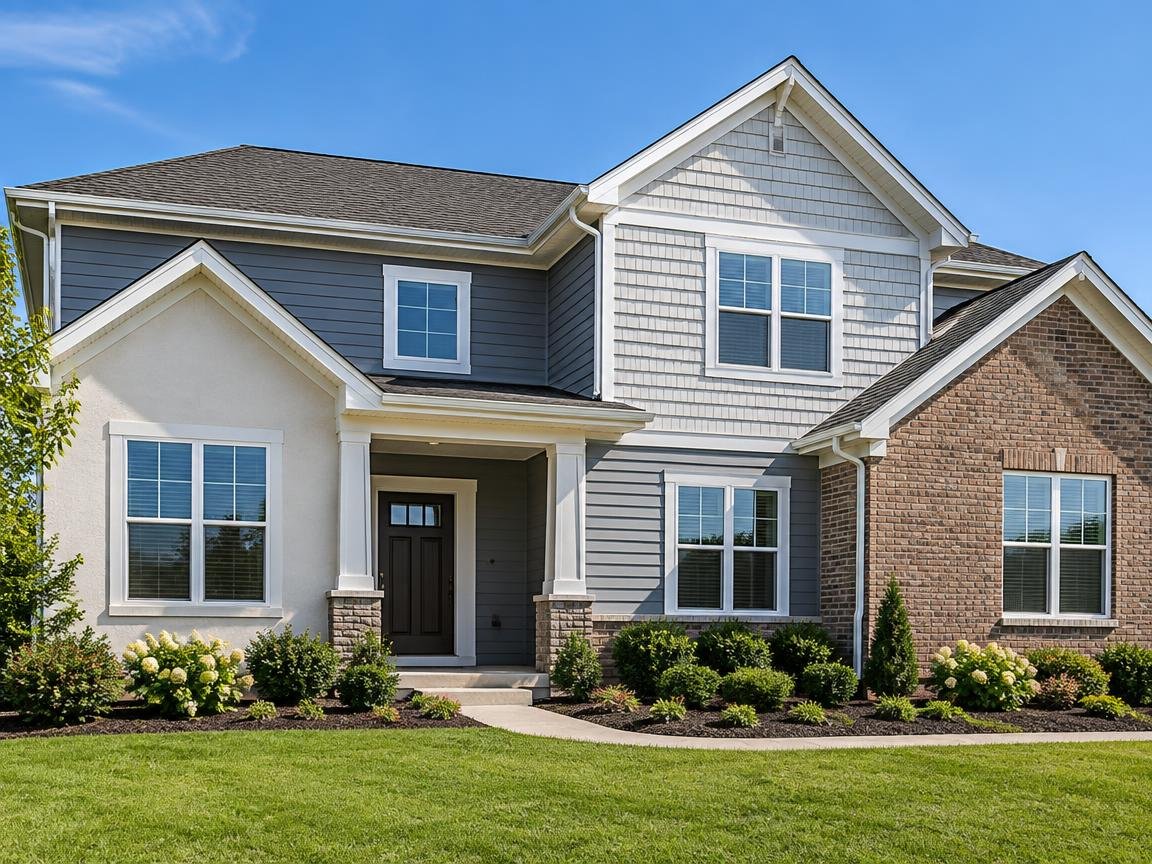
Choosing the right exterior materials for a home involves balancing aesthetic appeal with practical considerations like durability, maintenance, and cost. As of September 2026, the market offers a diverse range of options, each with unique characteristics that can significantly impact a home’s performance and longevity. Understanding these differences is key to making a selection that aligns with your specific needs and local environmental conditions.
Comparing Popular Home Exterior and Building Materials
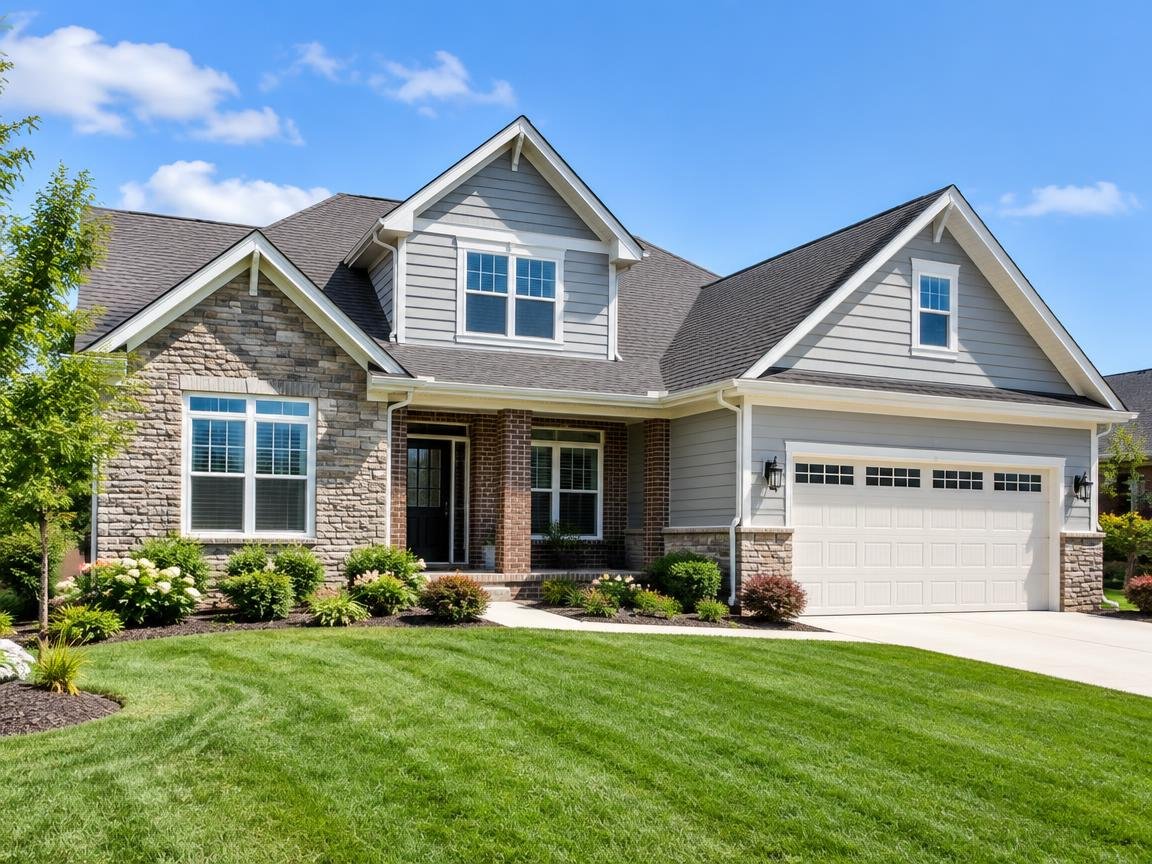
When we look at new home construction in the U.S. today, certain materials consistently lead the market. According to a 2021 NAHB report, stucco accounts for a significant 27% of new home exteriors, particularly popular in the Southwest for its cultural aesthetic and thermal mass. Vinyl siding follows closely at 25%, maintaining its reputation as a budget-friendly and versatile option. Fiber cement siding, known for its resilience, makes up 21% of the market, while traditional brick or brick veneer covers 20%. Wood or wood products are found on about 5% of new homes, and natural stone or rock on 1%.
Each of these materials comes with its own set of advantages and disadvantages. For instance, vinyl siding, while cost-effective and low-maintenance, can sometimes appear synthetic up close and may melt in extreme heat. Fiber cement, on the other hand, offers the aesthetic versatility to mimic wood, brick, or stone, coupled with excellent fire and water resistance.
Traditional stucco, a cement-based plaster, is valued for its durability and energy efficiency, creating a seamless, monolithic appearance. However, its installation requires skilled labor and proper curing to prevent cracking. Synthetic stucco, or Exterior Insulation and Finish Systems (EIFS), differs significantly. EIFS is a multi-layered system that includes insulation board, a base coat with fiberglass mesh, and a finish coat. While it offers superior insulation and design flexibility, a critical consideration is its susceptibility to moisture issues if not installed with a proper drainage plane. Best practices dictate using a drainage plane with EIFS systems to prevent hidden moisture accumulation behind the wall, which can lead to significant problems.
Brick and brick veneer offer timeless appeal and exceptional durability. Full brick masonry provides substantial thermal mass and lasts for over a century with minimal upkeep, primarily requiring repointing of mortar joints over time. Brick veneer, a non-load-bearing exterior layer, provides a similar aesthetic at a lower cost and lighter weight, making it a popular choice for renovations or new builds where full brick isn’t feasible.
To help visualize the differences, here’s a comparison of several common exterior siding materials:
Energy Performance and Fire Ratings of Home Exterior and Building Materials
Beyond aesthetics and basic durability, a home’s exterior materials play a crucial role in its energy efficiency and safety. These factors are increasingly important, influencing both long-term operating costs and occupant well-being.
When it comes to energy performance, the R-value of a material and its ability to reduce thermal bridging are key considerations. Thermal bridging occurs when materials with lower insulation properties create pathways for heat to escape or enter a building, reducing the overall effectiveness of the insulation. Insulated vinyl siding stands out in this regard, often boasting an R-value of up to 4.0, making it one of the more energy-efficient siding options available. Steel siding, while not inherently insulating, can contribute to energy efficiency through its reflective qualities, which help repel solar heat in warmer climates. EIFS, or synthetic stucco, also offers excellent insulation due to its integrated foam board, significantly reducing heat transfer through the walls. For homeowners in varied climates, assessing your climate zone before selecting a siding material is an actionable step that can lead to substantial energy savings.
Fire resistance is another critical performance metric, particularly in high-risk areas. Materials vary widely in their ability to withstand fire. Steel, brick, stone, stucco, and aluminum siding are significantly more fire-resistant than wood or standard vinyl siding. For instance, brick and stone are non-combustible, providing excellent protection. Fiber cement is also highly fire-resistant, often achieving Class A fire ratings, making it a smart choice for areas prone to wildfires. In contrast, vinyl siding can melt in a fire, and natural wood, while beautiful, is combustible and requires treatment or specific construction techniques to enhance its fire resistance. Choosing materials with proven fire resistance is a best practice for high-risk areas, offering peace of mind and potentially lower insurance premiums.
Natural vs. Engineered Siding and Masonry Veneers
The choice between natural and engineered materials often comes down to a balance of aesthetics, performance, and maintenance. This is particularly evident in the categories of wood siding and stone veneers.
Natural wood siding, such as cedar, redwood, or pine, offers unmatched organic beauty and warmth. It can be stained or painted to achieve a wide range of looks, from rustic to contemporary. However, natural wood demands high maintenance; it requires regular cleaning, sealing, or repainting every 3-7 years to prevent rot, pest damage, and weathering. It’s also susceptible to moisture absorption, which can lead to warping or fungal growth.
Engineered wood siding, on the other hand, provides the aesthetic appeal of natural wood without many of its drawbacks. Made from wood fibers, resins, and waxes, it’s designed to be more durable, moisture-resistant, and insect-resistant. While it still requires painting, the paint typically lasts longer (e.g., 10-15 years for fiber cement, which often mimics wood). Engineered wood offers a consistent product with fewer imperfections than natural wood, and its manufacturing process can sometimes incorporate sustainable practices. Composite cladding, often made from recycled wood-plastic blends, takes this a step further, offering zero-maintenance options that resist rot, pests, and require no painting.
Similarly, in masonry, we see a distinction between natural stone and manufactured stone veneer. Natural stone offers unparalleled authenticity, durability, and a unique aesthetic that evolves with time. It’s incredibly long-lasting, often exceeding 100 years, and provides excellent thermal mass. However, natural stone is heavy, expensive to source, and labor-intensive to install, requiring specialized masons.
Manufactured stone veneer (MSV) provides a cost-effective alternative. Made from concrete, aggregates, and pigments, MSV mimics the look and texture of natural stone but is significantly lighter and easier to install. This reduces installation costs and eliminates the need for additional foundation support often required by full natural stone. While it offers a high-end look, note that MSV doesn’t possess the same inherent durability or thermal properties as natural stone and can be prone to moisture issues if not properly installed with a drainage system. The key difference lies in performance and cost, with MSV offering aesthetic appeal at a more accessible price point, but with different long-term considerations.
Sustainability is another crucial factor. Materials like metal siding (aluminum, steel) are highly recyclable and long-lasting, making them eco-friendly choices. Some PVC-based products, like those from AZEK, incorporate significant recycled content and offer long lifespans, diverting waste from landfills and preserving trees. Assessing the total cost of ownership, including purchase price, installation, and ongoing maintenance, alongside environmental impact, provides a holistic view for decision-making.
Sourcing Strategy and Installation Best Practices for Exterior Assemblies
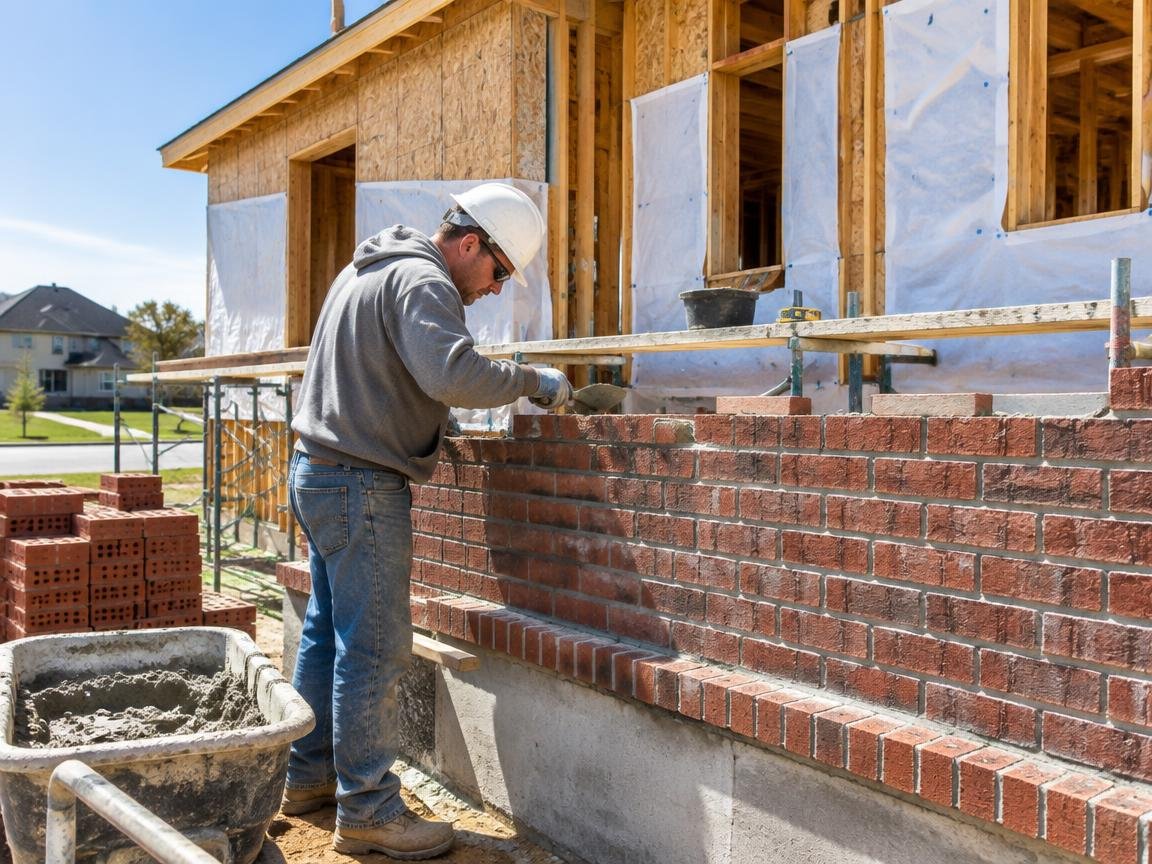
The selection of exterior building materials is only one part of the equation; successful project completion heavily relies on effective sourcing and meticulous installation. This is especially true for complex exterior assemblies that require precise integration of various components to ensure long-term performance and durability.
Material Sourcing, Structural Weight, and Moisture Control
When dealing with heavy materials like brick, stone, and fiber cement, installation challenges and cost considerations become prominent. These materials require robust structural framing and adequate foundation support due to their significant weight. For instance, full brick masonry demands a dedicated brick ledge on the foundation, adding to initial construction costs. Fiber cement, while lighter than full brick, still requires careful handling and specialized tools for cutting and installation, contributing to labor costs. The installation of these materials is typically more labor-intensive and time-consuming than lighter options like vinyl siding, often requiring skilled professionals to ensure proper application and compliance with building codes.
Effective material sourcing is also critical. Establishing relationships with reputable suppliers for your landscape and building materials can ensure access to quality products, timely deliveries, and expert advice. Regional distribution networks play a significant role here, as local climate conditions often dictate the most suitable material choices and availability.
Beyond structural considerations, moisture control is paramount for any exterior assembly. The building envelope must be designed to manage water effectively, preventing it from penetrating the wall system and causing damage like rot, mold, or structural degradation. This involves several layers of protection:
- Vapor-permeable barriers: These membranes allow moisture vapor to escape from inside the wall cavity while preventing liquid water from entering.
- Drainage planes: Essential for systems like EIFS and manufactured stone veneer, drainage planes create an air gap behind the cladding, allowing any water that penetrates the outer layer to drain safely away.
- Flashing details: Correctly installed flashing around windows, doors, and other penetrations is crucial for diverting water away from vulnerable areas.
These moisture control measures are not merely suggestions; they are best practices that contribute significantly to the longevity and performance of the entire exterior system.
Balancing Envelope Maintenance and Architectural Glazing Integration
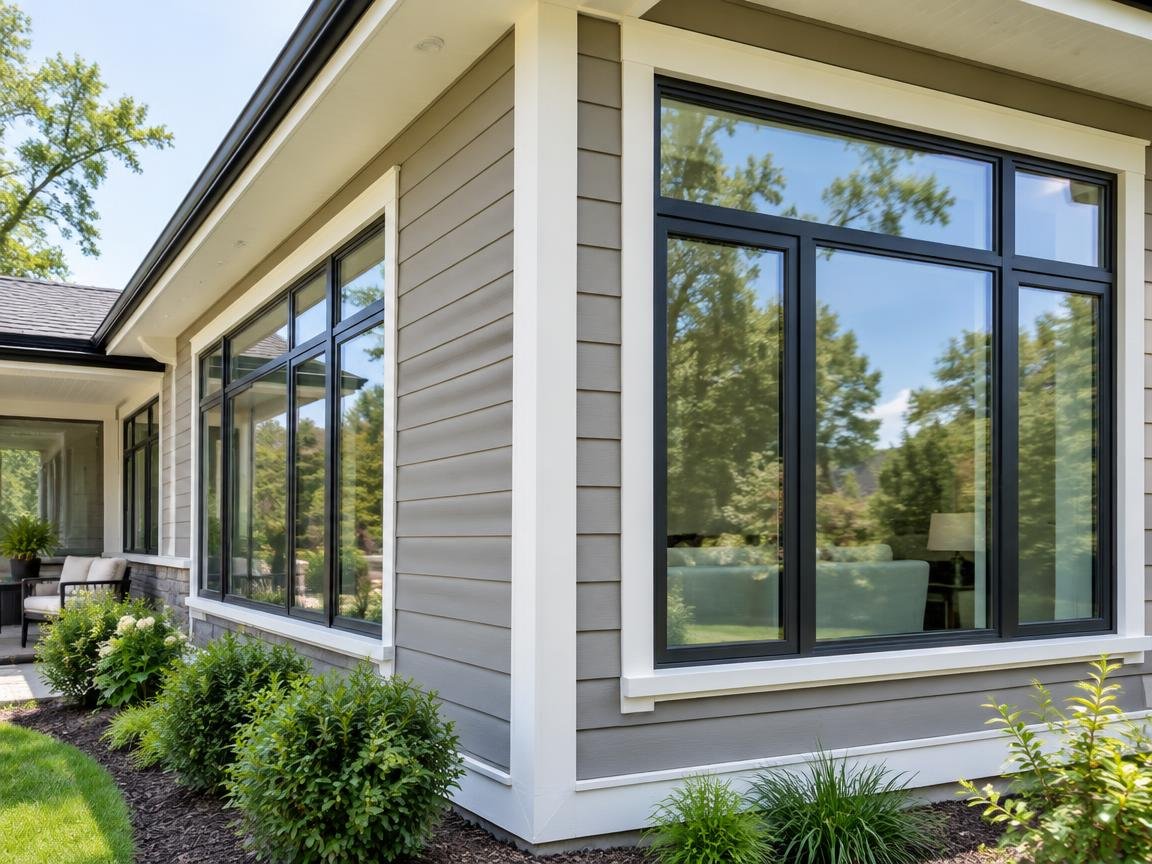
Maintaining the integrity of your home’s exterior envelope is an ongoing process that directly impacts its lifespan and performance. Each material has specific maintenance requirements that homeowners should factor into their decision-making. Natural wood, for example, needs regular cleaning, sealing, or repainting every few years to ward off moisture and pests. Brick and traditional stucco, while low-maintenance in the short term, will eventually require repointing of mortar joints to prevent water infiltration. Synthetic stucco systems, particularly EIFS, demand careful attention to sealant integrity and regular inspections to catch any potential moisture intrusion early.
Architectural glazing, primarily windows and doors, are critical components of the exterior envelope. Their proper integration with the surrounding building materials is essential for both aesthetic appeal and weatherproofing. Fenestration flashing, which involves applying waterproof membranes and sealants around window and door openings, is a non-negotiable step to prevent water leaks. The quality of installation for these elements directly impacts the overall performance of the wall system.
The long-term resilience of your home’s exterior also depends on the quality of its windows. Over time, even the best windows can experience issues like seal failure, leading to fogging, or physical damage from impacts. When these issues arise, finding reliable glass window repair services becomes important to restore both the aesthetic and functional integrity of your home’s envelope. Addressing these issues promptly helps maintain the building’s energy efficiency and prevents further damage to the surrounding wall materials.
A well-chosen and expertly installed exterior is a testament to thoughtful planning and a commitment to quality. By understanding the characteristics of various materials, prioritizing proper installation techniques, and committing to ongoing maintenance, homeowners can ensure their investment remains beautiful, protected, and efficient for many years to come.