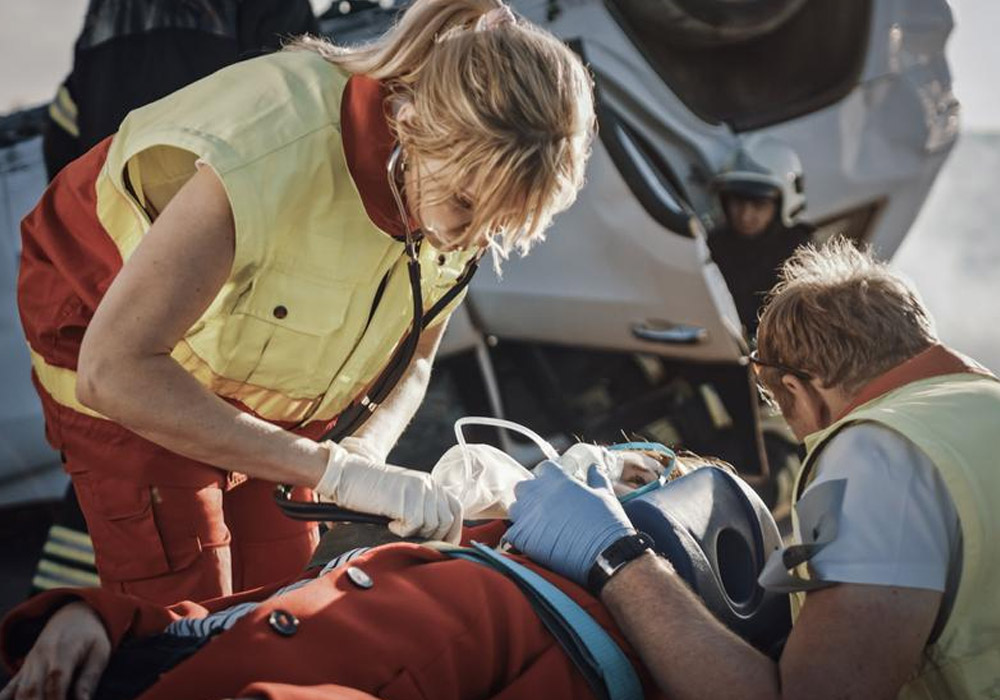
Catastrophic injuries are severe wounds that can have long-term or permanent effects on a person’s health and ability to perform everyday activities. They result from incidents such as motor vehicle accidents, medical errors, workplace casualties, and falls. If you or a loved one has sustained a catastrophic injury, understanding your legal rights helps you evaluate your options for seeking compensation, whether through an insurance claim or legal action. Here are a few common types of catastrophic injuries, their potential consequences, and when to consult a catastrophic injury lawyer:
Traumatic Brain Injuries
Traumatic brain injuries (TBIs) occur when a blow or penetrating injury damages the brain. Depending on the severity and location of the injury, symptoms include memory loss, impaired vision, speech difficulties, and problems with comprehension. Severe cases also involve skull fractures or bleeding within the skull, which require immediate medical attention.
Severe traumatic brain injuries often require ongoing medical care and long-term management. When another party’s negligence causes the injury, the injured person is able to pursue compensation for medical expenses, rehabilitation costs, lost income, and other injury-related losses. A catastrophic injury lawyer helps evaluate the circumstances of the accident and build a claim that accounts for both current and future losses. Legal representation also helps injured individuals navigate insurance negotiations and court proceedings while they focus on their recovery.
Amputations
Amputation involves the surgical or traumatic removal of a limb or part of a limb. Depending on the level of amputation, individuals often require prosthetics, physical therapy, and ongoing medical care to regain mobility and perform everyday activities. When another party’s negligence or wrongful conduct causes an amputation, the injured person may pursue compensation for medical expenses, rehabilitation, prosthetic devices, lost income, and other related losses. A catastrophic injury lawyer helps establish how the amputation occurred and whether another party bears legal responsibility. The lawyer also gathers medical records, accident reports, and other evidence to support the claim and account for the long-term costs associated with limb loss.
Disabilities and Paralysis
Severe disabilities and paralysis involve the loss or impairment of motor function or physical independence. These conditions often result from spinal cord injuries, falls, motor vehicle accidents, and workplace incidents; they affect a person’s ability to work and perform daily activities. Depending on the extent of the injury, individuals require ongoing medical treatment. They may also need assistive equipment, rehabilitation, and personal care.
When negligence causes a disabling injury or paralysis, the injured person may have grounds to seek compensation. A lawyer helps document the injury, establish liability, and gather medical and financial evidence to support the claim. Legal representation also helps make sure that the compensation sought accounts for the long-term impact of the disability; this includes future treatment and care needs.
Contact a Catastrophic Injury Lawyer
Catastrophic injuries can cause physical, emotional, and psychological damages; this affects your independence and long-term quality of life. If the injuries are due to negligence, early medical and legal intervention helps you seek compensation. The interventions include collecting evidence from the accident site, collating medical records, and building a legal case. If you have suffered catastrophic injuries due to negligence, schedule a meeting with a lawyer today.