Key Takeaways
- Calculate the addition’s cooling load before choosing or extending an HVAC system.
- Prioritize insulation, air sealing, and window shading to reduce heat gain in Phoenix’s hot climate.
- Compare ductless mini-splits with central HVAC extensions based on cost, efficiency, and existing system capacity.
- Avoid oversized equipment, which can cause inefficient operation and humidity-control problems.
- Include installation labor, electrical upgrades, permits, and inspections in the budget.
- Check eligibility for utility rebates and energy-efficiency incentives before purchasing equipment.
- Replace air filters regularly and schedule professional maintenance to support system performance.
- Hire a qualified HVAC professional to ensure proper sizing, airflow, installation, and long-term comfort.
Key Challenges for Heating and Cooling Phoenix Home Additions
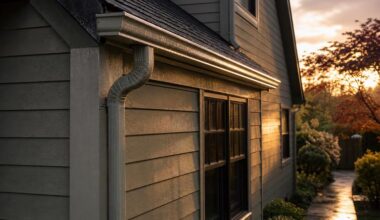
Expanding your home in Phoenix presents a unique set of environmental challenges. The Valley’s climate is defined by extreme heat, intense solar radiation, and the occasional spike in humidity during the monsoon season. When you add square footage, you aren’t just adding space; you are adding a new thermal envelope that must be managed. The design choices made during construction, including roof type, ceiling height, window placement, shading, and the materials used on exterior walls, can all influence how much heat the new room absorbs during the day. The primary difficulty lies in the fact that most existing residential HVAC systems are sized specifically for the original footprint of the house. When you extend that footprint, you increase the “cooling load,” the amount of heat that must be removed from the air to maintain a comfortable temperature. If the system is forced to work beyond its design capacity, you will likely experience “hot spots,” where the addition remains significantly warmer than the rest of the house, or excessive cycling, which wears out components prematurely. Understanding the best affordable Phoenix HVAC options is key to making an informed decision that saves money in the long run. Comfort problems can also appear at night, when a room with poor insulation or unbalanced airflow cools down more slowly than the rest of the home.
Understanding Cooling Loads in the Valley
Before selecting equipment, a professional technician will perform a “Manual J” load calculation. This is the industry-standard method for determining exactly how much heating and cooling your new space requires. Factors such as window orientation, wall insulation, and the amount of glass in your addition significantly affect heat gain. In Phoenix, where the sun beats down on roofs and walls for most of the year, proper airflow balance is critical. If your existing ducts are extended without proper calculation, you may find that the air pressure drops, resulting in weak airflow that struggles to reach the furthest corners of your new room. A thorough evaluation should also account for how the room will be used. A sun-facing home office with computers, monitors, and regular daytime occupancy can have different cooling needs than a rarely used guest room. High ceilings, vaulted ceilings, kitchens, exercise spaces, and rooms above garages may also require additional planning because they can retain or generate more heat than a standard bedroom.
Evaluating Insulation and Attic Efficiency
Your HVAC system is only as effective as the “envelope” it is cooling. If your addition is not properly insulated, your air conditioner will essentially be trying to cool the outdoors. We recommend prioritizing high-quality insulation and radiant barriers in the roof of your addition. By increasing the R-value, a measure of thermal resistance, you reduce the amount of heat transferring into the room. Air sealing around windows, doors, and electrical outlets is equally important to prevent the cool air you’ve paid for from leaking out. Thoughtful window selection can further improve comfort. Windows that receive direct afternoon sun are especially important to address in a Phoenix addition, since unshaded glass can introduce substantial heat. Exterior shade structures, properly sized overhangs, and window coverings can complement insulation by reducing solar heat before it enters the room.
Most Practical Systems for Affordable Phoenix HVAC in Home Additions
When it comes to climate control for new spaces, homeowners often face a choice between expanding their current system or installing a standalone unit. The right choice should balance upfront installation costs with expected energy use, maintenance needs, noise levels, and the amount of control you want over the new area.
Ductless Mini-Splits as an Affordable Phoenix HVAC Solution
For many Phoenix homeowners, ductless mini-split systems have become the gold standard for additions. These systems consist of an outdoor compressor connected to one or more indoor air-handling units. Because they do not require ductwork, they are highly efficient and avoid the energy losses often associated with leaky or poorly insulated ducts. Mini-splits offer independent zoning, meaning you can set the temperature for your addition without affecting the rest of the house. This is particularly useful for guest rooms or home offices that aren’t occupied 24/7. With advanced inverter technology, these systems adjust their speed based on the room’s current needs, leading to significant energy savings and quieter operation. They can also be a practical option when the addition is separated from the main home, such as a converted garage, detached casita, or backyard workspace, where extending ducts would be disruptive or impractical.
Extending Central Systems vs. Installing Dedicated Units
Deciding whether to extend your existing central system or install a dedicated unit depends on the size of the addition and the capacity of your current equipment. The age and condition of the existing system also matter: investing heavily in duct modifications may not make sense if the central equipment is already nearing the end of its service life.
- Extending Central Systems: If your current unit has “excess tonnage,” it might be possible to extend the ductwork. However, this is rarely as simple as adding a vent. It often requires re-balancing the entire home’s airflow and potentially upgrading the blower motor to handle the increased static pressure.
- Installing Dedicated Units: In many cases, adding a dedicated unit, like a mini-split or a small packaged terminal air conditioner, is more cost-effective. It avoids the need for major ductwork renovations and ensures that the new space has its own dedicated thermostat and control.
Cost Breakdown and Budget Factors for Addition HVAC
Budgeting for an addition involves more than just the price of the unit. You must account for labor, potential electrical panel upgrades, and the installation’s complexity. Duct routing, roof or wall penetrations, placement of the outdoor equipment, and accessibility of the work area can all affect the final scope of the project.
- Equipment Sizing: Larger units cost more, but buying a unit that is too large for the space (oversizing) is a common mistake that leads to poor humidity control and frequent repairs.
- Electrical Upgrades: Depending on the system you choose, you may need a dedicated circuit installed by an electrician to handle the power requirements.
- Permits and Inspections: Always ensure your project complies with local Phoenix building codes. Professional installation includes the necessary permits, which protect your investment and ensure safety.
Finding Affordable Phoenix HVAC Options Through Rebates and Incentives
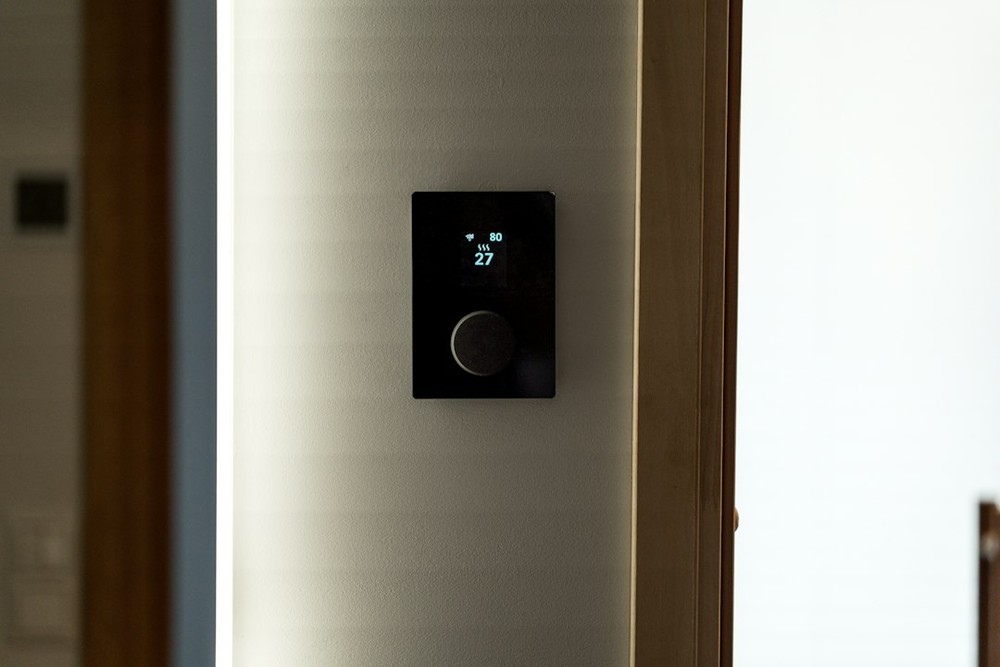
To keep your project affordable, look for utility-sponsored rebates and federal tax credits. Many energy providers in the Phoenix area offer incentives for installing high-efficiency equipment. Additionally, upgrading to a smart thermostat can provide long-term savings by learning your schedule and optimizing cooling cycles when you are away. Before making a purchase, confirm the equipment efficiency requirements, application process, and timing requirements for any available incentive, as programs may have specific eligibility rules.
Long-Term Operational Savings and Maintenance
Once your system is installed, maintenance is the most important factor in ensuring its longevity. In the dusty Phoenix environment, air filters should be checked monthly and replaced as needed to prevent debris from clogging the coils.
Routine Maintenance Checklist:
- Monthly: Inspect and replace air filters.
- Bi-Annually: Schedule a professional tune-up to clean the condenser coils and check refrigerant levels.
- Annually: Clear vegetation away from the outdoor unit to ensure proper airflow.
- Ongoing: Keep an eye on your energy bills; a sudden spike often indicates the system is working harder than it should, signaling a need for service.
Frequently Asked Questions About Home Addition HVAC
Can an existing Phoenix AC unit handle a room addition?
Most existing units are sized for the original square footage. Adding a significant amount of space without a formal load calculation risks placing excessive strain on the compressor, which can lead to system failure. Always consult a professional to determine whether your current system can handle the extra load. Even when capacity appears to be available, the duct system must still be evaluated to ensure it can deliver adequate airflow to the addition without reducing comfort elsewhere in the house.
How much does it cost to add HVAC to a home addition in Phoenix?
Costs vary based on the type of system, the complexity of the installation, and the size of the room. While central system extensions involve ductwork labor, ductless units have their own unique installation requirements. It is best to get a customized estimate based on your specific layout. When comparing estimates, consider more than the equipment price; ask what is included for electrical work, controls, permits, drainage, duct modifications, and startup testing.
What is the most energy-efficient HVAC option for a Phoenix addition?
Ductless mini-splits are generally considered the most efficient option for additions because they eliminate duct energy loss and provide precise, zone-controlled cooling. Variable-speed compressors further enhance efficiency by adjusting output to match real-time cooling demands. However, the most efficient real-world results still depend on proper sizing, proper installation, a well-insulated addition, and regular maintenance.
Conclusion
Creating a comfortable home addition in Phoenix requires careful planning and a focus on climate-specific solutions. By prioritizing proper insulation, selecting the right system, whether it’s a high-efficiency ductless unit or a well-calculated central extension, and keeping up with routine maintenance, you can ensure your new space remains a sanctuary from the desert heat. Investing in professional installation not only ensures your system is sized and configured correctly but also provides peace of mind that your home will remain energy-efficient for years to come.