Key Takeaways
- Small cracks, low spots, and loose pavement edges can become larger problems when water and traffic reach the pavement base.
- Seasonal inspections help Clark property teams identify repairs before they interfere with access, parking, or safety.
- Drainage, visible markings, lighting, and pedestrian routes should be reviewed alongside the asphalt surface.
- Documented maintenance makes it easier to prioritize repairs and separate routine work from larger capital projects.
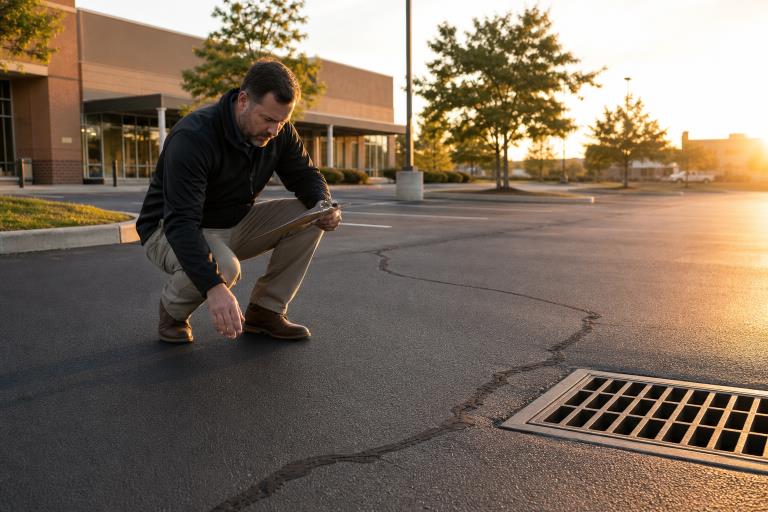
Commercial parking areas in Clark, New Jersey, work hard year-round. They handle employee vehicles, customer traffic, delivery trucks, rain, summer heat, winter plowing, and frequent stops and turns near entrances. Property managers comparing Clark, NJ, commercial asphalt companies can make better decisions when they first understand which conditions need immediate attention and which can be planned as part of a longer maintenance schedule. A practical asphalt plan is not simply a list of paving projects. It is a repeatable process for checking pavement, directing water away from vulnerable areas, maintaining clear travel paths, and recording what happens over time. For retail centers, offices, medical facilities, warehouses, and multifamily properties, that approach can reduce surprises during busy seasons.
Why Commercial Asphalt Maintenance Matters
Asphalt is a working surface, not a set-it-and-forget-it feature. Vehicle loads, sunlight, water, de-icing activity, and changing temperatures all affect its condition. Cracks matter because they can create pathways for water to reach layers beneath the surface, where weakening may lead to potholes, settlement, or breakup. The planned pavement preservation approach promoted by the Federal Highway Administration emphasizes timely work while the pavement is still in satisfactory condition. For a commercial site, that means addressing warning signs before they become disruptive failures.
Spring Inspection Checklist
After winter, walk the entire site rather than inspecting only the customer-facing parking stalls. Include entrances, drive aisles, loading areas, fire lanes, dumpster pads, sidewalks, and accessible routes. Note potholes, open cracks, ruts, crumbling edges, depressions, and pavement that has separated near utility covers or curbs.
- Check whether plowing affected curbs, wheel stops, signs, drainage grates, or painted lines.
- Clear debris from catch basins and inspect low points for leftover sediment.
- Photograph each concern and record its location, approximate size, and date observed.
- Classify issues as urgent, planned, or monitor so that immediate hazards are not mixed with cosmetic wear.
Spring inspections are especially useful because they turn scattered observations into a repair priority list. A loose edge beside a delivery lane may need earlier attention than a small hairline crack in a lightly used overflow area.
Summer Care and Surface Protection
Dry, warmer conditions can provide a useful window for crack sealing, localized repairs, and surface treatments when they are appropriate for the pavement’s condition. Cracks should be clean and dry before sealing, so the material can bond properly. If the base remains stable and the surface is generally sound, surface protection may help preserve the pavement. It is not a substitute for correcting structural failure or drainage problems. Schedule work around tenant, customer, and delivery needs. Use clear barricades, temporary traffic direction, and visible notices during active repairs. After work is complete, inspect parking lines, arrows, loading zones, and fire lanes so drivers can understand the site layout without hesitation.
Fall Preparation Before Cold Weather
Fall is the time to prepare a Clark property for wet weather, leaves, and snow operations. Seal sound cracks before repeated freezing conditions can widen them. Remove leaves and sediment from drainage inlets, inspect slopes near entrances, and confirm that planned snow-storage areas will not block drains, crossings, or accessible spaces. The EPA’s recommendations for maintaining runoff areas near roads and parking lots also reinforce the value of routine inspection and debris removal. Shorter daylight hours make faded pavement markings and poorly lit crossings more noticeable. Refresh worn markings and check that lights, signs, and reflective devices remain visible.
Winter Risks to Watch
Water that enters an open crack can freeze and expand, widening the crack with repeated freeze-thaw cycles. Plowing can also damage vulnerable edges, curbs, wheel stops, and pavement that is already loose. Keep snow piles away from drainage paths, accessible parking spaces, ramps, and pedestrian crossings. After storms, log locations that consistently ice over or collect meltwater. Those repeat locations often indicate a drainage, grading, or surface condition issue worth investigating after winter.
Drainage and Standing Water
Standing water is more than a visual nuisance. It can create slippery conditions, interfere with access, and keep pavement exposed to moisture longer than intended. Common causes include blocked inlets, settlement, poor slopes, clogged outlets, and debris carried into drains. Check the site after a substantial rain, not only during dry-weather walkthroughs. Adding asphalt to a low spot may temporarily improve the appearance, but it may not correct the water route. Before making that decision, determine where the runoff should go and whether nearby drains, grades, or outlets are functioning as intended.
Line Markings, Lighting, and Site Safety
Safe parking areas depend on more than smooth pavement. Inspect stall lines, directional arrows, stop bars, loading zones, fire lanes, and accessible-space markings for clarity. Review lighting around building entrances, corners, crossings, and sidewalks. Remove trip hazards near curbs, ramps, utility covers, and broken pavement edges, and keep signs free of snow, dirt, and overgrown vegetation.
When to Patch, Resurface, or Rebuild
Use Local Repairs When
- Damage is limited to a defined area, and the surrounding pavement remains stable.
- A pothole, failed patch, or isolated edge break can be removed and repaired without broader base failure.
- There is no continuing settlement or unresolved drainage issue beneath the area.
Consider Resurfacing When
- Surface wear or cracking is widespread, but the base appears stable.
- The property needs a more consistent driving surface and refreshed markings.
- Drainage details and elevations can be preserved or improved as part of the work.
Consider Reconstruction When
- Large sections are sinking, breaking apart, or repeatedly holding water.
- Multiple repairs have failed in the same locations.
- Heavy traffic has outgrown the pavement’s original design.
How to Build a Simple Maintenance Plan
- Create a site map showing drains, entrances, loading areas, pedestrian routes, and known problem locations.
- Schedule inspections in spring, summer, and fall, plus additional checks after major storms or construction activity.
- Maintain a repair log with photographs, dates, weather conditions, work performed, and follow-up notes.
- Set separate budgets for recurring maintenance and major improvements such as resurfacing or drainage correction.
- Review recurring issues annually to identify patterns before setting the next year’s priorities.
Common Questions
How Often Should a Commercial Parking Area Be Inspected?
Formal inspections at least twice a year are a practical baseline, with added checks after severe weather, snow events, or nearby construction.
What Is an Early Sign of Pavement Trouble?
Fine cracks, small depressions, loose edges, faded markings, and water that remains after nearby pavement has dried are all useful warning signs.
Why Check Drainage Before Paving Work?
New asphalt can cover a visible symptom without changing the path of water. Finding the underlying drainage issue first can help prevent repeat damage.
Final Thoughts
A commercial asphalt maintenance plan for Clark, NJ, need not be complicated to be useful. Seasonal inspections, clean drainage paths, visible site markings, clear maintenance priorities, and accurate records can provide property managers and facility teams with a practical way to monitor pavement conditions and address emerging concerns. Routine inspections can help identify cracks, potholes, surface wear, standing water, faded markings, and other changes before they interfere with normal property use. Keeping drainage areas clear can also help prevent water from remaining on or around the pavement for extended periods. Maintenance records can make it easier to track completed repairs, recurring problem areas, inspection dates, and upcoming needs. Property teams can then prioritize work based on safety, traffic patterns, pavement condition, and available budgets rather than waiting until a problem becomes an urgent disruption. Consistent attention to small warning signs is often the best way to avoid larger disruptions later and keep commercial parking areas, driveways, loading zones, and access routes usable.