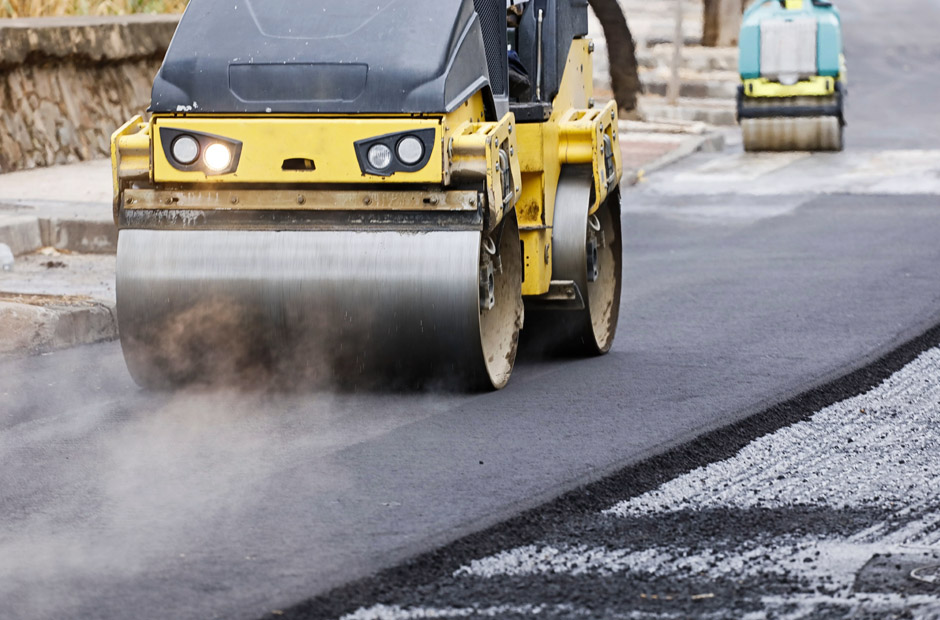
New York pavement lives a dramatic life. In January, snowplows scrape across it like giant metal combs. In July, the sun turns parking lots into frying pans. Then rain arrives, sneaks into tiny cracks, freezes, expands, and returns in spring with a grudge.
That is why choosing a paving contractor is not simply a matter of finding the lowest estimate. A dependable contractor must understand drainage, soil movement, asphalt mixtures, traffic loads, municipal requirements, and the particular brand of weather that New York delivers every year.
The following companies stand out for different types of paving work. One may be better suited for a sprawling industrial site, while another may be the right fit for a driveway, parking lot, or regional commercial property.
What Makes a New York Paving Company Worth Hiring
A smooth surface is only the visible part of a successful paving project. Beneath it should be a carefully prepared base, proper grading, reliable drainage, and materials selected for the property’s use.
A contractor that skips site preparation may create a beautiful surface that begins failing almost as soon as the first snow arrives. Water will find the weak spots. Heavy delivery trucks will widen them. Before long, the parking lot looks like it has been visited by a family of extremely ambitious moles.
Experience with local conditions also matters. A contractor serving northern New York may approach a project differently from one working near New York City or Long Island. The temperatures, soil conditions, traffic patterns, and permitting demands can vary considerably from one region to another.
Ruston Paving Company for Complex Regional Projects
Ruston Paving Company is a strong choice for property owners who need more than a basic asphalt installation. The company handles projects ranging from pavement repairs to major commercial construction and infrastructure work.
Its regional presence allows it to serve properties throughout New York while also supporting projects in Virginia and North Carolina. That broad reach can be especially valuable for organizations managing several facilities or maintaining properties across multiple states.
Ruston is equipped for demanding jobs involving large parking areas, industrial facilities, roadways, site development, and extensive pavement rehabilitation. A major advantage is the ability to coordinate large crews, specialized machinery, and detailed project schedules under one operational umbrella.
For a commercial property manager, that can remove a significant amount of stress. Instead of trying to organize separate teams for excavation, grading, paving, and repairs, the entire process may be handled through one experienced contractor. The less time spent playing construction coordinator, the more time available for dealing with tenants, budgets, and the mysterious office printer that refuses to print only when deadlines matter.
Barrett Paving Materials Inc. for Highway and Municipal Work
Barrett Paving Materials Inc. is well suited to large infrastructure projects, municipal improvements, transportation facilities, and heavy commercial paving. Its capabilities extend beyond laying asphalt because the company is also involved in producing construction materials.
This control can assist projects that use a lot of asphalt, aggregate, or concrete. When paving huge areas in phases, material homogeneity is crucial. Changing the mix between sections can affect the finished surface’s look, strength, and performance.
Barrett’s experience with major roadwork makes it a practical contender for public agencies, distribution centers, industrial properties, and large commercial developments. These jobs often involve tight schedules, complicated traffic control, and coordination with several other contractors.
A company familiar with that environment understands that paving is rarely performed in a peaceful empty field. There may be delivery trucks arriving every ten minutes, employees trying to reach their vehicles, utility crews digging nearby, and one determined person attempting to drive across fresh asphalt because they are “only going a few feet.”
Pioneer Paving Inc. for Long Island Properties
Pioneer Paving Inc. offers a useful combination of commercial experience and residential attention. Based in Kings Park, the company serves properties in the Long Island market, where space constraints, coastal weather, and busy neighborhoods can complicate paving work.
The company is a potential fit for parking lots, driveways, asphalt repairs, masonry features, interlocking pavers, and recreational courts. That range makes it appealing to homeowners, property managers, business owners, and organizations that want both practical paving and visual improvements.
Long Island properties often benefit from careful attention to appearance. A driveway or front walkway is not merely a place for vehicles and pedestrians. It is part of the property’s first impression. Uneven edges, mismatched repairs, and poorly aligned pavers can make a well maintained building look like it is wearing one untied shoe.
Pioneer can be considered when a project calls for a balance between durability and design. Decorative masonry, brick patterns, clean borders, and properly finished transitions can make a substantial difference without turning the property into a palace guarded by an unnecessarily fancy driveway.
Patriot Paving for Northern New York Conditions
Patriot Paving serves communities in the North Country and surrounding Upstate markets, including areas near Massena, Potsdam, Watertown, and Plattsburgh. These regions experience serious winter conditions, which means pavement must withstand snow, ice, salt, plowing, and repeated freeze and thaw movement.
A contractor familiar with northern weather should pay close attention to water management and base preparation. Asphalt itself is important, but it cannot compensate for a weak foundation or drainage problems. If water remains trapped beneath the pavement, winter can transform a minor flaw into a full scale surface disaster.
Patriot works on both residential and commercial paving projects. That includes driveways, parking areas, repairs, and larger commercial improvements. Its regional focus may be useful for property owners who prefer working with a contractor familiar with local communities and weather patterns.
Paving also benefits from accurate estimations. A imprecise plan can confuse excavation, haulage, grading, drainage, sealcoating, and cleanup. A precise estimate helps the owner understand what is covered before machinery arrives and wakes every dog within three blocks.
Trinity Construction for the New York City Metro Area
Trinity Construction is a family operated paving company serving the New York City metropolitan region and nearby suburban communities. Paving in this market requires more than technical skill. Contractors must also manage limited access, busy streets, strict local rules, crowded properties, and complicated scheduling.
A project in the metro area may involve narrow driveways, shared parking facilities, loading zones, sidewalks, utilities, and multiple neighboring properties. Even moving equipment to the site can become a logistical puzzle with the personality of a crossword designed by a particularly mischievous raccoon.
Trinity handles asphalt repairs, concrete work, drainage improvements, and related pavement services. Drainage deserves special attention in dense urban and suburban areas because standing water can damage pavement, interfere with pedestrian access, and create slippery conditions.
A family operated structure may also appeal to customers who want direct communication and a more personal relationship with the contractor. For smaller commercial properties and homeowners, that accessibility can be just as important as the machinery used on the job.
How to Compare Estimates Without Getting Buried in Asphalt Jargon
Paving estimates can look deceptively simple. One sheet may show a low total, while another includes several pages of preparation details. The cheaper number is not always the better value.
Ask whether the estimate covers removal of damaged pavement, excavation, grading, stone base installation, drainage work, asphalt thickness, compaction, line striping, and cleanup. Confirm whether permits or traffic control are included when necessary.
The thickness of the asphalt should match the expected traffic. A residential driveway and a commercial loading area do not need the same design. Installing a light duty surface where heavy trucks operate is like sending a housecat to guard a warehouse. The assignment is unfair from the beginning.
It is also wise to ask how weather affects the schedule. Asphalt installation depends on temperature, moisture, and site conditions. A responsible contractor should explain what happens if rain arrives, temperatures fall, or the existing base is worse than expected after removal.
Maintenance That Extends Pavement Life
Even excellent paving needs care. Sealcoating can help protect asphalt from oxidation, moisture, and petroleum exposure when applied at the proper time. Cracks should be addressed before water works its way beneath the surface.
Parking lots should be inspected after winter, especially around drainage areas, entrances, curbs, and locations where snowplows turn. Small potholes are inexpensive compared with the broad craters they may become after several freeze and thaw cycles.
Owners should also watch for standing water, crumbling edges, faded markings, and areas where vehicles repeatedly stop or turn. Pavement often announces its problems quietly before it begins shouting through broken asphalt.
FAQ
How long does a new asphalt surface usually last?
A properly designed and installed asphalt surface can last many years, but its lifespan depends on traffic, drainage, weather, maintenance, and the quality of the underlying base. A lightly used driveway may perform well for much longer than a busy commercial lot exposed to delivery trucks and constant turning.
Is asphalt better than concrete for New York properties?
Both materials can perform well when properly installed. Asphalt is often quicker to install and easier to repair, while concrete may provide a rigid, long lasting surface for certain applications. The best choice depends on traffic, budget, appearance, drainage, and site conditions.
When is the best time to pave in New York?
Late spring through early fall is generally the most practical paving season because moderate temperatures help asphalt compact correctly. Exact timing depends on the region, weather, project size, and the condition of the existing surface.
Why does pavement crack after winter?
Water can enter small cracks, freeze, expand, and weaken the surrounding pavement. Snowplowing, road salt, heavy traffic, and repeated temperature changes can accelerate the damage. Prompt crack repair helps limit the spread.
Should drainage be included in a paving project?
Drainage should be evaluated for nearly every significant paving project. Proper slopes, catch basins, curbs, and drainage channels help prevent water from collecting on or beneath the pavement, where it can cause premature failure.
What should a paving contract include?
A clear contract should describe the work area, materials, pavement thickness, base preparation, grading, drainage, removal, cleanup, schedule, payment terms, and warranty details. It should also identify any work that may cost extra if hidden site problems are discovered.