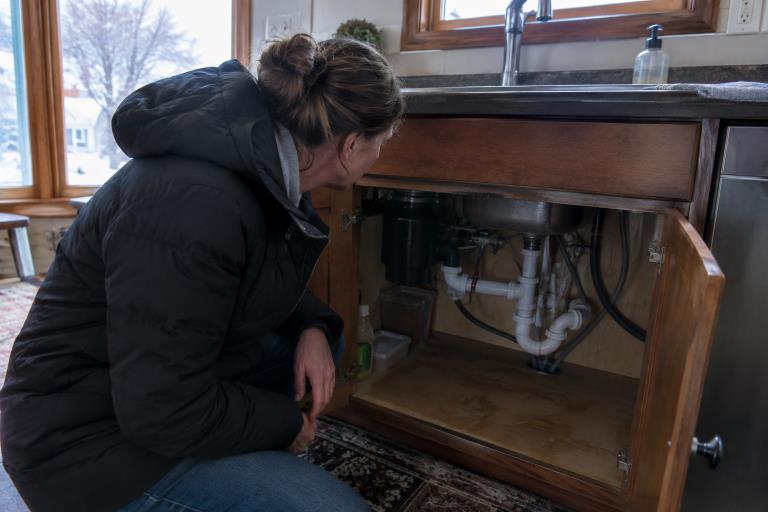
Minnesota winters can put household plumbing under pressure long before a homeowner notices a problem. A cold night, a brief warmup, and another hard freeze can affect supply lines, outdoor faucets, drains, and water-heater connections. For help with recurring cold-weather plumbing concerns in the Twin Cities area, homeowners can turn to twincitiespremierplumbing.com while taking practical steps to reduce the risk of water damage.
The goal is not simply to get through one cold snap. A solid prevention plan helps protect the areas that repeatedly face cold air, drafts, and shifting temperatures throughout a Minnesota winter. Knowing where pipes run, where the main shutoff is located, and what warning signs to watch for can make a major difference when temperatures fall.
Why Freeze-Thaw Cycles Matter
Water expands as it freezes. When that happens inside a pipe, the pressure can damage the pipe itself or strain nearby fittings, valves, and joints. A line may appear fine during the coldest stretch, then reveal a crack as ice melts and normal water pressure returns. This is why damp drywall, ceiling stains, or a puddle can appear during a thaw rather than overnight.
Older Minnesota homes may be especially vulnerable where plumbing runs through poorly insulated exterior walls, additions, crawl spaces, rim-joist areas, or cabinets near drafty windows. Repeated freezing and thawing can expose weak points that were not obvious during milder weather.
Where Home Plumbing Is Most Vulnerable
Start with a room-by-room inspection. Look for water lines near exterior walls, unheated garages, basements, crawl spaces, attics, and foundation openings. Pay close attention to kitchen and bathroom sink cabinets, especially if they sit against an outside wall. Pipes that pass through a remodeled room or an addition may also have less protection than the rest of the home.
Outdoor hose bibs, sprinkler connections, irrigation lines, and pipes near garage walls deserve the same attention. Water-heater supply lines should remain dry and accessible, and the surrounding area should not be used for storage that blocks inspection or airflow.
A Pre-Winter Plumbing Checklist
- Find the main water shutoff valve and make sure everyone in the household knows where it is.
- Test the valve carefully to confirm it moves freely. If it will not operate, arrange service before an emergency occurs.
- Inspect exposed pipes for corrosion, moisture, cracks, loose insulation, or old repairs.
- Seal obvious drafts around plumbing penetrations, vents, windows, doors, and foundation gaps.
- Keep basement and crawl-space areas dry, and correct leaks before the deep cold arrives.
- Disconnect, drain, and store garden hoses. Close interior valves serving outdoor faucets when available.
- Schedule needed plumbing repairs before severe weather makes them more urgent.
Homeowners can also follow guidance for preventing and safely thawing frozen pipes when preparing a home for winter conditions.
How to Protect Pipes During Cold Snaps
Keep Indoor Temperatures Steady
Maintain reliable heat throughout the home, including when leaving for a winter trip. Before a major cold snap, check that the thermostat works, heating vents are open, and the furnace is operating normally. Avoid turning the heat off to save energy when exterior temperatures are dangerously low.
Improve Warm-Air Circulation
Open cabinet doors below sinks on exterior walls so indoor air can reach supply lines. Keep garage doors closed if plumbing passes through the garage, and move boxes or furniture away from heating vents. Foam pipe insulation can help protect exposed lines, but it works best alongside draft sealing and adequate heat.
Use a Drip Carefully
During severe cold, a small flow of water may help protect a known vulnerable supply line. It is not a replacement for insulation, repairs, or heat. Only use this approach when the drain is clear, and the fixture can be monitored.
Outdoor Faucets, Hoses, and Irrigation Lines
Remove and drain hoses before freezing weather, then close the indoor shutoff for each outdoor faucet if the home has one. Open the outside faucet briefly after shutting off the interior valve to release remaining water. A frost-free faucet still needs to drain properly, so leaving a hose attached can create a freeze risk.
Irrigation systems should be winterized according to the system manufacturer’s instructions or by a qualified provider. In spring, turn outdoor water back on slowly and inspect faucets, wall areas, and connections for leaks.
Warning Signs of Freeze Damage
Act quickly if one faucet produces little or no water, pressure drops unexpectedly, or you hear unusual banging, cracking, or whistling near plumbing. Other signs include frost on a visible pipe, a swollen or split section, wet drywall, musty odors, ceiling stains, or water near an exterior wall or basement ceiling. Hidden leaks may become apparent only after temperatures rise.
What to Do After a Pipe Freezes
- Open the affected faucet slightly to relieve pressure and allow water to flow as thawing begins.
- Locate the main shutoff valve immediately. Turn off the water if a pipe is split or actively leaking.
- Move electronics, furniture, and stored belongings away from the area.
- Use gentle heat only if the frozen section is visible and easy to reach, such as a hair dryer or heating pad.
- Never use a torch, open flame, or improvised combustion heater on plumbing.
- Check other fixtures because multiple pipes can freeze during the same event.
When to Call a Professional
Professional help is appropriate when the shutoff valve will not close, the frozen area is hidden, several fixtures lose water, or a burst pipe is inside a wall, ceiling, or floor. Call promptly if water damage is spreading, electrical equipment may be affected, mold is present, or the home has the same freezing problem each winter.
A Simple Seasonal Maintenance Plan
Early Fall
Inspect exposed pipes, test the main shutoff, disconnect hoses, and arrange irrigation winterization.
Early Winter and Extreme Cold
Check the heating system, seal drafts, keep vulnerable cabinets open during severe cold, and inspect utility spaces for weak water flow or moisture. Minnesota homeowners can use winter home safety recommendations for keeping a house warm as part of their seasonal preparation.
Early Spring
Inspect outdoor faucets and exterior walls after the first major thaw. Repair small leaks quickly before repeated moisture leads to larger damage.
Frequently Asked Questions
What temperature can cause pipes to freeze?
Risk depends on pipe location, insulation, air movement, and how long the pipe is exposed to cold. A poorly insulated line near an exterior wall can freeze even when the rest of the home feels comfortable.
Should every faucet drip during a cold snap?
No. Dripping is most useful for fixtures served by a known vulnerable pipe. It should support, not replace, consistent heat, insulation, and needed repairs.
Can a frozen pipe thaw without bursting?
Yes, but homeowners should still watch the area carefully. A crack that formed during freezing may leak once the ice melts and water pressure returns.
What should homeowners do before a winter trip?
Keep the heat on, confirm the main shutoff location, check exposed pipes, and ask a trusted person to inspect the home during prolonged cold if possible.
Protect Your Minnesota Home Before the Next Freeze
A short inspection and a few seasonal habits can help prevent a plumbing emergency. Protect exposed pipes, disconnect outdoor hoses, keep indoor temperatures steady, and respond quickly to weak water flow or unexplained moisture. Preparation before the next Minnesota cold snap is far easier than managing water damage after a pipe fails.